Why Mold Grows in Air Ducts
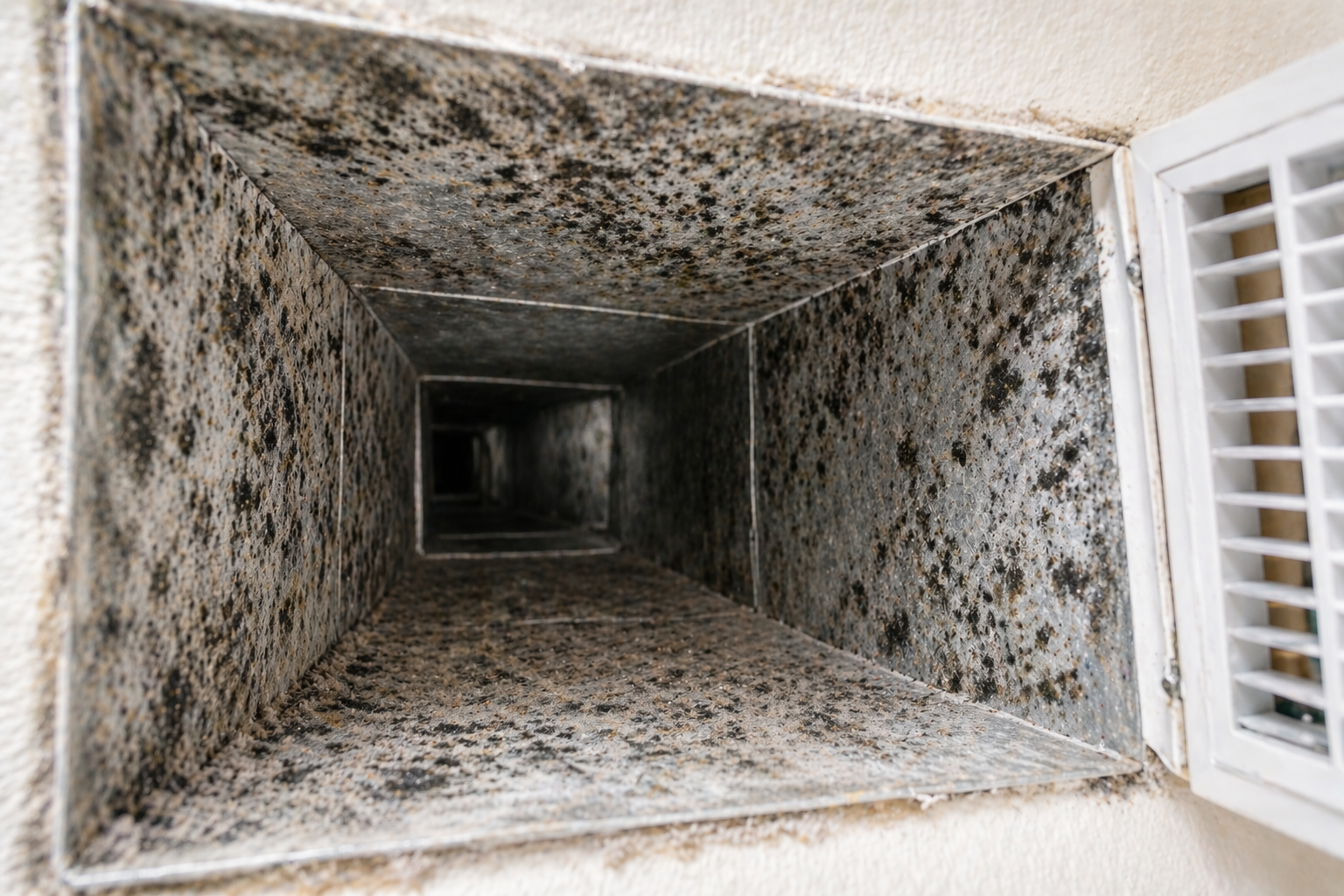
Mold in air ducts is a common problem in many homes. It happens when mold spores land inside your duct system and begin mold growth. These microscopic spores are always in the air, but they grow fast when there is excess moisture and poor ventilation.
If you notice a musty smell or musty odors coming from your air vents, this could mean mold in your HVAC system. Mold in air ducts can spread through your indoor air and affect your home environment.
If you think you may have a mold problem, it is important to act quickly. You can learn more about safe and effective solutions through professional services like mold removal Orange County to protect your home’s indoor air quality.
Why Mold Grows in Air Ducts
Excess Moisture and Humidity Levels
Mold needs moisture to grow. High humidity levels, water leaks, or excessive humidity can create the perfect breeding ground inside ducts. When moisture builds up, early mold growth can begin quickly.
HVAC System Conditions
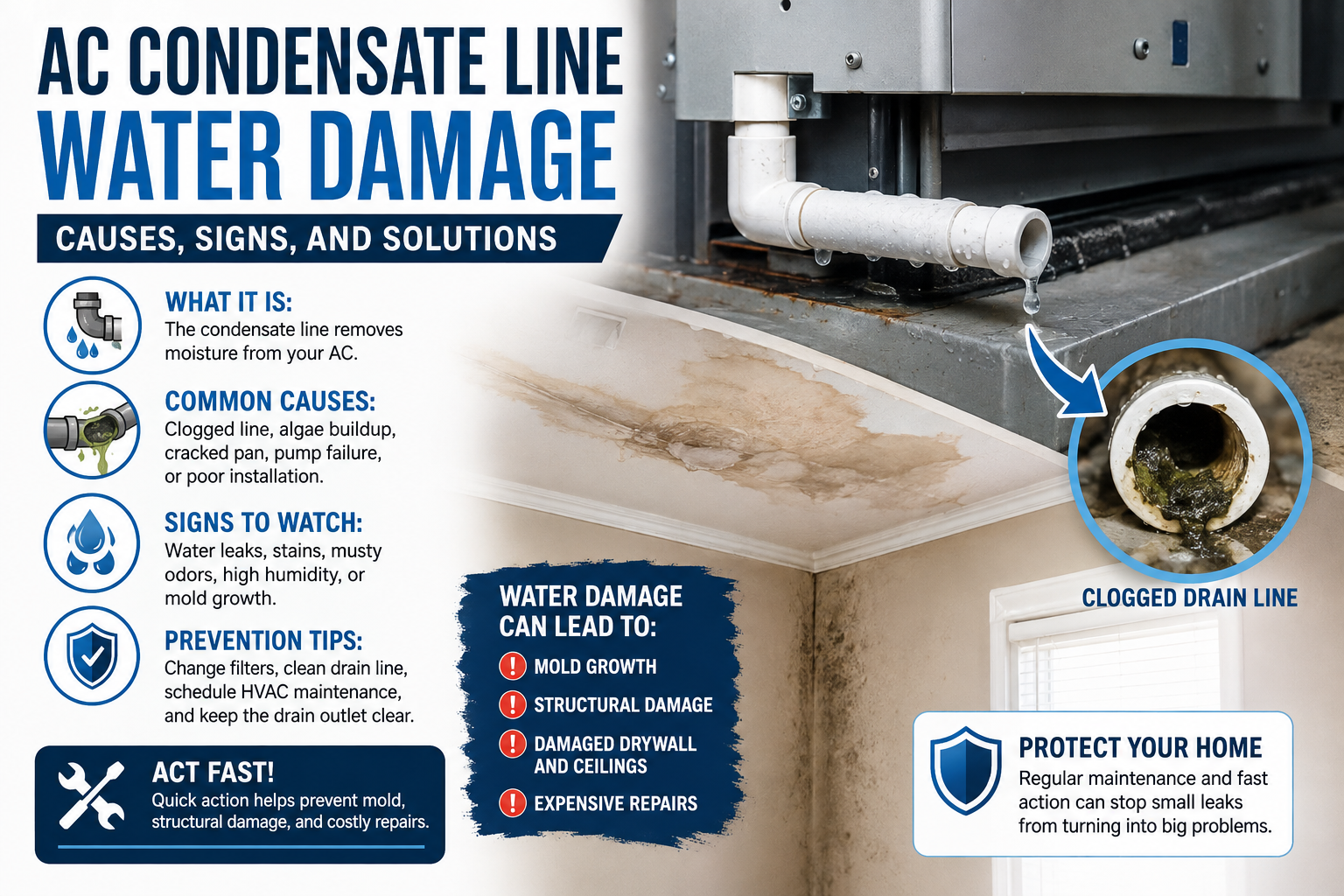
Your HVAC unit includes many parts like cooling coils, drip pans, and condensate pans. If these parts do not drain properly, water can collect. This leads to hvac mold inside ducts and other system components.
Poor Ventilation and Airflow
Poor ventilation and clogged filters can trap moisture and reduce adequate airflow. This makes it easier for mold spores to settle and grow inside ducts.
Dirty Air Filters and Duct Work
A dirty air filter or clogged filters can allow airborne spores to build up. Without regular cleaning, your duct work becomes a place where mold can grow.
Signs of Mold in Air Ducts
Musty Smell or Earthy Odor
A strong musty smell or earthy smell when your air conditioning or heating system runs is a key sign. This often means mold in air.
Visible Mold Growth
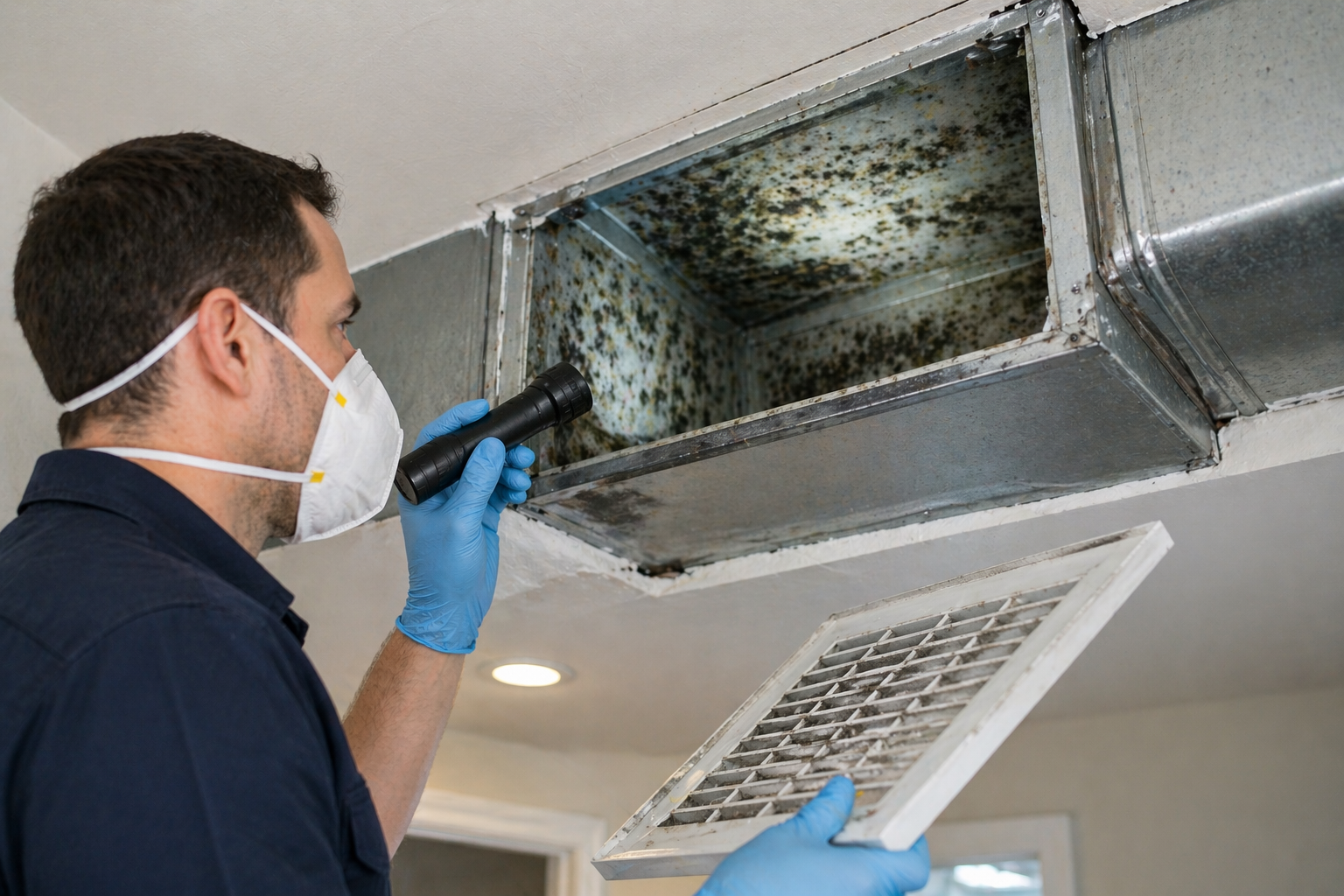
You may see visible mold or dark spots around air vents or inside ducts. Visible mold growth is a clear warning that mold is present.
Poor Indoor Air Quality
If your home’s indoor air quality drops, you may notice more dust, allergies, or breathing issues. Mold spores in indoor air can make this worse.
Health Issues and Respiratory Problems
Mold exposure can cause health issues like coughing, sneezing, or respiratory problems. Family members may feel sick more often.
Increased Humidity and Moisture
High humidity levels and moisture in your living space can also point to a mold problem in your HVAC system.
Is Mold in Air Ducts Dangerous?
Effects on Indoor Air Quality
Mold in air ducts can spread airborne spores throughout your entire system. This lowers indoor air quality and spreads indoor mold.
Health Risks
Mold exposure can lead to health issues, especially for people with allergies or asthma. Long-term exposure may cause more harm.
Impact on System Efficiency
Mold buildup can reduce system efficiency. Your heating system and cooling system may have to work harder, costing you more money.
How Mold Spreads Through Your HVAC System
Air Circulation
When your HVAC system runs, it moves air through the duct system. This spreads mold spores into your living space.
Air Handler and Components
The air handler and other HVAC components can carry mold spores across the entire system. This can affect all rooms in your home.
Contaminated Air Vents
Air vents push contaminated indoor air into your home environment. This is how mold spreads quickly.
How to Check for Mold in Air Ducts
Look for Visible Mold
Check inside ducts and around air vents for visible mold or dark spots.
Smell the Air
Turn on your HVAC unit and smell the air. A musty smell may mean mold is present.
Professional Inspection
A professional inspection by an HVAC professional is the best way to discover mold. They may use an accredited lab to test samples.
Can You Clean Mold in Air Ducts Yourself?
Surface Cleaning Limits
You can try surface cleaning on hard surfaces near vents. However, this will not remove mold deep inside ducts.
Risk of Spreading Spores
DIY cleaning can avoid spreading spores if done carefully, but it can also make the problem worse if not handled right.
When to Call a Professional
If mold is inside ducts or across the entire system, you need professional remediation. A trained hvac professional can safely remove mold.
Professional Mold Removal Process
Inspection and Testing
Experts begin with a professional inspection. They may test mold using an accredited lab to confirm the type.
Proper Cleaning Methods
They use proper cleaning tools to clean hard surfaces and HVAC components. This includes cleaning duct work and system components.
Removing Contaminated Materials
Porous materials that cannot be effectively cleaned may need to be removed.
Preventing Future Growth
Experts also help control moisture and prevent mold growth in the future.
How to Prevent Mold in Air Ducts
Control Moisture Levels
Keep humidity levels low to prevent mold growth. Use dehumidifiers if needed.
Regular HVAC Maintenance
Routine HVAC maintenance helps catch early signs of mold. This includes checking cooling coils, drip pans, and condensate pans.
Replace Air Filters
Change your air filter often to stop clogged filters and improve indoor air quality.
Fix Water Leaks
Repair water leaks quickly to stop moisture buildup.
Improve Ventilation
Good airflow and proper ventilation help prevent mold in your HVAC system.
Schedule Duct Cleaning
Regular cleaning of your duct system helps remove dust and mold spores before they grow.
Areas Where Mold Can Hide
Inside Ducts and Air Vents
Mold often grows inside ducts where it is hard to see.
Crawl Spaces and Basements
Moist areas like crawl spaces can spread mold into your HVAC system.
HVAC Unit Components
Parts like the air handler, drip pans, and cooling coils are common spots for mold growth.
Why Professional Help Matters
Safe Mold Removal
Professionals know how to remove mold safely without spreading airborne spores.
Protecting Your Family
They help protect family members from mold exposure and health issues.
Long-Term Solutions
Professional remediation focuses on fixing the root cause, not just cleaning the surface.
When to Take Action
If you notice early signs like musty odors, visible mold, or poor air quality, act fast. The sooner you remove mold, the less damage it will cause.
Waiting too long can lead to more harm, higher costs, and serious health risks.
Conclusion
Mold in air ducts is more than just a small problem. It can affect your indoor air quality, your health, and your home’s HVAC system. Understanding the causes, signs, and solutions can help you take the right steps.
With proper cleaning, routine HVAC maintenance, and moisture control, you can prevent mold growth and keep your home safe. When in doubt, always call a professional for help.
FAQs
How do I know if I have mold in my air ducts?
Look for signs like a musty smell, visible mold, or poor indoor air quality. A professional inspection can confirm it.
Is mold in air ducts harmful?
Yes, mold exposure can cause health issues and respiratory problems, especially for sensitive people.
Can I remove mold from air ducts myself?
You can clean small areas, but deep mold in ducts needs professional remediation.
How much does mold removal cost?
Costs vary based on the size of the mold problem and the extent of the HVAC system affected.
How can I prevent mold in my HVAC system?
Control moisture, replace air filters, fix leaks, and schedule routine HVAC maintenance.