Why Painting Over Mold Is a Costly Shortcut
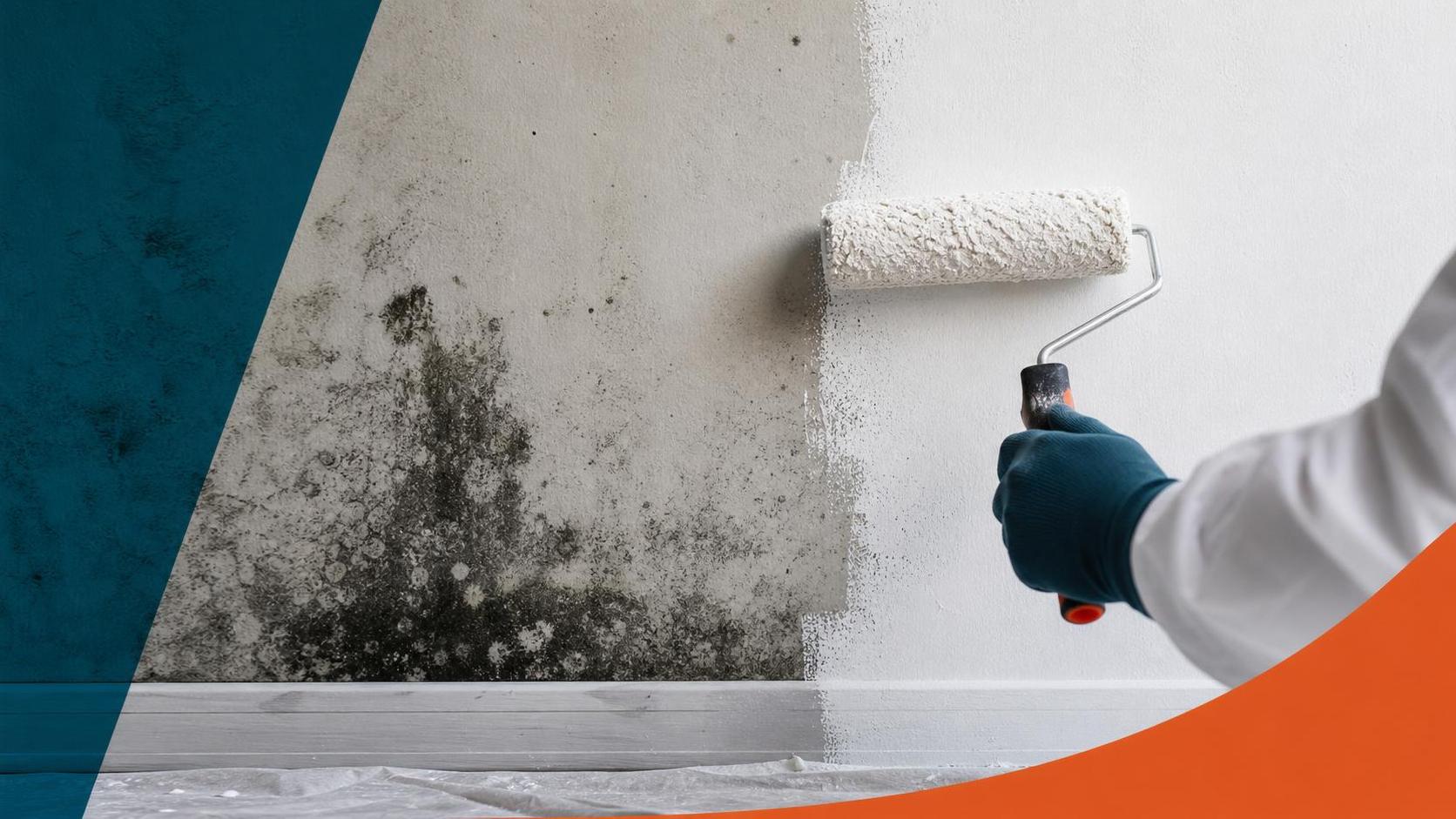
Painting over mold may seem like a fast way to make bathrooms, basements, laundry rooms, or a stained bathroom ceiling look clean again. The wall may look fine for a bit, but the problem is still alive. Mold is a living organism, and when paint covers it without proper treatment, the fungus can keep spreading beneath the painted surface.
What happens if you paint over mold? In many cases, the new paint bubbles, peels, cracks, or develops dark stains because moisture is still feeding the contamination. Painting directly over mold locks it in, allowing the fungus to grow beneath the paint. That can lead to stronger odors, more stains, and greater exposure to spores in the air.
Mold thrives where moisture, warmth, and organic material meet. Bathrooms, basements, and laundry rooms are classic trouble spots because shower steam, damp drywall, leaks, and poor ventilation create perfect conditions. During humid summers, even a room with one closed window and no exhaust fan can create mildew growth on walls, trim, and the floor.
Mold vs. Mildew: Why the Difference Matters
Mildew is a type of mold, usually less harmful and more surface-level. Mildew often appears powdery, gray, or white and typically forms in areas with short-term humidity, such as bathrooms after shower use. Mold is often darker, may grow from underneath a surface, and is harder to remove.
A simple check can help: place a few drops of household bleach on the spot. Mildew lightens or disappears when bleach is applied, while deeper mold may remain dark. Use caution, because bleach is not a complete solution. Bleach does not penetrate porous surfaces, and on materials like drywall, it can leave moisture behind and even feed new mold.
Mold spores are highly microscopic and dangerous to inhale. Mold can cause various health problems when inhaled, especially for children, older adults, and people with asthma or allergies. Mildew is usually easier to clean, but mildew still signals excess moisture that should be corrected.
How to Treat Mold Before You Paint
How do you treat mold before painting? First, stop the moisture source. Fixing leaks, a roof issue, plumbing gaps, condensation, or poor ventilation is crucial to preventing mold return. Preventing mold growth requires addressing leaks and improving ventilation, not just buying better paint.
Next, assess the affected area. If contamination penetrates porous surfaces, you may need to remove damaged material, replace sections, or hire a professional. Mold should be professionally removed if it penetrates surfaces. If the damage is small and surface-level, wear safety gear such as respirator masks, gloves, and goggles before you clean.
- Turn off airflow that could spread spores, but keep safe ventilation available.
- Use a proper cleaning solution; for mildew, a diluted bleach test may identify the issue.
- Scrub the surface carefully, then scrub nearby edges where dirt and spores collect.
- Rinse with clean water after using bleach or any cleaner.
- Dry the area completely with fans and a dehumidifier.
- Apply a mold killing primer after cleaning existing mold and drying the surface.
- Finish with a suitable topcoat such as mold resistant paint or mildew resistant paint.
Areas must be clean and dried completely before priming and painting over mold-stained surfaces. A dehumidifier helps let the area dry out thoroughly, especially in basements, bathrooms, and laundry rooms. If you skip drying, moisture trapped under primer and paint can restart growth.
A mold killing primer can help after proper cleanup. Products such as zinsser mold killing primer are designed as part of a mold killing system, but they are not magic. No primer should be used to hide heavy contamination, damaged material, or an active leak.
What Mold Resistant Paint Can and Cannot Do
Mold resistant paint has antimicrobial properties to inhibit mold growth on the cured film. It helps protect walls from mold spores in high-humidity areas like bathrooms, basements, and laundry rooms. However, mold resistant paint does not kill existing mold, and mold blocking paint does not treat existing mold.
Mildew resistant paint works in a similar way and is useful in bathrooms, near a shower, in a spa area, or anywhere condensation collects. Still, mildew resistant paint is not a permanent solution. Repeated moisture exposure can wear down mold resistant paint, especially if the exhaust fan is weak or the room stays damp.
What kind of paint will kill mold? Standard paint will not kill mold. Some specialty products are formulated as mold killing coatings or primers, but they must be used after you remove existing mold and clean the surface. Specialized fungicidal coatings should be used when painting over mold-stained areas only after proper treatment.
On the market, many homeowners compare brands such as benjamin moore, Zinsser, and other coatings. Benjamin moore bathroom products, including benjamin moore Aura Bath & Spa, are popular because they offer durable resistant paint for humid rooms. On today’s market, choose mold resistant paint or mildew resistant paint based on location, sheen, and moisture exposure.
The best resistant paint will not compensate for bad airflow. In bathrooms, install or upgrade an exhaust fan that vents outdoors. In basements, install a dehumidification plan if humidity stays high. Keep the shower area dry, leave space for air to move, and clean walls before dirt becomes a food source for bacteria, mold, and mildew.
When Landlords, Homeowners, and Pros Should Get Involved
Is it illegal for landlords to paint over mold? Laws vary by location, but landlords are generally required to provide habitable housing and address moisture problems that create unsafe conditions. Simply using paint to hide mold may violate local housing codes if the underlying leaks or contamination remain. Tenants should document stains, odors, leaks, and any request for repairs.
Homeowners should also avoid quick cover-ups. If mold returns after cleaning, if the affected area is larger than a small patch, or if you smell musty odors behind walls, call a professional. A professional can test moisture, identify hidden leaks, remove contaminated drywall, and recommend a treatment that gets rid of the source instead of hiding it.
Additionally, a professional can tell whether you should remove damaged material or whether cleaning, priming, and repainting are enough. That judgment matters in basements with seepage, bathrooms with failed caulk, or rooms where roof leaks have soaked insulation. The right plan should eliminate active moisture, kill remaining surface contamination where appropriate, and prevent mold from returning.
Smart Prevention After Cleanup
Once the surface is clean, dry, and primed, use mold resistant paint in bathrooms, basements, and other humid zones. Use resistant paint on walls that receive regular condensation. Keep an exhaust fan running during and after every shower, and install a stronger one if mirrors and walls stay wet for long periods.
To prevent future problems, fix leaks quickly, keep humidity controlled, and clean mildew before it spreads. Mold resistant paint, mildew resistant paint, and good ventilation work together, but moisture control is the real solution. Paint is the finishing layer, not the cure.
Frequently Asked Questions
What happens if you paint over mold?
Painting over mold traps contamination beneath the paint. The growth can continue, causing peeling, bubbling, odors, stains, and possible health exposure. Paint may hide the mark temporarily, but it does not remove or kill the source.
How do you treat mold before painting?
Fix the moisture problem, clean the affected area, rinse with clean water, dry completely, and apply primer only after existing mold is removed. If the surface is porous or deeply contaminated, call a professional before applying new paint.
Is mold resistant paint worth it in bathrooms?
Yes, mold resistant paint is useful in bathrooms because it helps inhibit spores on the paint film. For best results, pair resistant paint with an exhaust fan, regular cleaning, and moisture control.
Is it illegal for landlords to paint over mold?
It depends on local law, but painting instead of repairing leaks or unsafe contamination can violate habitability standards. Landlords should address the cause, not just cover stains with paint.
What kind of paint will kill mold?
No regular paint will kill mold. Use a proper cleaner, remove contamination, dry the area, and then apply a mold killing primer or specialty coating before the final paint.