Mold During Rainy Season
When the rainy season arrives, many homeowners focus on dripping gutters, wet shoes, and storm cleanup. But one hidden threat can develop quietly behind walls, under floors, around windows, and inside basements: mold.
If you searched for mold rainy season because your home smells musty after rain, you are right to pay close attention. Damp weather, leaks, condensation, and poor ventilation can create ideal conditions for mold growth in surprisingly little time.
The good news is that a proactive approach can significantly reduce the risk. With regular inspections, moisture control, and smart mold prevention habits, you can protect your property, your indoor environment, and your family’s health.
Why the Rainy Season Triggers Mold Problems
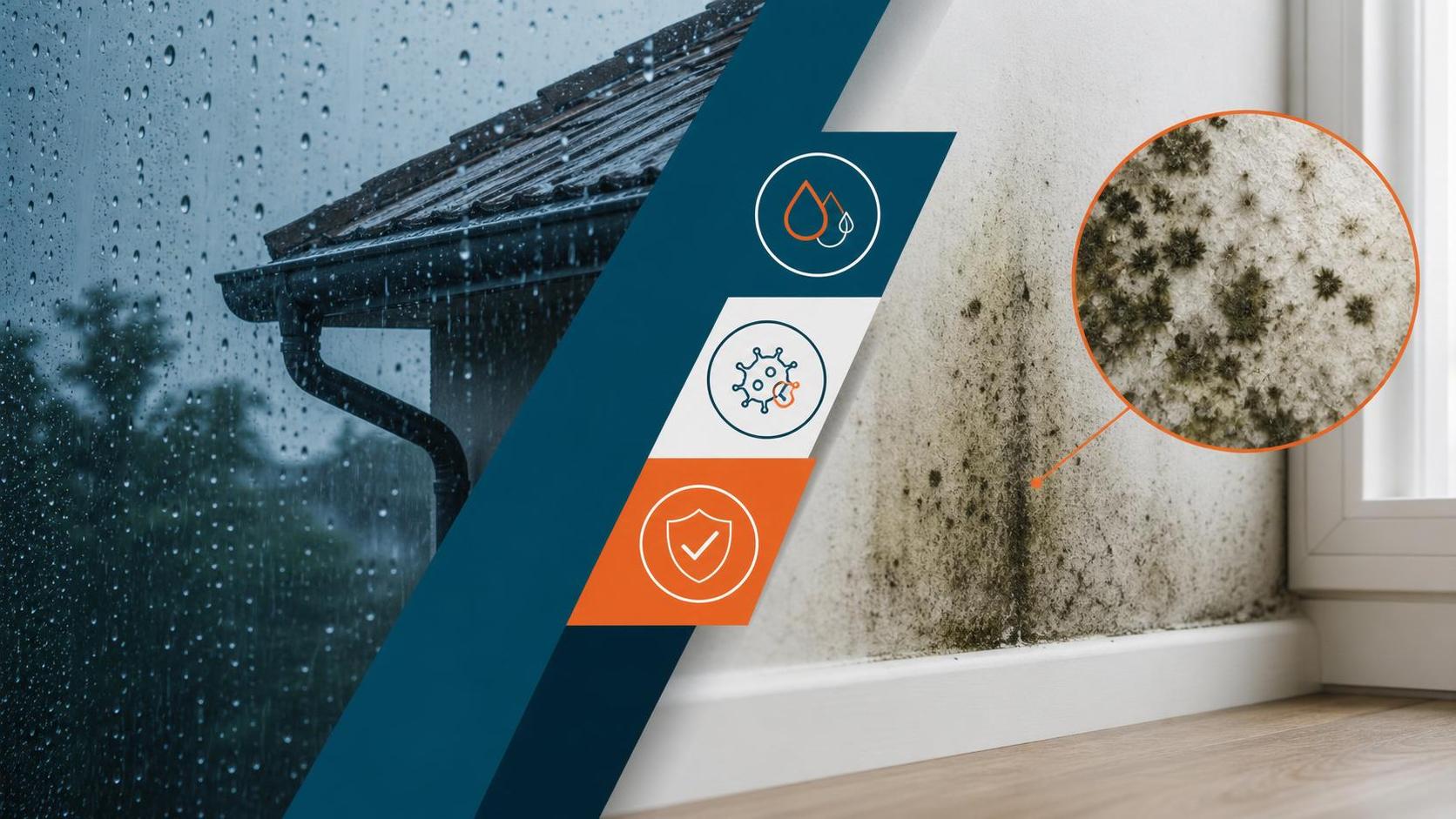
The rainy season brings a perfect storm of moisture, humidity, and reduced drying time. When rain falls for extended periods, surfaces stay damp longer, indoor humidity rises, and hidden leaks may go unnoticed.
Mold thrives where organic materials meet moisture. Drywall, wood, insulation, carpet, ceiling tiles, and dust can all become an environment for mold when wet conditions persist. Even a minor leak around a roof, pipe, or window frame can lead to mold growth if it is not addressed promptly.
Heavy rain can also push water into crawl spaces, basements, and other areas through a small crack in the foundation. Once dampness settles in, mold spores can land, feed, and spread.
Is Mold Worse on Rainy Days?
Yes, mold can be worse on rainy days because moisture and humidity levels often rise together. Rainy weather may make indoor air feel damp, especially when windows are closed and ventilation is limited.
Rain does not create mold by itself, but it supplies the excessive moisture that allows mold growth to develop. If you already have leaks, water damage, condensation, or trapped humid air, each new rain event can worsen the issue.
In homes with poor ventilation, damp bathrooms, wet basements, or an overloaded hvac system, mold spores may remain active longer. That can increase mold exposure and trigger mold allergies in sensitive people.
Common Causes of Mold Growth During Wet Weather
Mold growth often starts with a simple moisture problem. The following causes are especially common during the rainy season:
- Roof leaks that allow rain to enter attics, ceilings, or walls.
- Window leaks around aging seals, cracked caulk, or damaged frames.
- Plumbing leaks under sinks, behind appliances, or inside wall cavities.
- Basement seepage caused by poor drainage or foundation gaps.
- Condensation on windows, ducts, pipes, and cold surfaces.
- Standing water near the home’s foundation or in low indoor spots.
- Wet carpets, furniture, or stored boxes that do not dry quickly.
A minor leak may not look urgent, but moisture trapped behind walls can create a perfect breeding ground. During the rainy season, that hidden dampness can lead to mold proliferation before visible signs appear.
High Risk Areas to Check After Rain
Some high risk areas deserve regular inspections whenever rain is frequent. Start with basements, crawl spaces, bathrooms, laundry rooms, kitchens, attics, and rooms with exterior walls.
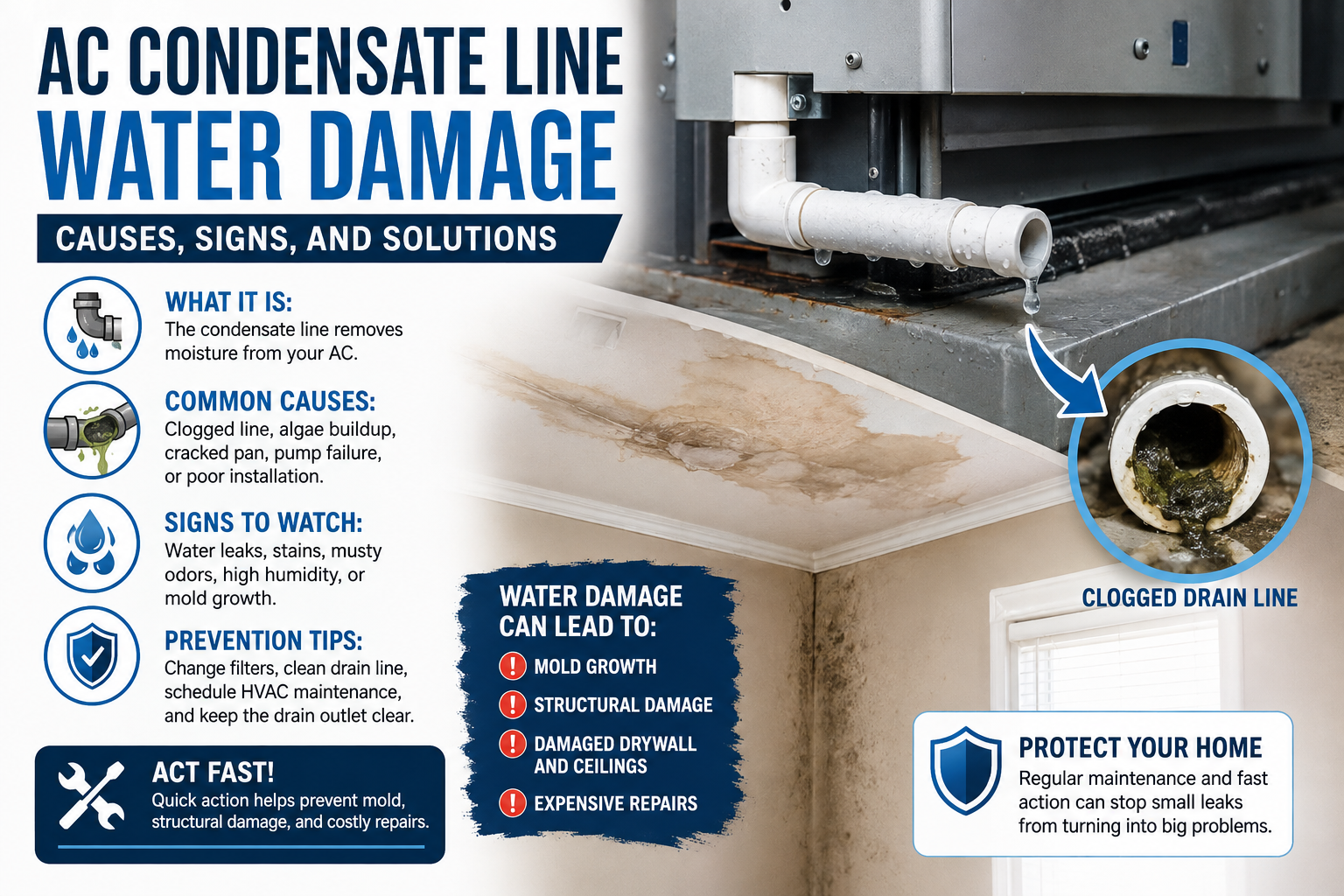
Check around windows for stains, peeling paint, warped trim, or condensation. Look under sinks for leaks, around toilets for soft flooring, and near appliances for dampness. Also inspect the air conditioning drain line, ducts, and vents for moisture issues.
Basements need extra attention because cool surfaces and humid air can create a perfect environment for mold. Cardboard boxes, fabric, wood shelving, and stored items can hold moisture and give spores a place to settle.
Health Risks: Why Mold Exposure Matters
Mold exposure can affect people differently. Some notice mild symptoms, while others experience stronger reactions due to mold allergies, asthma, chronic illness, or a weakened immune system.
Common effects of mold exposure include coughing, sneezing, watery eyes, congestion, headaches, fatigue, throat irritation, skin irritation, and respiratory issues. People with mold allergies may react even when the amount of visible mold seems small.
Children, older adults, pregnant people, and anyone with a compromised immune system should be especially cautious. A healthy indoor environment depends on keeping moisture under control and limiting exposure to mold spores.
What Are the 10 Warning Signs of Mold Toxicity?
The phrase “mold toxicity” is often used to describe symptoms some people associate with ongoing mold exposure. If symptoms are severe, persistent, or worsening, consult a medical professional.
- Persistent coughing or wheezing.
- Sinus congestion that does not improve.
- Frequent headaches after spending time indoors.
- Unexplained fatigue or brain fog.
- Itchy, red, or watery eyes.
- Worsening asthma or breathing discomfort.
- Skin rashes or irritation.
- Musty odors that return after cleaning.
- Visible signs such as dark spots on walls, ceilings, or vents.
- Symptoms that improve when you leave the indoor environment.
These signs do not prove mold is the only cause, but they do mean you should investigate potential problem areas, especially after repeated rain.
How to Get Rid of Mold During Rainy Season
First, stop the source of moisture. Cleaning without fixing leaks is only temporary. Repair roof leaks, seal windows, fix plumbing leaks, and dry damp materials as quickly as possible.
Small, non-porous surfaces may be cleaned with detergent and hot water, then dried completely. Avoid mixing chemicals, and use protective gear. If you suspect mold growth inside walls, under flooring, near the hvac system, or across a large area, seek professional assistance.
Mold testing may help confirm the scope of a problem when odors, symptoms, or hidden moisture issues persist. Professionals may use air testing, surface sampling, moisture meters, and visual assessments to identify contamination and guide cleanup.
Prevention Tips That Actually Work
Preventing mold growth starts with controlling water. The most effective prevention tips are simple, consistent, and focused on moisture reduction.
- Keep indoor humidity between 30% and 50% when possible.
- Use dehumidifiers in damp rooms during the rainy season.
- Run exhaust fans in bathrooms, kitchens, and laundry areas.
- Fix leaks immediately, even if the problem looks small.
- Improve drainage so rain flows away from the foundation.
- Clean gutters so water does not spill into walls or basements.
- Dry wet materials within 24 to 48 hours.
- Use proper ventilation to move stale air out of damp spaces.
Dehumidifiers are especially useful in basements, enclosed rooms, and storage areas. Exhaust fans help remove steam and moisture before it settles on surfaces. Together, these tools help prevent mold and improve the indoor environment.
Smart Ventilation and Humidity Control
Healthy airflow is a major part of mold prevention. When safe and practical, open windows briefly during dry breaks in the weather to refresh the air. Use cross ventilation to move damp air out quickly.
To promote air circulation, avoid pushing furniture tightly against exterior walls, keep closet doors slightly open, and make sure vents are not blocked. Fans can help, but they should not blow across active contamination because that may spread spores.
Track humidity levels with an inexpensive hygrometer. If indoor humidity stays high, use dehumidifiers, adjust air conditioning settings, and increase ventilation. These proactive steps can prevent mold before it becomes a major issue.
What Time of Year Is Worst for Mold?
The worst time of year for mold depends on climate, but the rainy season is often one of the most active periods. Warm temperatures, frequent rain, and high humidity create the perfect environment for mold.
In many regions, late spring through early fall is the peak period because humidity levels are higher. In cooler climates, winter can also be problematic when condensation forms on windows and poorly insulated walls.
Any season can lead to mold if moisture is present. The key is taking proactive steps year-round, especially before storms, during long wet stretches, and after water damage.
Frequently Asked Questions
Can mold grow after just one rainstorm?
Yes. One strong rainstorm can lead to mold growth if it causes leaks, damp drywall, wet carpet, or trapped moisture. The risk increases when materials stay wet for more than 24 to 48 hours.
How do I know if I need mold testing?
Consider mold testing if you smell musty odors, have unexplained symptoms, see recurring stains, or cannot find the source of moisture. Testing is also useful before major repairs or real estate transactions.
Do dehumidifiers really prevent mold?
Dehumidifiers help prevent mold by lowering humidity and removing moisture from the air. They work best when combined with leak repairs, cleaning, and good ventilation.
Can I paint over mold?
No. Painting over mold hides the issue but does not solve it. The moisture source must be fixed, contaminated material cleaned or removed, and the surface fully dried before repainting.
Are mold allergies worse during the rainy season?
Mold allergies can worsen during the rainy season because damp conditions increase spores indoors and outdoors. People with mold allergies should keep humidity low and avoid disturbing contaminated materials.
What is the fastest way to reduce indoor mold risk?
Fix leaks, dry wet areas, run exhaust fans, use dehumidifiers, and remove water-damaged porous materials. These actions reduce moisture and help stop mold growth from spreading.
When should I call a professional?
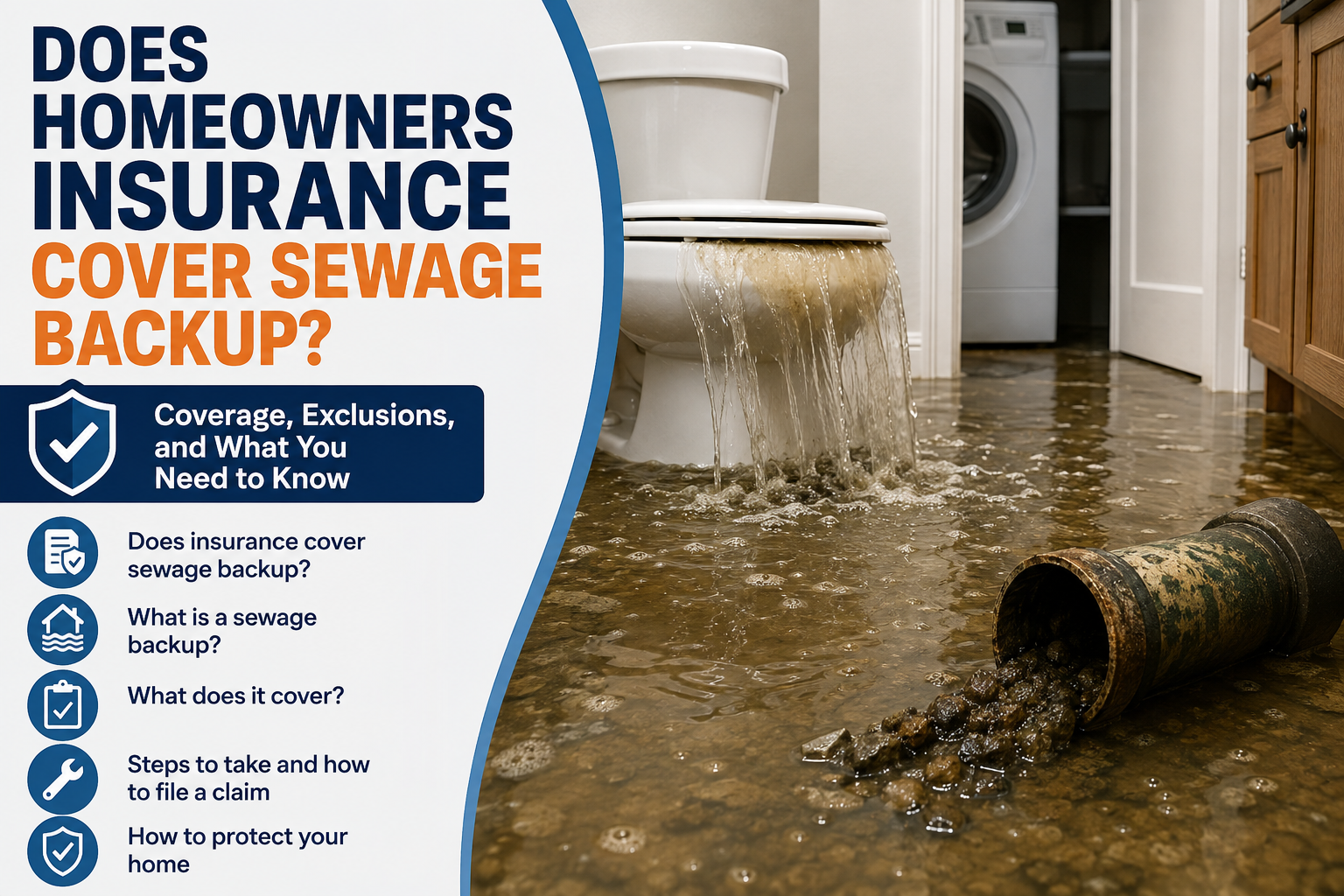
Call a professional if contamination covers a large area, returns after cleaning, involves sewage or major water damage, affects the hvac system, or is linked to ongoing health symptoms.
Final Takeaway
The rainy season does not have to mean ongoing mold problems. By watching for visible signs, repairing leaks quickly, managing humidity, and making regular inspections a habit, you can prevent mold and maintain a safer indoor environment.
If you see stains, smell musty odors, or suspect mold growth after repeated rain, do not wait and call now. Early action is the most reliable way to control moisture, reduce exposure, and protect your home.