Fast Answer: Can a Badly Burned Home Be Saved?
Yes, many homes can be saved after a house fire, but the right decision starts with safety, documentation, and professional evaluation. If you are wondering how to restore house with major fire damage, the answer is to secure the site, confirm stability, document every loss, remove hazards, clean smoke and soot, complete code-compliant repairs, and rebuild only after experts approve the plan.
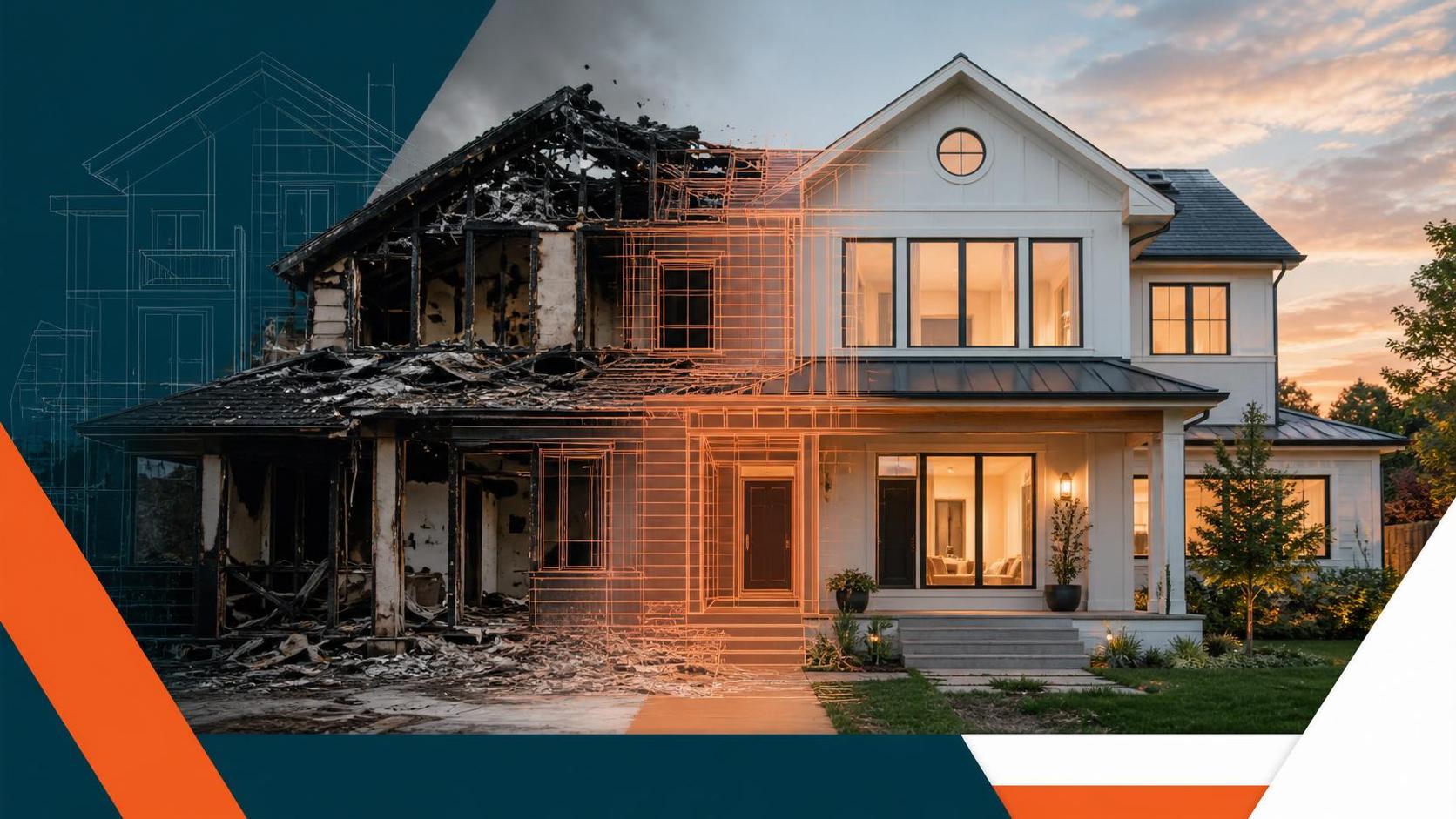
A fire damaged property can look hopeless in the first few days. Charred walls, collapsed ceilings, waterlogged floors, and smoke odor are overwhelming. Still, a fire damaged home is not automatically a teardown. The difference between restoration and demolition often depends on structural integrity, the condition of structural components, the cost of rebuilding, and what your insurance policy will cover.
Step 1: Do Not Re-Enter Until Authorities Clear the Site
After a house fire, local fire officials and the fire department determine when it is safe to enter. Do not walk through a fire damaged house because weakened floors, unstable walls, exposed wiring, falling debris, hazardous materials, and toxic smoke residues can cause serious injury.
First responders may have opened the roof, cut into walls, or broken windows during firefighting efforts. Those actions save lives and stop flames, but they can leave the house exposed to rain, trespassers, and further damage. Safety comes before memories, cleanup, or repairs.
Step 2: Secure the Property Immediately
Once entry is allowed, start by securing the property and ensuring it is structurally sound before cleanup. A professional board-up crew can protect openings, tarp the roof, and stabilize access points. Secure the property by boarding up windows and doors after a fire, especially if broken windows leave the interior exposed.
This early work limits theft, weather intrusion, mold, and additional water damage. In most cases, the insurance company expects the property owner to take reasonable steps to prevent secondary loss while the insurance claims review is underway.
Step 3: Document Everything Before Touching Anything
Document everything by taking photos and videos of the damage before cleanup. Capture every room, ceiling, roof line, appliance, furniture item, cabinet, wall surface, and personal possession. Detailed documentation is crucial for insurance claims and helps prove the extent of the loss.
Keep receipts for temporary housing, emergency board-up, debris removal, water removal, contents cleaning, and inspections. The claims process moves faster when your records are organized, dated, and backed up digitally.
Step 4: Schedule a Professional Fire Damage Assessment
A fire damage assessment should be performed by licensed professionals before any major work begins. The evaluation should include the foundation, framing, roof, electrical system, plumbing, HVAC, insulation, and visible structural components.
A structural engineer assesses significant loss to ensure safety. Hire licensed professionals to assess structural integrity after fire damage, because thermal stress, high temperatures, and water saturation can create hidden structural damage that is not obvious during a casual walk-through.
What a Structural Engineer Looks For
A structural engineer checks whether beams, joists, trusses, load-bearing walls, foundation areas, and roof framing can be retained or must be replaced. The structural engineer may also identify structural damage caused by heat, impact, collapse, or prolonged exposure to standing water.
When the structural engineer finishes, you should receive a written report explaining repairs needed, unsafe zones, and whether temporary shoring is required. This fire damage assessment becomes essential for planning, permitting, budgeting, and insurance claims.
Step 5: Understand the Fire Damage Restoration Process
The fire damage restoration process involves securing the site and removing hazards before cleaning or rebuilding. Environmental remediation is part of the fire damage restoration process, especially when asbestos, lead paint, chemicals, contaminated insulation, or compromised materials are present.
Professional fire damage restoration teams use specialized equipment such as HEPA vacuums, air scrubbers, hydroxyl generators, thermal foggers, dehumidifiers, and air movers. They also monitor humidity levels and air quality so smoke and soot do not continue harming the home.
Step 6: Remove Water, Soot, and Odors Quickly
Water damage from firefighting can be as extensive as fire damage. In fact, saturated floors, wet drywall, soaked cabinets, and damp insulation can lead to mold within days. Immediate action limits secondary losses from smoke and water.
Smoke and soot can cause ongoing damage and health issues. Improper cleaning can lock in smoke damage or cause further harm, especially when oily soot residues spread across painted surfaces, tile, metal, textiles, and electronics.
Professional fire damage cleanup often begins with water extraction, containment, soot removal, deodorization, and controlled demolition of affected materials. Experts know how to remove smoke from wall cavities, attic spaces, ductwork, and porous surfaces where smoke odor lingers.
Why Smoke and Soot Are So Difficult
Smoke and soot are acidic, invasive, and often toxic. They can discolor walls, corrode metal, etch glass, contaminate air quality, and stain finishes long after flames are out. Smoke damage is not only cosmetic; it can affect respiratory health and make the house unpleasant or unsafe.
Different fires create different soot residues. A protein-based kitchen loss, a plastic-fueled electrical event, and a wood-heavy house fire all require different cleaning chemistry. Fire restoration specialists match cleaning methods to the type of residue to avoid irreversible damage.
Step 7: Decide What Is Salvageable
What is salvageable after a house fire? Non-porous items, metal objects, certain dishes, lightly affected furniture, jewelry, tools, some documents, and professionally cleaned textiles may be recoverable. Professional restoration can save many items from fire damage if action is taken quickly.
Items with deep soot damage, melted plastic, contaminated food, heavily burned upholstery, compromised mattresses, and unsafe electronics are often discarded. Contents cleaning may include inventory, packing, ultrasonic cleaning, ozone or hydroxyl treatment, and dry cleaning for clothing and soft goods.
Step 8: Plan Repairs Before Rebuilding Begins
A fire damaged home usually needs a phased plan. Emergency stabilization comes first, followed by demolition, cleaning, drying, engineering, permitting, utilities, framing, mechanical systems, finishes, inspections, and final restoration.
New electrical, plumbing, and HVAC systems may need to be installed after fire damage. Fire damaged walls may be opened so contractors can replace wiring, pipes, ductwork, insulation, and framing that no longer meet code.
Permits, Codes, and Fire-Resistant Upgrades
Before rebuilding, confirm building permits and necessary permits with your local authority. Code requirements may have changed since the house was built, and major repairs often trigger upgrades to electrical panels, stairways, smoke alarms, egress windows, energy systems, and structural components.
Homeowners may choose fire-resistant materials for better protection in future incidents and natural disasters. Fiber cement, brick, stucco, tempered glass windows, non-combustible insulation like mineral wool, and Class A fire-rated roofing materials help withstand heat and slow flame spread. Defensible space of 30-100 feet around the home can also reduce future risk.
Step 9: Choose the Right Restoration Partner
Hiring professionals ensures safety during hazardous cleanup and helps prevent mistakes that increase cost. Always verify a restoration company’s certifications and references before hiring. Do not sign contracts with restoration companies without understanding payment terms, scope, exclusions, and how insurance money will be handled.
A qualified fire restoration contractor can coordinate mitigation, cleaning, engineering, permitting, and rebuilding. Professional restoration services limit secondary damage after a fire, while experts help navigate insurance claims efficiently.
Step 10: Work Closely With Insurance
Call your carrier quickly and ask what emergency steps are authorized. Your insurance claims file should include the fire report, photos, videos, inventory lists, contractor estimates, engineer reports, receipts, and temporary relocation expenses.
Read your insurance policy carefully. Coverage may include dwelling repairs, personal property, code upgrades, loss of use, smoke and soot cleaning, and detached structures. If your fire damaged rooms require specialty cleaning or rebuilding, written estimates help support fair payment.
How Much Does Restoration Cost?
The average cost for a structure fire was $25,545 in 2019, but severe losses are much higher. Restoration costs range from $80,000 to over $300,000, while minor restorations may cost as little as $5,000 to $50,000. Full rebuilds can cost between $500,000 and $1,000,000 or more.
Factors affecting rebuilding costs include structural damage and material prices. The cost also depends on square footage, smoke spread, roof condition, water damage, mold, labor rates, code upgrades, contents cleaning, and whether the fire damaged structure needs partial demolition.
Is It Cheaper to Restore or Build New?
It depends. Restoration is often cheaper when the foundation, framing, roof, and utilities can be saved. Rebuilding may be cheaper when extensive damage affects the core structure, when cleanup costs are extreme, or when code upgrades make patchwork repairs inefficient.
A fire damaged shell with a stable foundation may be a strong candidate to restore. But if the house has major framing failure, severe contamination, failed utilities, and a compromised roof, full rebuilding may deliver better long-term value.
What Makes a House Unrepairable?
A home may be considered unrepairable when structural integrity cannot be restored safely, when the foundation has failed, when contamination is too severe, or when the cost of repairs exceeds the value of rebuilding. Local code officials, engineers, insurers, and experienced contractors help make that determination.
Even a small fire can create hidden hazards if smoke travels through ducts or heat damages wiring. That is why a fire damage assessment should never be skipped.
Rebuilding Smarter After a Fire
Rebuilding is not just replacing what burned. Smart rebuilding improves safety, performance, comfort, and resilience. Specialized, odor-blocking primers should be applied to exposed surfaces before renovating so smoke odor does not bleed through new paint.
During rebuilding, consider improved roof assemblies, fire-rated siding, better ventilation, upgraded electrical service, safer appliance placement, and modern alarms. A thoughtful fire restoration plan can return the home to pre loss condition while lowering future risk.
Emotional Recovery Matters Too
Fire survivors face grief, confusion, and decision fatigue. A house fire disrupts routines, finances, family memories, and security. Give yourself permission to move slowly on non-urgent choices while professionals handle safety and mitigation.
A compassionate restoration team should explain the entire process, answer questions clearly, and help you make informed decisions instead of pressuring you during a crisis.
Practical Recovery Checklist
- Wait for official clearance before entering the property.
- Photograph and video every affected room before anything is moved.
- Board up openings and tarp the roof to protect the house.
- Request a structural engineer report for significant fire damaged areas.
- Begin drying, smoke and soot cleaning, and odor control quickly.
- Track every cost, receipt, estimate, and contractor communication.
- Verify licenses, certifications, references, and contract terms.
- Plan rebuilding with code upgrades and fire-resistant materials.
Frequently Asked Questions
Can a house with fire damage be repaired?
Yes. Many fire damaged homes can be repaired when the foundation, framing, and key systems remain stable or can be safely replaced. A structural engineer, restoration contractor, and local officials should confirm the safest path.
How long does fire damage restoration take?
Minor fire damage restoration may take a few weeks, while major restoration and rebuilding can take several months or longer. The timeline depends on permits, insurance approvals, material availability, cleaning needs, and inspection schedules.
What should I throw away after a fire?
Discard exposed food, medicine, melted plastics, heavily contaminated upholstery, unsafe mattresses, and questionable electronics. Fire damaged items with heavy smoke and soot contamination should be evaluated by a contents professional before you keep them.
Can smoke smell be removed completely?
Often, yes, but it requires source removal, deep cleaning, sealing, deodorization, and air quality control. Smoke can hide in walls, insulation, ducts, and porous materials, so surface cleaning alone rarely works.
Who should inspect a fire damaged home?
A structural engineer should inspect stability, while licensed electricians, plumbers, HVAC professionals, environmental specialists, and fire restoration experts evaluate systems, contamination, and cleanup needs.
Is water damage common after a house fire?
Yes. Fire hoses, sprinklers, and openings in the roof can leave floors, walls, and insulation soaked. Fast drying is critical because mold can grow quickly and increase the restoration cost.
Should I hire a public adjuster?
You may consider one if the loss is large, the estimate seems too low, or the claim becomes complicated. Compare fees, experience, references, and contract terms before signing anything.
Can I live in the home during restoration?
Usually not after a serious house fire. Air quality, unstable materials, open walls, missing utilities, smoke odor, and active repairs can make the home unsafe until professionals clear it for occupancy.
The Bottom Line
A fire damaged home can often be restored, but success depends on fast action, expert evaluation, careful cleaning, accurate insurance claims, and code-compliant rebuilding. Prioritize safety, document everything, hire qualified professionals, and make every decision with both recovery and long-term protection in mind.