Does Renters Insurance Cover Smoke Damage?
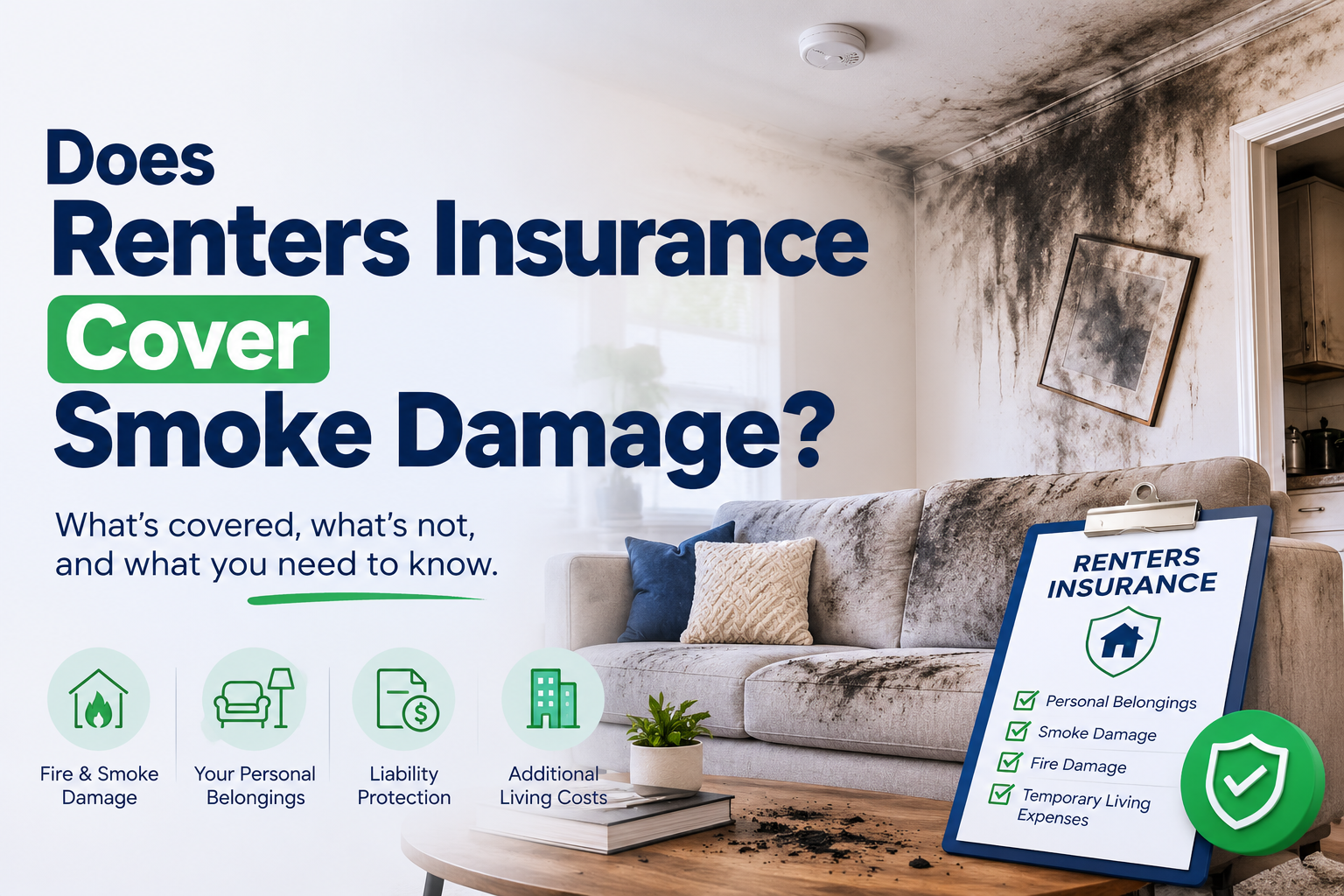
If your apartment or rental home has smoke damage after a fire, you may wonder, does renters insurance cover smoke damage? In many cases, the answer is yes. However, coverage depends on what caused the smoke damage and what your insurance policy includes.
If your rental has smoke damage, acting quickly is important. Professional fire damage restoration can help remove smoke odor, soot, and harmful particles before they cause more damage. Learn more about fire damage restoration services and how fast cleanup can protect your belongings and your health.
This guide explains what renters insurance usually covers, what it may not cover, and what steps to take after smoke damage.
What Is Smoke Damage?
Smoke damage happens when smoke from a fire leaves behind soot, odors, stains, and harmful particles. Even a small fire can spread smoke throughout a building.
Smoke damage can affect:
- Furniture
- Clothing
- Electronics
- Mattresses
- Curtains
- Carpets
- Walls and ceilings
- Personal documents
Smoke particles can also get inside HVAC systems, vents, and insulation, making professional cleaning important.
Does Renters Insurance Cover Smoke Damage?
In many situations, renters insurance covers smoke damage caused by a covered event.
Most standard renters insurance policies cover damage from:
- House fires
- Apartment fires
- Neighboring unit fires
- Electrical fires
- Kitchen fires
- Wildfires
- Lightning-related fires
If smoke from one of these events damages your personal belongings, your renters insurance may help pay for repairs or replacement.
Coverage usually applies to:
- Personal property
- Temporary living expenses
- Smoke cleanup for belongings
- Additional living expenses if the rental becomes unsafe
Always review your insurance policy because every company offers different coverage limits and exclusions.
What Does Renters Insurance Usually Cover?
Personal Property
One of the biggest benefits of renters insurance is protection for personal belongings.
Covered items may include:
- Clothing
- Furniture
- TVs
- Computers
- Kitchen items
- Bedding
- Jewelry (up to policy limits)
- Sports equipment
If smoke permanently damages these items, your insurance company may pay to repair or replace them.
Additional Living Expenses
If your apartment becomes unsafe because of smoke damage, your policy may pay for:
- Hotel stays
- Restaurant meals
- Laundry costs
- Temporary housing
- Pet boarding
This coverage is often called Loss of Use or Additional Living Expenses (ALE).
Smoke Odor Removal
Strong smoke odors can remain for weeks or even months.
Professional smoke odor removal may include:
- HEPA air filtration
- Thermal fogging
- Ozone treatments
- Hydroxyl generators
- Deep cleaning
- HVAC cleaning
Your policy may help cover these services if the damage resulted from a covered fire.
What Is Usually Not Covered?
Not every smoke-related situation is covered.
Many renters insurance policies exclude smoke damage caused by:
Cigarette Smoke
Long-term cigarette smoke stains and odors are usually considered maintenance issues rather than sudden damage.
Intentional Fires
Insurance generally does not cover damage caused by intentional acts.
Poor Maintenance
If smoke damage happens because an appliance was never repaired or maintained, your claim could be denied.
Business Property
If you run a business from your rental, expensive business equipment may require separate coverage.
Does Renters Insurance Cover Smoke Damage From Wildfires?
Yes, in many cases.
Wildfires can send smoke miles away from the actual fire. Even if flames never reach your apartment, smoke can still damage:
- Clothing
- Upholstery
- Electronics
- Air quality
- Furniture
- Bedding
Many renters insurance policies include wildfire smoke damage as part of their fire coverage.
If your area experiences a wildfire, check with your insurance company as soon as possible.
Does Renters Insurance Cover Smoke Damage From a Neighbor’s Fire?
Usually yes.
Smoke does not stay inside one apartment. It often spreads through:
- Hallways
- Shared vents
- HVAC systems
- Windows
- Doors
Even if your own apartment never catches fire, smoke from another unit can still damage your belongings.
Your renters insurance typically covers your personal property, while the landlord’s insurance covers the building itself.
What Does the Landlord’s Insurance Cover?
Many renters believe the landlord’s insurance protects everything inside the apartment.
That is not true.
The landlord’s insurance usually covers:
- The building
- Roof
- Walls
- Floors
- Structural repairs
- Common areas
Your renters insurance protects your personal belongings.
That is why renters insurance is so important.
How Do You File a Smoke Damage Insurance Claim?
Step 1: Stay Safe
Never enter a fire-damaged building until local authorities say it is safe.
Smoke can contain dangerous chemicals and tiny particles.
Step 2: Contact Your Insurance Company
Report the damage as soon as possible.
Many companies allow you to:
- Call
- Use a mobile app
- File online
Quick reporting often speeds up the claims process.
Step 3: Document Everything
Take photos and videos of:
- Smoke stains
- Damaged furniture
- Burned clothing
- Electronics
- Walls
- Ceilings
Keep receipts for emergency expenses.
Step 4: Make a List of Damaged Items
Create an inventory that includes:
- Item description
- Purchase date
- Estimated value
- Photos
- Receipts if available
This helps support your insurance claim.
Step 5: Work With Restoration Professionals
Professional smoke damage restoration companies can inspect the damage and provide documentation that supports your claim.
Their work may include:
- Smoke removal
- Soot cleanup
- Air quality testing
- Odor removal
- Content cleaning
Why Smoke Damage Should Never Be Ignored
Many people think smoke damage is only a bad smell.
It is much more than that.
Smoke particles can:
- Damage electronics
- Stain walls
- Corrode metal
- Ruin fabrics
- Affect indoor air quality
Soot is acidic and can permanently damage surfaces if not cleaned quickly.
The sooner cleanup begins, the better the chance of saving your belongings.
How Professionals Remove Smoke Damage
Professional restoration companies use specialized equipment that is much stronger than household cleaning products.
Common restoration methods include:
HEPA Vacuuming
Removes fine soot particles from surfaces.
Dry Sponge Cleaning
Special smoke sponges lift soot without spreading it.
Thermal Fogging
Helps neutralize smoke odors by reaching hidden areas.
Ozone Treatment
Breaks down odor molecules after cleaning is complete.
Hydroxyl Generators
Reduce odors while allowing the property to remain occupied in many situations.
Air Scrubbers
HEPA air scrubbers capture airborne smoke particles and improve indoor air quality.
Tips to Protect Your Insurance Claim
Following a few simple steps can make the claims process easier.
Do Not Throw Away Damaged Items Right Away
Your insurance adjuster may need to inspect them first.
Save Every Receipt
Keep records for:
- Hotels
- Meals
- Cleaning supplies
- Temporary housing
Prevent More Damage
If it is safe, take reasonable steps to protect your belongings from additional damage.
Keep Communication Records
Save emails, claim numbers, and notes from phone calls with your insurance company.
Should You Clean Smoke Damage Yourself?
Small amounts of smoke residue may be cleaned carefully.
However, heavy smoke damage should be handled by professionals.
DIY cleaning can:
- Spread soot
- Push particles deeper into fabrics
- Damage electronics
- Make odors worse
- Increase health risks
Professional restoration equipment removes smoke much more effectively.
When Should You Call a Restoration Company?
Call a restoration company immediately if you notice:
- Heavy smoke odor
- Black soot
- Yellow stains
- Ash inside your home
- Fire extinguisher residue
- Smoke inside HVAC vents
Fast cleanup helps prevent permanent damage and improves indoor air quality.
Preferred Restoration Services provides professional smoke damage restoration, soot removal, odor removal, and fire damage cleanup to help renters recover after a fire.
Final Thoughts
So, does renters insurance cover smoke damage?
In most cases, yes. Standard renters insurance policies often cover smoke damage caused by covered events like house fires, apartment fires, electrical fires, and wildfires. Coverage may include personal belongings, temporary living expenses, and smoke cleanup.
Every insurance policy is different, so review your coverage carefully and contact your insurance company as soon as damage occurs.
After a fire, quick action is important. Professional smoke damage restoration can help remove soot, improve indoor air quality, eliminate odors, and restore your belongings before the damage becomes worse.
FAQs
Does renters insurance cover smoke damage from a neighbor’s apartment fire?
Yes. If smoke from a neighboring apartment damages your personal belongings, renters insurance usually provides coverage if the fire is a covered event.
Does renters insurance pay for smoke odor removal?
Many policies do when the smoke damage results from a covered fire. Professional odor removal may be included as part of the restoration process.
Does renters insurance cover wildfire smoke damage?
In many cases, yes. Smoke damage from wildfires is commonly covered under standard renters insurance policies, depending on the policy terms.
What should I do first after smoke damage?
Make sure everyone is safe, contact your insurance company, document the damage with photos, and arrange for professional smoke damage restoration as soon as possible.
Will renters insurance replace smoke-damaged furniture?
If the furniture cannot be cleaned or restored after a covered fire, renters insurance may pay to repair or replace it based on your policy limits and settlement terms.