
Why Mold Insurance Questions Matter
Few discoveries make homeowners panic faster than dark spots behind drywall, a musty smell in the basement, or stains spreading after a leak. The big question is simple: does insurance cover mold? The honest answer is: sometimes, but only in certain situations.
Most homeowners insurance is designed to respond to sudden and accidental losses, not long-term neglect. If mold growth follows a covered peril such as a burst pipe, your insurance company may help. If the problem came from poor ventilation, high humidity, old water leaks, or ignored maintenance, the claim is typically denied.
When Homeowners Insurance May Help
Homeowners insurance may pay for mold damage when the fungus results directly from a covered event. For example, if an accidental event like a burst pipe soaks a wall and mold growth appears before the area can dry, the resulting mold damage may be covered.
A standard homeowners insurance policy usually responds to accidental water damage from plumbing failures, appliance leaks, or a sudden event inside the home. In those cases, the policy may cover mold cleanup, repairs to damaged materials, and sometimes testing, depending on policy terms.
Common covered causes may include water from an overflowing toilet, a broken appliance hose, or a covered loss that creates damp building materials. Each insurance company evaluates the facts on a case by case basis, so documentation matters.
When Mold Is Usually Not Covered
Most insurance policies exclude mold damage caused by neglect, poor home maintenance, or moisture that built up slowly. If an insurance adjuster finds that water leaks existed for months, or that bathroom ventilation was poor, the claim may be denied.
Mold damage claims are often rejected when the source is high humidity, poor ventilation, condensation, or failure to fix leaks. Insurance providers typically deny mold claims resulting from long-term maintenance issues because homeowners are expected to protect the property.
For example, if you noticed water leaks regularly under a sink but waited months to fix them, the insurance company may call the damage preventable. Documenting maintenance, repairs, and inspections can help support mold claims against denials.
Does Home Insurance Cover Mold From Water Damage?
Many people ask whether home insurance cover mold after a leak. The answer depends on the original cause. If the water damage came from a sudden plumbing failure, coverage is more likely. If the water damage came from seepage, poor drainage, or old maintenance problems, it is usually not covered.
Another common question is whether home insurance cover mold from a hidden leak. Some insurance policies include hidden water damage protection, but limits and exclusions vary depending on the home insurance policy.
If your homeowners insurance cover mold language is unclear, call your insurance agent before a problem occurs. Your agent can explain whether your homeowners insurance cover mold losses, what limits apply, and whether you need additional coverage.
Flooding, Stormwater, and Mold
Standard home insurance policies generally do not cover flood damage from external rising water. That means mold growth after weather-related flooding is usually not covered by ordinary home insurance.
To protect against flood damage, homeowners may need flood insurance through the National Flood Insurance Program or a private carrier. A separate flood insurance policy is usually required for damage from external flooding events, including related cleanup.
Even with a flood insurance policy, you must act quickly to remove wet materials, remove moisture, and stop further damage. Flood policies are different from homeowners policies, so review them carefully with an insurance agent.
What About Sewer Backup and Water Backup?
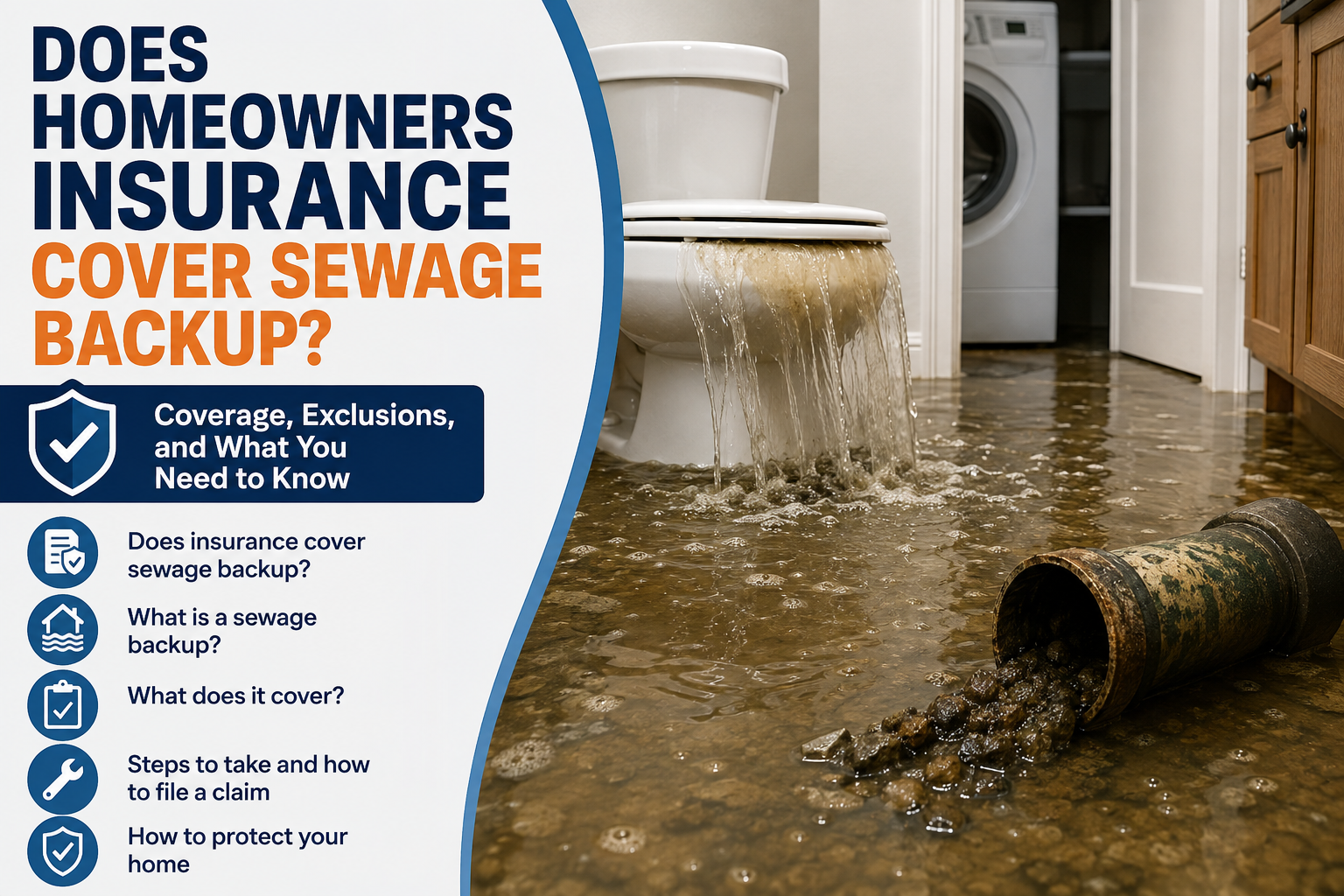
A sewer backup can send contaminated water into floors, cabinets, and walls, creating rapid mold growth. Many homeowners policies do not automatically include water backup protection, but it can often be added by endorsement.
Water backup coverage may help when a drain, sump pump, or sewer line backs up into the home. If mold follows a covered water backup incident, the insurer may cover mold damage up to the policy limit.
This is one reason to compare insurance policies before renewal. The cheapest home insurance policy may leave major gaps that cost more later.
Mold Coverage Limits and Endorsements
Even when mold covered losses are approved, many insurance policies cap what they will pay. Standard policies generally limit payment for mold-related damages to a specific cap amount, which may be far below the actual cost.
According to industry estimates, average mold remediation costs about $2,363 to $2,365 in the U.S., while homeowners insurance deductibles typically range from $500 to $2,000. Large remediation jobs can cost much more, especially if walls, flooring, or HVAC components are involved.
A mold endorsement can increase mold remediation limits in insurance policies. Ask your insurance agent whether this option is available and whether the extra premium makes sense for your property.
How to File a Mold Claim
Report mold issues promptly if you plan to file a claim. Waiting can make it harder to prove that the problem came from an accidental event instead of neglect.
- Stop the source of moisture if it is safe to do so.
- Take photos and videos before removing damaged items.
- Save plumbing, repair, and home maintenance records.
- Contact your insurance company and explain the covered peril.
- Ask whether testing, mold removal, and remediation are included.
- Keep receipts for emergency cleanup and temporary repairs.
The claims process usually includes an inspection, review of policy terms, and a decision from the insurance company. If your claim is denied and you believe the insurer acted unfairly, you may want to seek legal advice.
How to Prevent Mold Before It Starts
Controlling moisture is key to preventing mold growth. The Environmental Protection Agency says that small areas may often be cleaned if they cover less than 10 square feet, but larger problems need caution.
To prevent mold, keep indoor moisture under control and respond quickly after leaks. Mold can grow in high-humidity areas like bathrooms and basements, especially where air circulation is poor.
- Use exhaust fans in bathrooms, kitchens, and laundry rooms.
- Repair water leaks quickly and check around toilets, sinks, roofs, and windows.
- Run air conditioners or dehumidifiers during damp seasons.
- Avoid unvented kerosene heaters that add moisture to indoor air.
- Remove wet carpets, boxes, and other surfaces after water damage.
- Keep gutters clear and direct exterior water away from the foundation.
Good mold prevention is really moisture control. To prevent mold growth, remove wet items quickly after water damage and keep damp areas dry.
Health, Safety, and Toxic Mold
Mold spores are common in indoor and outdoor air, but moisture lets them multiply. Some people experience health symptoms such as coughing, wheezing, irritation, headaches, or allergy flare-ups.
What is considered toxic mold? The phrase often refers to molds that can produce mycotoxins, including Stachybotrys chartarum, sometimes called black mold. However, color alone does not prove toxicity, and any significant mold problem should be handled carefully.
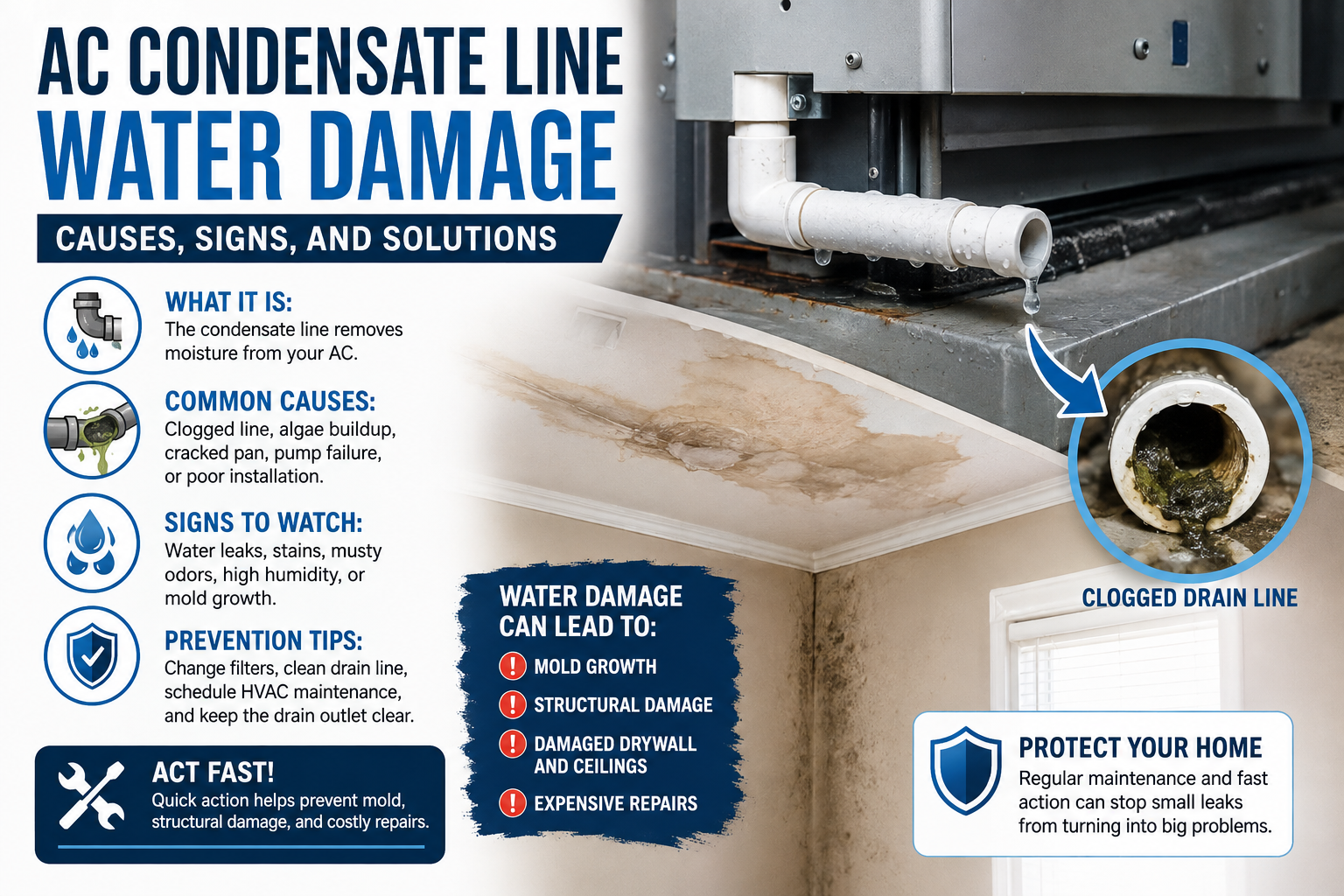
If you smell mustiness or see suspected contamination near HVAC equipment, speak with a qualified remediation professional. Do not rely on appearance alone to determine risk.
Is a Mold Claim Worth Filing?
A mold claim may be worth filing when the damage is clearly tied to a covered peril, the repair cost exceeds your deductible, and you have evidence. If the estimated cost is small, filing may not be worth filing because deductibles and possible premium impacts can outweigh the payout.
Before filing, compare the deductible, the mold coverage limit, and the strength of your proof. A trusted contractor and your insurance agent can help you decide.
Key Takeaways for Homeowners
Homeowners should remember that insurance is not a substitute for maintenance. Home insurance is most helpful after sudden and accidental losses, not slow leaks or humidity problems.
Review homeowners policies now, not after an emergency. Ask your insurance company whether your home insurance includes testing, mold removal, remediation, and whether it will cover mold in common loss scenarios.
The bottom line: homeowners insurance may cover mold damage when it follows a covered peril, but home insurance rarely helps when the root cause is neglect. The best strategy is to prevent mold, fix water leaks fast, and keep records that prove responsible maintenance.
Frequently Asked Questions
Will insurance pay out for mold?
Insurance may pay when mold damage is caused by a covered peril, such as a sudden plumbing failure. It usually will not pay for mold caused by humidity, poor ventilation, or neglected repairs.
Can you claim for mold on house insurance?
Yes, you can file a claim, but approval depends on the cause. If the mold resulted from a covered accidental event, your homeowners insurance policy may respond. If it came from long-term moisture, the insurance company may deny it.
What if you can’t afford mold removal?
If you cannot afford mold removal, start by stopping the moisture source and removing wet items safely. Contact local health departments, nonprofit housing groups, or disaster assistance programs. For small areas under 10 square feet, careful cleaning may be possible, but larger contamination often needs professional remediation.
Does homeowners insurance cover mold completely?
Homeowners insurance cover mold decisions depend on the cause and the limit. Even approved claims may have caps, deductibles, and exclusions, so the payout may not cover every expense.
Does home insurance cover mold testing?
Some home insurance policies may cover testing if it is necessary for a covered claim and included in the policy. Others exclude it or count it toward a mold sublimit.
What kind of mold damage is most likely covered?
Mold damage is most likely covered when it follows a sudden, accidental water release, such as a burst pipe or appliance failure, and the homeowner acts quickly to prevent mold.
How fast should homeowners report mold?
Homeowners should report suspected mold as soon as it appears. Fast reporting helps connect the damage to a covered event and shows the insurance company that you tried to prevent mold from spreading.
Can an insurance company deny a mold claim?
Yes. An insurance company can deny a claim if the damage resulted from neglect, poor maintenance, high humidity, or excluded flooding. Keeping repair records and photos can help challenge an unfair denial.