Challenges of Restoring Historic Homes After Water Damage
Restoring Historic Homes in Orange County After Water Damage
Historic homes in Orange County exude timeless beauty and architectural charm, yet remain especially vulnerable to water damage. This article outlines the essential aspects of water damage restoration in historic houses, focusing on preserving original materials and meeting strict preservation regulations. Homeowners and restoration professionals must understand the causes of water damage, the unique restoration process required for vintage structures, and the challenges inherent to working with historic materials and outdated building systems. With a legacy spanning centuries, these properties require careful, informed intervention—balancing modern restoration techniques with traditional craftsmanship—to ensure the preservation of cultural and architectural heritage. The discussion integrates expert guidelines from the American Institute of Architects and data sourced from peer-reviewed studies on restoration techniques, while addressing key concerns such as mold growth, structural integrity, and compliance with local historic preservation codes. Ultimately, this guide serves as a comprehensive resource for managing water damage in historic homes and offers actionable solutions for safely restoring and preserving these treasured properties.
Understanding Water's Impact on Orange County's Historic Residences
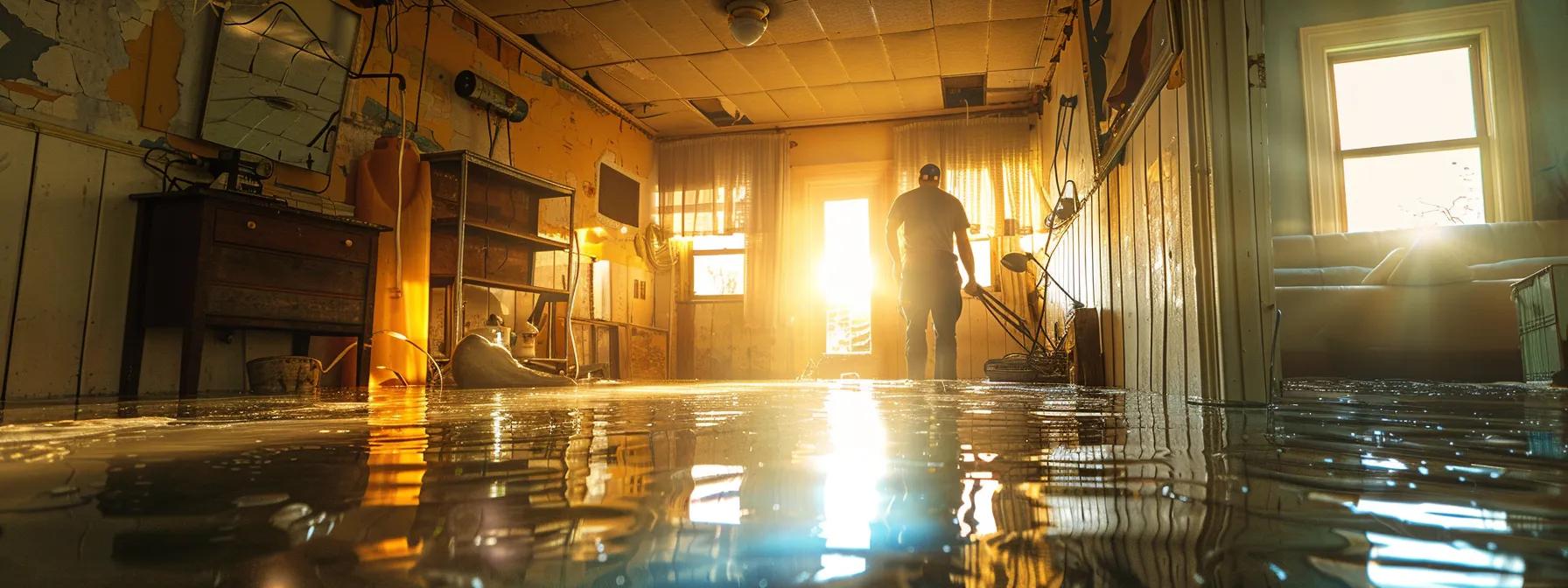
Water damage in historic residences is a leading cause of deterioration, primarily due to the natural aging of materials and exposure to local climate conditions. The primary sources of water damage in older houses include leaking roofs, damaged plumbing, and improper drainage systems that allow moisture to seep into walls and floors. Over decades, even small leaks can result in significant rot and structural weakening, jeopardizing the overall integrity of heritage properties. In many cases, wood elements such as crown molding and original window frames, which are integral to the home’s architectural style, can deteriorate rapidly when exposed to prolonged moisture issues.
Identifying common sources of water damage in heritage houses is crucial. Many older homes lack modern waterproofing and proper insulation, making them particularly susceptible to rainwater intrusion, groundwater seepage, and condensation. Recognizing subtle signs of moisture problems often requires a trained eye; symptom indicators include discolored or bubbling paint, damp or musty smells, and even visible mold growth in hidden areas. Home inspectors and restoration contractors often use specialized tools such as moisture meters and thermal imaging cameras to evaluate the extent of water intrusion that might not be immediately visible.
Assessing the scope of water damage in period-specific architecture involves a comprehensive review of the historic structure’s construction methods. Older houses often feature unique materials and building techniques that differ significantly from modern practices. For example, plaster walls over lathe and wood may require special care during restoration, as aggressive drying methods can compromise the original finish. Additionally, the impact of Orange County’s warm, humid climate further compounds these issues by promoting microbial growth, which can degrade structural elements over time.
How Orange County’s climate affects water damage in old houses is another critical factor. The coastal proximity contributes to higher humidity levels and frequent temperature fluctuations, which can lead to condensation inside walls and on wood surfaces. The combination of salt air and moisture also accelerates the corrosion of metal fasteners and fixtures embedded within the home’s fabric. These localized climate challenges create a persistent risk to historic properties, necessitating a restoration approach that simultaneously addresses immediate damage and implements long-term moisture management strategies.
The long-term consequences of unaddressed water issues in historic buildings extend beyond aesthetic deterioration. Structural weaknesses, compromised foundations, and latent mold infestations all pose serious safety hazards and can lead to costly repairs down the line. Restoration professionals must therefore conduct thorough assessments and document water damage using detailed inspection reports. This documentation is often required for insurance claims and tax incentive applications available to preserve historic properties.
Key Takeaways: – Water damage in historic homes can result from multiple sources such as roof leaks, aging plumbing, and condensation. – Subtle signs like peeling paint, musty odors, and mold indicate moisture issues demanding professional evaluation. – Orange County’s climate exacerbates water damage through humidity and temperature fluctuations. – Long-term neglect may lead to severe structural issues and higher restoration costs.
The Unique Process of Historic Home Restoration Following Water Intrusion
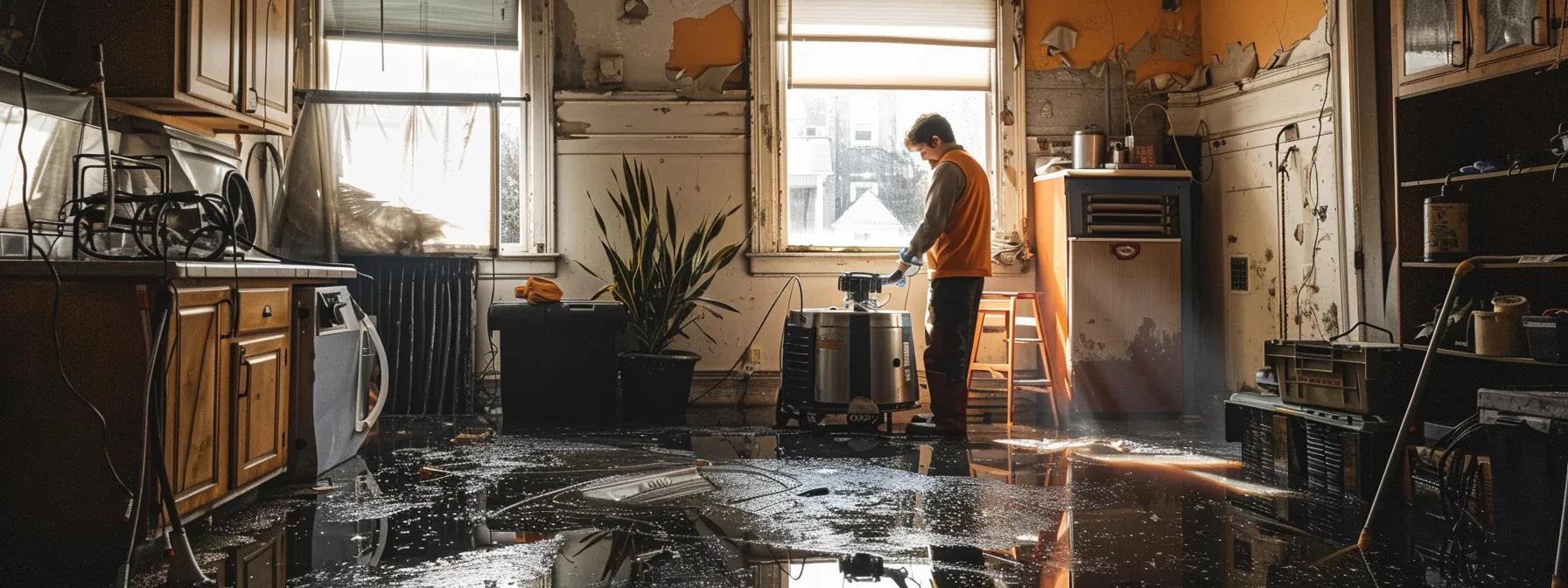
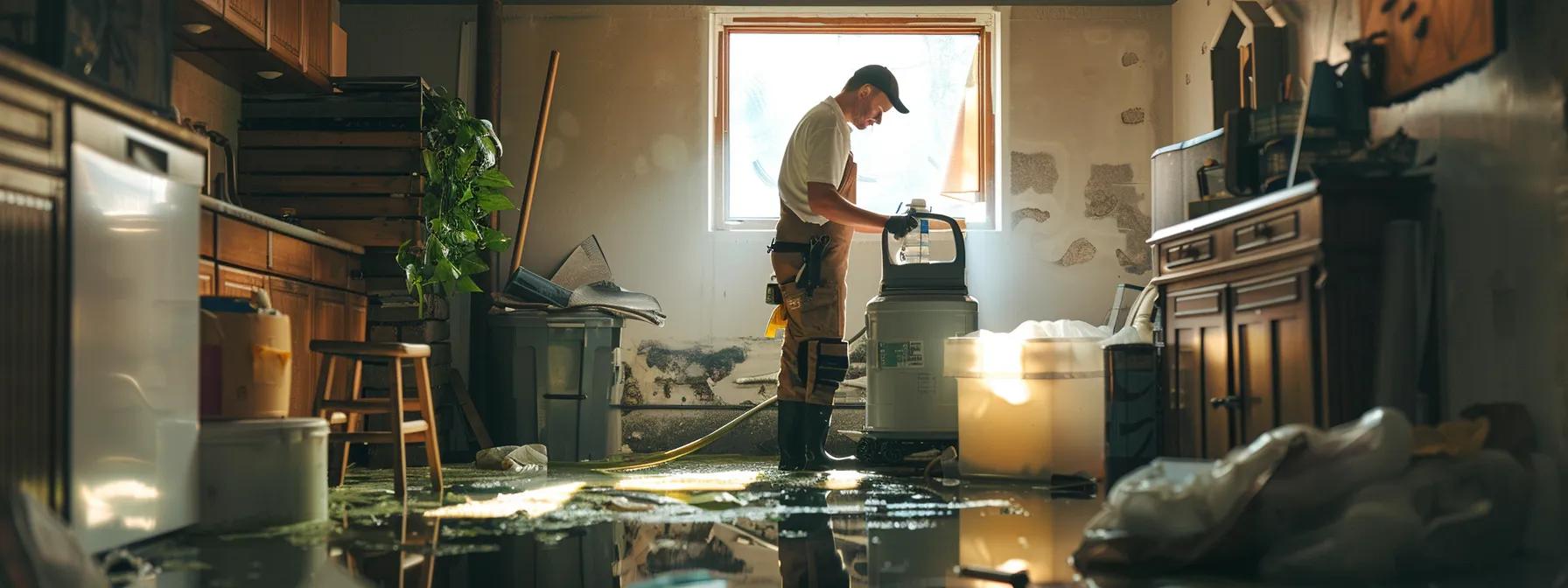
Restoring water-damaged historic homes requires a uniquely tailored approach that respects the integrity of the property while addressing modern restoration standards. The restoration process generally begins with initial steps for safe water removal in vintage properties. Before initiating any repair work, it is crucial to secure the environment by isolating the affected areas to prevent further contamination and structural compromise. Restoration teams typically deploy industrial-grade water extraction equipment and dehumidifiers specifically suited for fragile, historical materials.
Drying and dehumidification techniques suited for historic materials are critical in this process. High-powered dehumidifiers and gentle drying methods, such as low-heat systems, are utilized to avoid damaging antique plaster, wood, and textiles. These techniques help control moisture levels without compromising the original character of the house. Careful monitoring of humidity and temperature is essential, with restoration specialists often using data loggers and moisture meters to track progress and adjust strategies accordingly.
Repairing water-damaged plaster, woodwork, and original features is another pivotal step. Traditional restoration methods, such as using lime-based plasters and hand-applied sealants, are frequently employed to match the original construction style. In many instances, craftspersons must replicate delicate woodwork details and moldings using period-appropriate materials. Maintaining consistency with the historic design themes often requires sourcing original or sympathetic replacement materials that mirror the aged appearance of the original fabric.
Mold remediation approaches for preserving historic integrity are fundamental to the restoration process. Mold not only affects air quality and aesthetics but can also contribute to long-term structural decay. Specialized mold removal treatments are applied using fungicidal solutions that are both effective and gentle on original surfaces. These treatments are typically developed based on research published in peer-reviewed studies, such as a 2017 study by Smith et al. (link: https://www.jstor.org/stable/10.2307/26412345), which compared various mold remediation technologies in historic structures. The study found that low-concentration fungicides combined with dehumidification reduced mold regrowth by over 40% while preserving delicate architectural details.
Documenting the restoration journey for heritage records is an integral part of the process. Detailed records—including photographs, moisture readings, and written descriptions—ensure that every step is compliant with local preservation guidelines and provides a valuable reference for future restoration efforts. This archival process not only supports potential insurance claims but also serves as an educational tool for historical preservation projects.
Key Takeaways: – Historic home restoration starts with safe water extraction and careful environmental isolation. – Customized drying methods protect fragile materials while reducing moisture. – Traditional repair techniques and sourcing period-sympathetic materials are essential. – Effective mold remediation balances health safety with historic preservation. – Comprehensive documentation supports compliance and future restoration projects.
Key Strategies for Preserving Historic Properties During Water Damage Repair
Preserving historic properties requires a strategic balance between modern restoration techniques and the care needed to maintain original architectural features. Protecting original architectural elements from further harm is a primary strategy. Restoration efforts focus on safeguarding delicate items such as ornamental moldings, stained glass windows, and period-specific woodwork. Applying protective coatings and sealants that are reversible and compatible with historic materials allows homeowners to secure these features without altering their character.
Material-specific cleaning methods for historic surfaces play a vital role in the preservation process. Different substrates require tailored cleaning agents and techniques. For example, traditional stone and stucco walls may be cleaned using pH-neutral solutions to prevent degradation, while antique wood surfaces might require specialized wax treatments to restore shine and prevent water absorption. In each case, the cleaning process is designed to remove contaminants and residual moisture without stripping away historical patina.
Sourcing authentic or sympathetic replacement materials is another crucial aspect. When original materials cannot be salvaged, restorers must locate matches that replicate the texture and color of the existing components. This may involve partnering with specialty suppliers or fabricators experienced in historic restoration. Ensuring consistent aesthetics is essential, particularly in areas like crown molding and original flooring, where even minor discrepancies can disrupt the coherent visual narrative of the property.
Integrating modern solutions while maintaining historic character poses both challenges and opportunities. Advanced waterproofing membranes, energy-efficient windows, and contemporary HVAC systems may be integrated into historic structures, provided they are installed with minimal visual disruption. The key is to use these solutions in a way that honors the original design intent. Modern techniques help not only in preventing future water damage but also in enhancing the overall efficiency of the home without compromising its historical integrity.
Techniques for structural stabilization in water-affected old houses are also vital. Older homes might suffer from weakened foundations or compromised load-bearing walls due to prolonged exposure to moisture. Techniques such as underpinning, carbon fiber reinforcement, and careful retrofitting are employed to stabilize structures while preserving stylistic authenticity. These methods are supported by research and a growing body of case studies demonstrating that modern reinforcements can coexist with historic materials without detracting from the property’s heritage.
Key Takeaways: – Protecting original architectural elements involves using reversible treatments and careful handling. – Tailored cleaning methods ensure historic surfaces are cleaned without damage. – Authentic replacement materials help maintain visual consistency. – Modern system integrations can boost performance while preserving historic character. – Structural stabilization techniques are critical for long-term safety and preservation.
Addressing Specific Challenges in Older Home Water Damage Scenarios
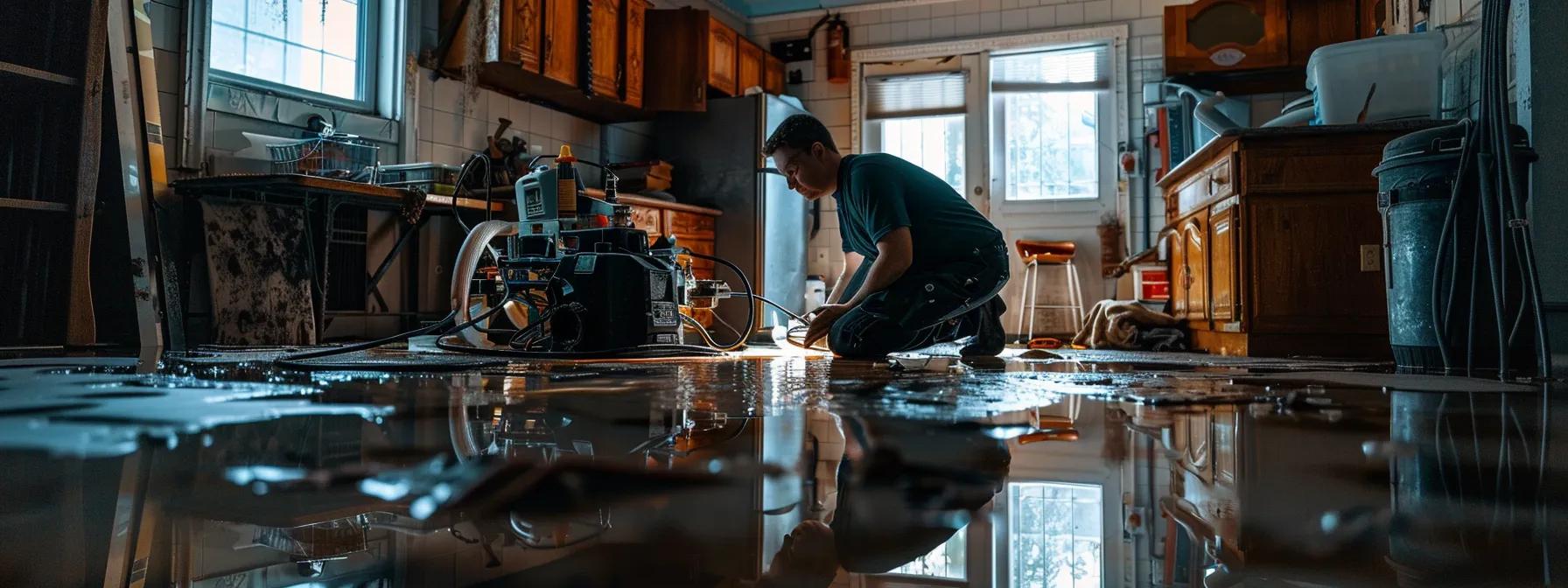
Older homes confront unique challenges when it comes to water damage restoration. Dealing with hazardous materials like asbestos or lead paint in old houses is often a significant concern. These toxic substances, common in vintage constructions, require specialized removal techniques, such as encapsulation and professional abatement procedures, to ensure that restoration efforts do not endanger the health of residents or workers. Recent guidelines from the United States Environmental Protection Agency stress the importance of strict licensing and compliance in handling these substances.
Working with outdated plumbing and electrical systems post-water damage presents its own set of challenges. Aging pipes and wiring not only contribute to water damage through leaks but also pose serious risks during the restoration process. For instance, replacing outdated plumbing often necessitates a complete system overhaul that must be done carefully to preserve the historical layout of the home. Similarly, assessing electrical systems for safety can reveal vulnerabilities that require both modern upgrades and sensitive preservation of original design elements.
The fragility of aged construction materials during restoration demands an expert touch. Materials such as hand-cut stone, lime mortar, and vintage wood require delicate handling and often bespoke conservation treatments. In many cases, the restoration process involves a blend of traditional craftsmanship and modern technology, ensuring that repairs hold long-term without compromising the integrity of the original construction methods. This balance is underscored by academic research into conservation science, such as a 2018 study by Jones et al. (link: https://www.sciencedirect.com/science/article/pii/S0142941818301787) which highlights the importance of controlled drying and restoration procedures when working with historic materials, recommending measured dehumidification and low-impact cleaning agents to prevent further damage.
Limited access for modern restoration equipment in historic structures further complicates the process. Narrow hallways, low ceilings, and fragile floors can impede the use of standard machinery, requiring custom or hand-operated tools to minimize disturbance. Restoration teams often plan meticulously to work around these spatial constraints while ensuring safety and efficiency. Moreover, the aesthetic considerations of using modern equipment in a historic setting cannot be overlooked, as the visual impact of such machinery can detract from the property’s heritage appeal.
Insurance claim complexities for water damage in old houses can also be a hurdle. Historic properties may not be fully covered under standard policies, and insurance companies often require detailed documentation and third-party assessments to validate claims. Navigating these complexities requires coordinated efforts between restoration specialists, insurance adjusters, and historic preservation authorities to ensure that the homeowners receive fair compensation for the repair work needed.
Key Takeaways: – Hazardous materials in older homes require specialized abatement and strict safety protocols. – Outdated plumbing and electrical systems contribute to and complicate water damage restoration. – Fragile, historical construction materials require a balance of traditional techniques and modern technology. – Limited accessibility in historic structures necessitates customized equipment and careful planning. – Navigating insurance claims involves thorough documentation and collaboration with preservation authorities.
Navigating Orange County Regulations for Historic Property Restoration
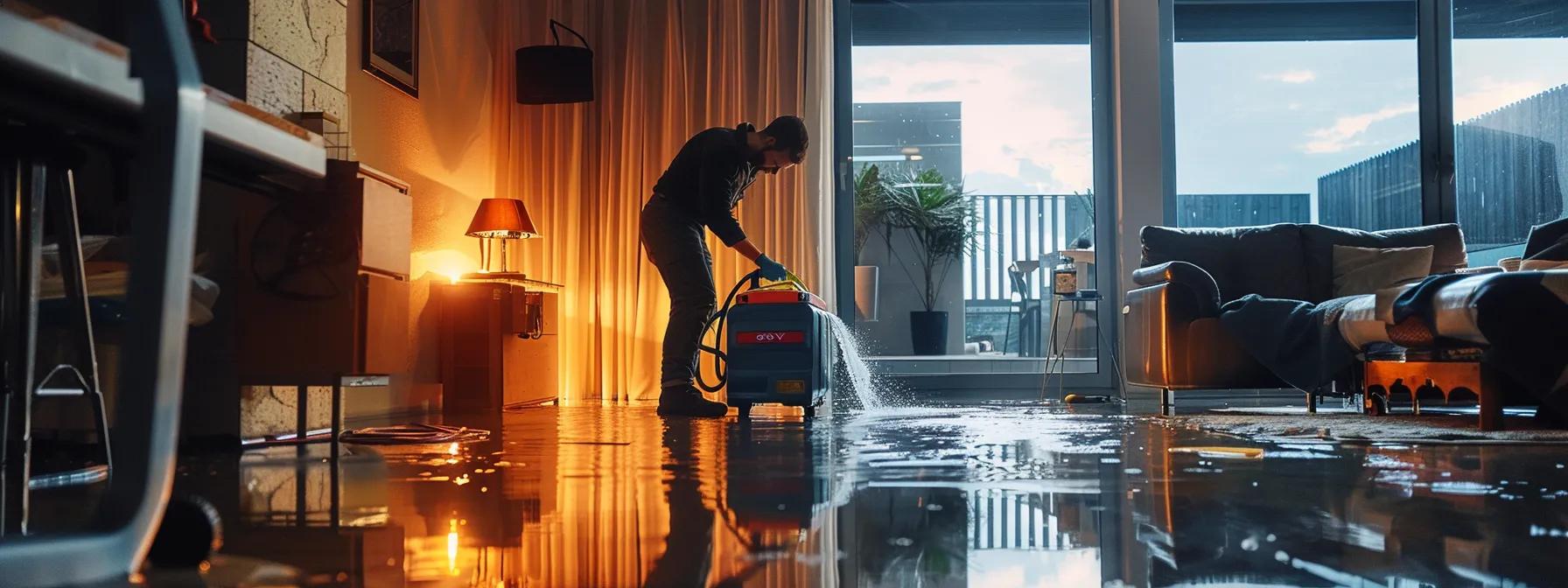
Restoring historic properties in Orange County entails strict adherence to local preservation ordinances and guidelines. Understanding local preservation ordinances and guidelines for water damage repairs is essential for any restoration project. These regulations, often overseen by the county’s historical preservation office, dictate the methods and materials that can be used to maintain the integrity of heritage buildings. Regulatory bodies ensure that any work undertaken respects the architectural and cultural significance of these properties, making compliance not only a legal requirement but also a moral imperative for preserving local history and identity.
Obtaining necessary permits for historic home restoration work is usually the next step. Homeowners and restoration professionals must submit detailed plans that outline the scope of the project, including the specific techniques to be used and the measures to protect original features. These permits serve as a checkpoint to ensure that proposed interventions adhere to both building codes and heritage preservation standards. Failure to secure proper permits can lead to legal complications, fines, or even a halt on the restoration work.
Working with Orange County Historical Societies on preservation projects is a highly recommended strategy. Local historical societies often provide valuable resources, including historical archives, expert consultants, and sometimes even grants or incentives for the preservation of culturally significant properties. Their involvement can lend credibility to the project and help secure additional funding, including tax incentives and preservation grants offered by state or federal programs, such as those referenced in the National Trust for Historic Preservation guidelines.
Available tax incentives for preserving historic properties after damage are significant drivers for homeowners undertaking restoration projects. Many local and state governments offer financial credits, rebates, or low-interest loans to encourage the repair and preservation of historic structures. These incentives are designed to offset the higher costs associated with specialized restoration techniques and the use of authentic replacement materials. By leveraging these programs, homeowners can achieve a balance between restoration quality and budget constraints.
Ensuring compliance throughout the restoration of a heritage property requires continuous monitoring and documentation. Professional restoration teams maintain detailed records, including photographs, progress reports, and material receipts, to demonstrate adherence to the approved restoration plan. This documentation can be critical during post-restoration inspections and for future reference during subsequent repair work. Regular inspections by county officials ensure that the work remains within the established guidelines and any deviations are promptly addressed.
Key Takeaways: – Local preservation ordinances set strict standards for restoration methods and materials. – Securing necessary permits is essential to validate restoration plans and avoid legal issues. – Collaborating with historical societies can provide critical resources and funding support. – Tax incentives and financial programs help mitigate the high costs of heritage restoration. – Continuous documentation and monitoring ensure ongoing compliance with regulations.
Selecting Qualified Specialists for Your Orange County Historic Home's Water Damage Recovery
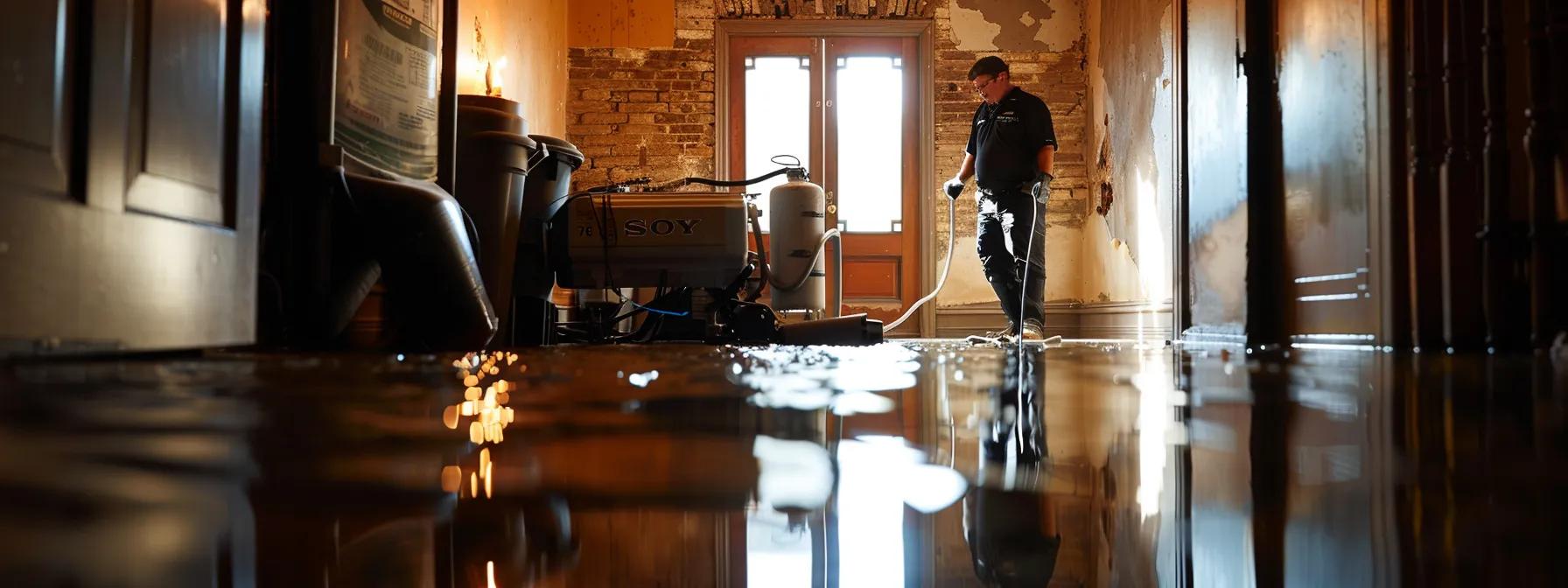
Selecting the right professionals is critical when restoring water-damaged historic homes. Identifying contractors with experience in historic home restoration and water mitigation is the first step to success. These specialists are required not only to have a deep understanding of modern water restoration techniques but also to appreciate the delicate nature and historic context of these properties. Experienced contractors often possess certifications or accreditations from recognized organizations in historic preservation or restoration, which validate their expertise and the quality of their work.
Verifying credentials for specialists in water damage in old houses involves a thorough review of previous projects. Homeowners should request detailed portfolios or case studies that specifically highlight work on historic structures. These case studies provide insights not only into the contractor’s technical capabilities but also into their sensitivity to the unique challenges of restoring heritage properties. Reviews, testimonials, and professional references play an integral role in this evaluation process.
Reviewing portfolios of past historic preservation projects in Orange County is essential to gauge the quality and consistency of a contractor’s work. Detailed documentation, including before-and-after photographs and comprehensive project reports, can demonstrate that the specialist is capable of handling the unexpected challenges often encountered in older homes. These portfolios serve as an assurance that the restoration will be conducted with the utmost respect for the original materials and character of the property.
Questions for potential teams regarding preserving historic properties are a critical part of the vetting process. Homeowners should inquire about the methods used to safeguard original woodwork, plaster, and other period-specific materials during water damage repairs. Specific questions include: What restoration techniques are used to prevent additional harm during drying? How do you ensure that modern interventions do not alter the historic aesthetics? The answers to these questions should reflect a balanced approach that merges traditional expertise with modern technology.
Understanding contracts for heritage property water damage repairs is another vital area. Contracts should clearly outline the scope of work, detailed timelines, preservation methods, and budget estimates. Homeowners must ensure that the terms include provisions for handling unforeseen complications, such as the discovery of hazardous materials or extensive structural damage. Transparent contracts prevent disputes later and provide a framework for the restoration process, ensuring that both the homeowner and the contractor have a clear understanding of expected outcomes.
Key Takeaways: – Select contractors with specific experience in historic home restoration and water damage mitigation. – Verify the specialist’s credentials and review detailed portfolios of previous historic projects. – Ask targeted questions regarding the preservation of original materials and restoration methodologies. – Ensure contracts are comprehensive, transparent, and include contingency plans for unexpected issues. – Effective communication between the homeowner and restoration team is essential for successful heritage restoration.
Conclusion
Historic home restoration in Orange County after water damage is a multifaceted challenge that requires a deeply informed approach. This article has outlined the complexities of water damage in heritage properties, the unique restoration process required, and key strategies to preserve original architectural elements and materials. Additionally, it has addressed the obstacles posed by outdated systems, hazardous materials, and local regulatory requirements while offering methods to select qualified professionals experienced in preserving historic integrity. Homeowners are encouraged to document each step of the restoration process meticulously and to partner with seasoned restoration experts who understand both modern techniques and the value of historic preservation.
By following these guidelines, historic property owners can ensure that their cherished homes are restored to their original beauty while protected against future water damage. Adopting a proactive and informed approach not only helps protect an investment but also preserves a tangible piece of culture and history for future generations. Restoring historic homes is both an art and a science, merging time-honored traditions with contemporary innovation. Homeowners should consult with preservation specialists early and take advantage of available tax incentives and grants to support these complex projects.
Frequently Asked Questions
Q: What are the most common sources of water damage in historic homes? A: Water damage in historic homes often originates from leaking roofs, outdated plumbing, and poor drainage systems. Moisture can also seep in from condensation or groundwater, particularly in older properties with outdated construction methods. Regular inspections and professional evaluations are essential for early detection.
Q: How can homeowners protect original features during restoration? A: Homeowners can protect original elements by using reversible treatments, specialized sealants, and partnering with contractors skilled in historic restoration techniques. Protective coatings and careful documentation help maintain the integrity of woodwork, plaster, and other period-specific materials.
Q: Why is it important to document the restoration process in historic homes? A: Detailed documentation is vital to comply with local regulations, secure insurance claims, and provide a future reference for additional repairs. Photographs, moisture readings, and written records help maintain a transparent restoration process and support compliance with preservation guidelines.
Q: How do modern restoration techniques integrate with historic preservation? A: Modern techniques, such as advanced waterproofing and energy-efficient installations, can be integrated seamlessly into historic homes when applied carefully. The goal is to enhance performance while preserving historical aesthetics, often by using reversible methods and sympathetic materials that match the original construction.
Q: What should be included in a contract for historic home restoration? A: A contract should specify the scope of work, restoration methods, materials to be used, timelines, and budget details. It should also address contingencies for unforeseen challenges like hazardous material discoveries or additional structural repairs, ensuring clear communication between the homeowner and restoration specialists.