Can You Sell a Fire Damaged House?
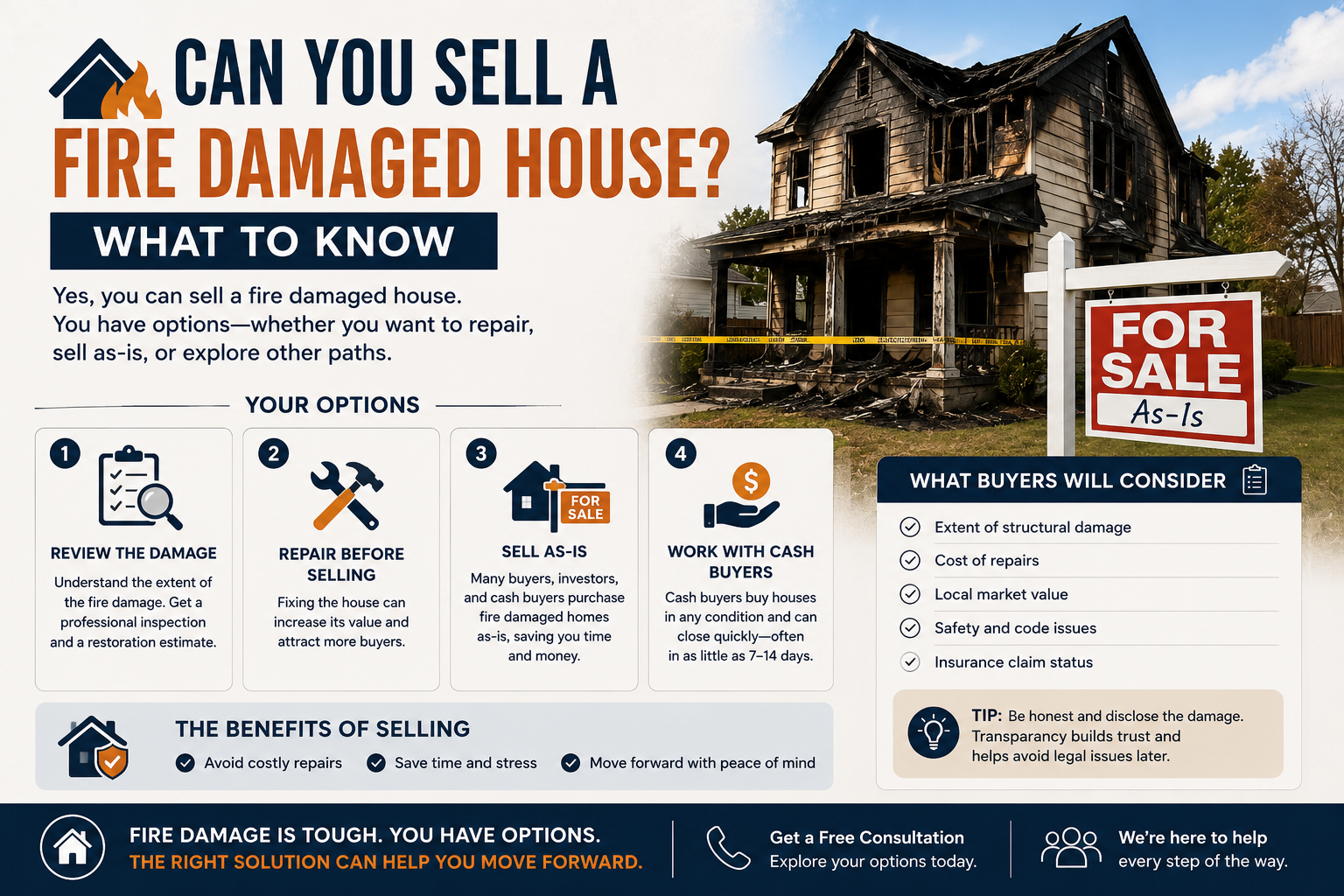
If you are asking, can you sell a fire damaged house, the short answer is yes. Many homeowners sell homes after a fire every year. Some repair the damage before listing, while others sell the property as-is. Understanding your options is important before making a decision. If your home has major damage, learning about fire damage restoration services can help you decide whether repairing the home first will increase its value.
Every home is different. The amount of fire damage, smoke damage, water damage from firefighting efforts, and your local real estate market all play a role. This guide explains everything you need to know before selling a fire-damaged property.
Can You Sell a Fire Damaged House?
Yes, you can legally sell a fire-damaged house in most cases.
A house does not have to be perfect to be sold. Buyers purchase damaged homes for many reasons. Some want to renovate the property. Others are investors looking for homes they can repair and resell.
The key is being honest about the property’s condition. Most states require sellers to disclose known damage, including damage caused by fire.
Whether you repair the home first or sell it as-is depends on your budget, timeline, and goals.
What Happens to a House After a Fire?
Fire can affect much more than what you see.
Structural Damage
High heat can weaken:
- Roof framing
- Floor joists
- Support beams
- Walls
- Foundation materials
A structural engineer or licensed contractor should inspect the home before major decisions are made.
Smoke Damage
Smoke travels throughout the home, even into rooms that never burned.
Smoke residue can damage:
- Drywall
- Paint
- Furniture
- HVAC systems
- Cabinets
- Flooring
Professional smoke removal helps improve indoor air quality and removes harmful soot particles.
Water Damage
Firefighters use large amounts of water to stop a fire.
That water can cause:
- Mold growth
- Wet insulation
- Warped flooring
- Damaged drywall
- Wood rot
Many fire-damaged homes also need water damage restoration before they can be safely occupied.
Should You Repair the Home Before Selling?
There is no single right answer.
Benefits of Repairing First
Repairing the home may:
- Increase property value
- Attract more buyers
- Help qualify for traditional financing
- Reduce buyer concerns
A restored home often sells faster than one with visible damage.
Benefits of Selling As-Is
Selling as-is can:
- Save repair costs
- Avoid long construction timelines
- Help homeowners move quickly
- Reduce stress
Many investors actively look for fire-damaged homes because they plan to renovate them.
How Fire Damage Affects Home Value
Fire damage almost always lowers a home’s market value.
The amount depends on factors such as:
- Size of the fire
- Structural damage
- Smoke damage
- Water damage
- Neighborhood
- Local housing market
- Repair costs
Minor kitchen fires may have little effect after repairs. Major structural fires often reduce property value much more until restoration is complete.
What Buyers Want to Know
Most buyers ask similar questions before making an offer.
Was the Fire Fully Repaired?
Buyers want proof that repairs were completed correctly.
Helpful documents include:
- Restoration invoices
- Inspection reports
- Building permits
- Insurance paperwork
- Contractor warranties
These records help build buyer confidence.
Is There Hidden Damage?
Fire damage is not always visible.
Professional inspections can identify hidden problems like:
- Smoke inside walls
- Electrical damage
- Weak framing
- Mold
- HVAC contamination
Providing inspection reports helps buyers understand the home’s condition.
Can You Sell a Fire Damaged House As-Is?
Yes.
Many homeowners choose this option.
Selling as-is means you are selling the home in its current condition without completing repairs.
The buyer accepts responsibility for future repairs after closing.
This option often works well if:
- Repair costs are too high.
- Insurance money is limited.
- You want to move quickly.
- You inherited the property.
- The house has severe damage.
Do You Have to Tell Buyers About Fire Damage?
Yes, in most states.
Seller disclosure laws usually require homeowners to report known material defects.
That includes:
- Fire damage
- Smoke damage
- Water damage
- Mold
- Structural repairs
- Insurance claims
Being honest protects both the seller and the buyer.
Failing to disclose known damage could create legal problems after the sale.
Does Insurance Affect Selling the Home?
Insurance can play a major role.
If your homeowners insurance covered the fire, you may receive money for repairs.
Some homeowners:
- Complete all repairs before selling.
- Use part of the insurance money.
- Sell before repairs begin.
Keep records of:
- Insurance estimates
- Claim payments
- Repair invoices
- Inspection reports
These documents can answer buyer questions during the sale process.
Can Restoration Increase Your Selling Price?
In many cases, yes.
Professional restoration helps return the home to a safe and livable condition.
Restoration may include:
Fire Damage Cleanup
Professionals remove burned materials, damaged drywall, and debris.
Smoke Odor Removal
Special equipment removes smoke odors trapped in walls, flooring, and furniture.
Water Damage Restoration
Drying equipment prevents mold growth after firefighting efforts.
Structural Repairs
Damaged framing, roofing, drywall, insulation, and flooring are repaired or replaced.
The better the home’s condition, the more buyers may be willing to pay.
What Should You Do Before Listing a Fire-Damaged House?
Preparing the home helps buyers feel more comfortable.
Get a Professional Inspection
An inspection identifies safety issues and repair needs.
Gather Important Documents
Collect:
- Insurance paperwork
- Repair estimates
- Restoration reports
- Inspection reports
- Building permits
Improve the Home’s Appearance
Even if selling as-is, simple cleanup can make a difference.
Remove debris, clean the yard, and secure damaged areas.
First impressions matter.
Common Challenges When Selling a Fire-Damaged Home
Selling a damaged property may take more work than selling a home in good condition.
Some common challenges include:
Financing
Some lenders will not finance homes with major fire damage.
Cash buyers are often more common for heavily damaged homes.
Buyer Concerns
Buyers may worry about:
- Hidden structural damage
- Smoke odors
- Mold
- Future repair costs
Providing professional inspection reports helps answer many of these concerns.
Lower Offers
Many buyers factor repair costs into their offers.
Understanding your home’s condition before listing helps you negotiate more confidently.
When Should You Restore Instead of Sell?
Restoration may be the better choice if:
- Damage is limited.
- Insurance covers most repairs.
- You want maximum resale value.
- The local housing market is strong.
- Repairs can be completed quickly.
A fully restored home often attracts more buyers than one needing major work.
How Preferred Restoration Services Can Help
Preferred Restoration Services helps homeowners recover after fire damage with professional restoration solutions.
Their team can inspect fire, smoke, and water damage to determine what repairs are needed. They use specialized equipment to clean soot, remove smoke odors, dry water-damaged materials, and restore damaged areas of the home. Professional restoration can improve safety, protect your investment, and help prepare your property for the real estate market.
Whether you decide to stay in your home or sell it, having experienced restoration professionals evaluate the damage can help you make a more informed decision.
Final Thoughts
If you’re wondering, can you sell a fire damaged house, the answer is yes. Many homeowners successfully sell fire-damaged properties every year. You can choose to repair the damage first or sell the home as-is.
Before listing your property, understand the extent of the damage, gather inspection reports, review your insurance information, and follow your state’s disclosure requirements. If restoration makes financial sense, professional repairs may increase your home’s value and attract more buyers.
Making an informed decision today can help you achieve a smoother sale tomorrow.
Frequently Asked Questions
Can you legally sell a fire damaged house?
Yes. In most cases, you can legally sell a fire-damaged house as long as you follow your state’s disclosure laws and inform buyers about known damage.
Is it better to repair fire damage before selling?
It depends. Repairs may increase your home’s value, while selling as-is may help you sell faster without paying for restoration.
Will insurance pay for fire damage repairs before selling?
If your homeowners insurance covers the fire, your policy may pay for some or all restoration costs, depending on your coverage and claim.
Can smoke damage lower a home’s value?
Yes. Smoke odors, soot, and hidden damage can reduce buyer interest and lower the property’s market value until properly restored.
How long does fire damage restoration take?
The timeline depends on the amount of damage. Minor restoration may take several days, while major structural repairs can take several weeks or months.