Washing Machine Overflow Cleanup: A Step-by-Step Guide
A washing machine overflow can send gallons of water across your laundry room in minutes. Fast action can limit damage to floors, walls, cabinets, and nearby rooms. For serious flooding, professional Orange County water damage restoration can help remove hidden moisture and dry the affected area safely.
First, stop the water and turn off the machine. Then protect yourself from electrical risks. Once the area is safe, begin removing standing water. This guide explains each step of washing machine overflow cleanup and when expert help may be needed.
What Should You Do When a Washing Machine Overflows?
Act quickly, but do not rush into an unsafe area. Water near outlets, cords, or electrical appliances can cause electric shock.
Turn Off the Washing Machine
Press the stop or power button if you can reach it without stepping into water. Do not touch the machine if water is near the electrical cord or wall outlet.
If the plug and outlet are dry, unplug the washing machine. If they are wet, leave them alone and turn off power at the circuit breaker instead.
Shut Off the Water Supply
Most washing machines have two water supply valves behind the unit. One controls hot water, and the other controls cold water.
Turn both valves clockwise until they are fully closed. If you cannot reach them safely, shut off the main water supply to the home.
Stopping the water source is the most important first step. Cleanup cannot begin until new water stops entering the room.
Keep People and Pets Away
Keep children and pets away from the flooded area. Wet floors can be slippery, and dirty water may contain soap, dirt, bacteria, or wastewater.
Place towels or barriers near doorways to keep water from spreading while you prepare for cleanup.
Why Do Washing Machines Overflow?
A washing machine can overflow for several reasons. Finding the cause helps prevent another flood.
A Clogged or Slow Drain
A washing machine drain line must move water out faster than the machine releases it. When the drain is blocked, water can rise out of the standpipe and flood the room.
Lint, soap buildup, dirt, hair, and small pieces of fabric may block the drain. A deeper plumbing clog may also slow the flow of water.
A Loose or Broken Drain Hose
The drain hose carries used water from the machine into a standpipe or utility sink. If the hose comes loose, water may pour directly onto the floor.
A cracked, split, or pinched hose can also leak during the drain cycle. Check the full length of the hose for damage.
A Failed Water Inlet Valve
The water inlet valve controls how much hot and cold water enters the washer. If the valve sticks open, the machine may keep filling even after it reaches the proper level.
This problem may require appliance repair or valve replacement.
A Faulty Water-Level Sensor
Washing machines use a pressure switch or water-level sensor to tell the machine when to stop filling. If this part fails, the tub may continue filling until water spills over the top.
Too Much Detergent
Using too much laundry detergent can create heavy foam. The foam may rise from the tub or push water into areas where it should not go.
High-efficiency washing machines need high-efficiency detergent. Always use the amount listed in the washer’s manual.
An Unbalanced or Overloaded Machine
Heavy or uneven loads may cause water to splash from the tub. Overloading can also place stress on hoses, seals, pumps, and other parts.
How Do You Clean Up a Washing Machine Overflow?
Once the power and water are safely turned off, begin the water removal process.
Take Photos Before Cleanup
Take clear photos and videos of the washing machine, standing water, wet floors, damaged walls, and affected belongings.
These records may help if you file a homeowners insurance or renters insurance claim. Do not delay emergency water removal just to collect more pictures.
Remove Standing Water
Use towels, mops, buckets, or a wet-dry vacuum to remove water. Never use a standard household vacuum on wet surfaces.
Start at the edge of the flooded area and work toward the deepest water. Empty the wet-dry vacuum often so it continues working well.
If there are several inches of water or multiple flooded rooms, professional water extraction equipment may be needed.
Move Wet Items
Remove rugs, laundry baskets, cardboard boxes, shoes, clothing, and other wet belongings. Place washable items in plastic bins or take them outdoors to dry.
Cardboard, paper, and some pressed-wood products may be hard to save after they become soaked.
Do not place wet items in an unaffected room. This may spread moisture and raise indoor humidity.
Clean the Floor
After removing standing water, wash the floor with warm water and a mild cleaning product that is safe for the surface.
Do not mix cleaning chemicals. Mixing bleach with ammonia, acids, or other products can create dangerous fumes.
Rinse away detergent, dirt, and residue. Soap left on the floor can make it slippery and may hold moisture.
How Do You Dry the Laundry Room?
A floor may look dry while moisture remains below it. Water can move under baseboards, cabinets, flooring, and walls.
Use Fans and Dehumidifiers
Place air movers or household fans around the affected area. Aim them across wet surfaces rather than straight down.
Run a dehumidifier to pull moisture from the air. Close nearby doors and windows while using the dehumidifier unless outdoor air is much drier.
Empty the water tank as needed or connect a drain hose if the unit allows it.
Improve Airflow
Open cabinet doors and remove drawers so air can reach hidden spaces. Move the washing machine only if it is safe and the water lines have been turned off.
Do not place a fan near an unsafe electrical outlet. Use grounded outlets and keep cords away from wet areas.
Check Baseboards and Drywall
Drywall can soak up water from the floor. Look for swelling, bubbling paint, soft spots, stains, or peeling material.
Wet baseboards may pull away from the wall or begin to warp. Removing damaged trim can help the wall cavity dry, but demolition should be completed carefully.
Monitor Moisture Levels
A moisture meter can help find damp areas that are not easy to see. Restoration professionals also use thermal imaging cameras, air movers, dehumidifiers, and moisture testing tools.
The drying process is not complete just because the surface feels dry.
Can a Washing Machine Overflow Cause Mold?
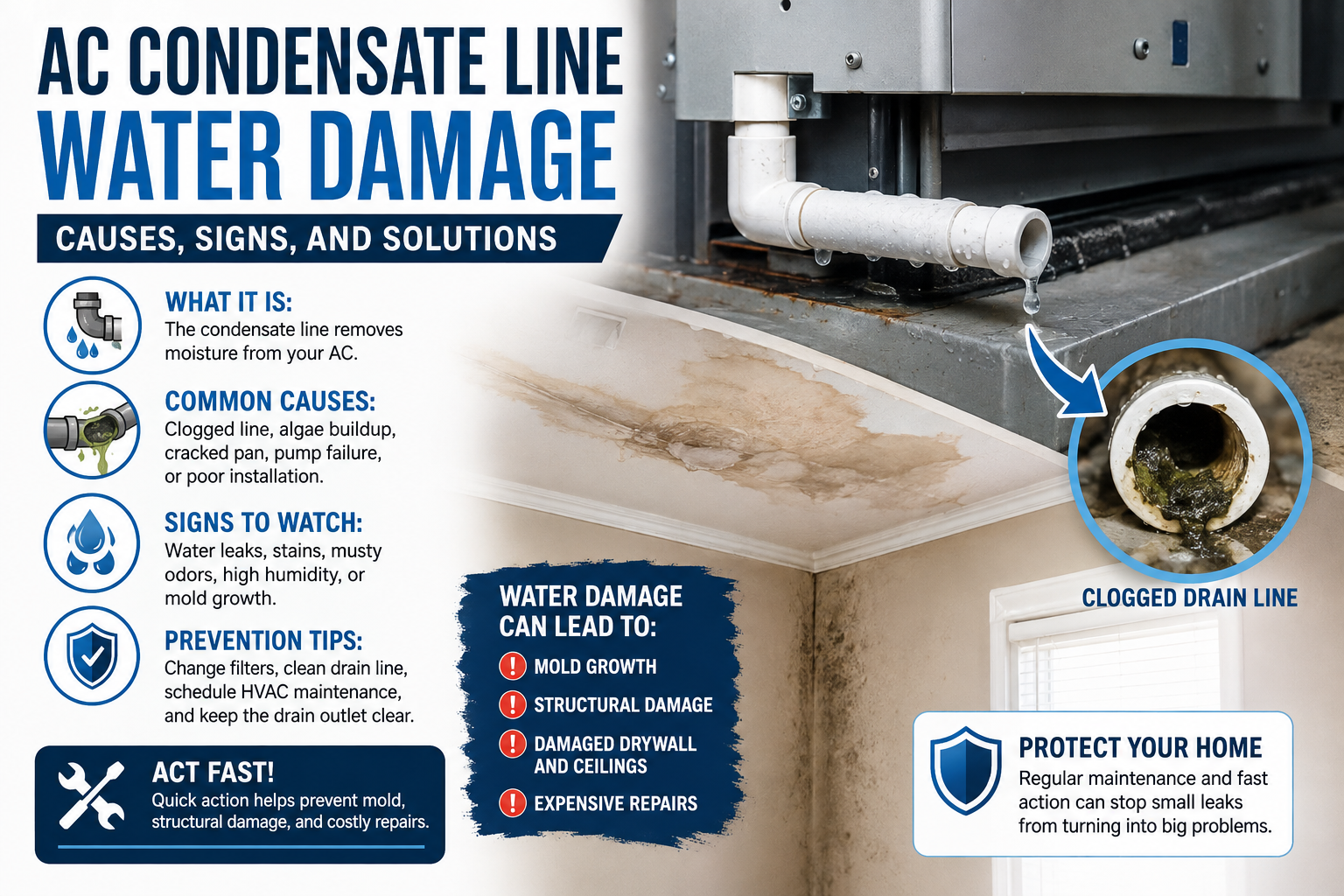
Yes. Mold may begin growing when building materials stay damp for too long. Warm rooms with poor airflow may develop mold faster.
Common Places Mold May Grow
Mold may grow:
Behind the washing machine
Under vinyl, laminate, or wood flooring
Beneath baseboards
Inside drywall
Under cabinets
In wall insulation
Around the drain pan
Beneath wet rugs or storage boxes
A musty smell may be an early sign of hidden moisture or microbial growth.
How to Lower the Risk of Mold
Start drying as soon as it is safe. Remove standing water, lower indoor humidity, and check hidden spaces.
Porous materials that remain wet may need to be removed. These can include drywall, insulation, carpet padding, particleboard, and some types of flooring.
Do not paint over wet or moldy materials. Paint may hide the problem without stopping growth.
Is Washing Machine Water Clean or Contaminated?
The level of contamination depends on where the water came from.
Water From a Supply Line
Water from a broken hot or cold supply hose may begin as clean water. However, it can become contaminated after touching dirty floors, laundry products, pet waste, or other materials.
Water From the Washer Tub
Water from the tub may contain detergent, dirt, body oils, cleaning products, and germs from clothing. It should not be treated as drinking-quality water.
Water From a Sewer Backup
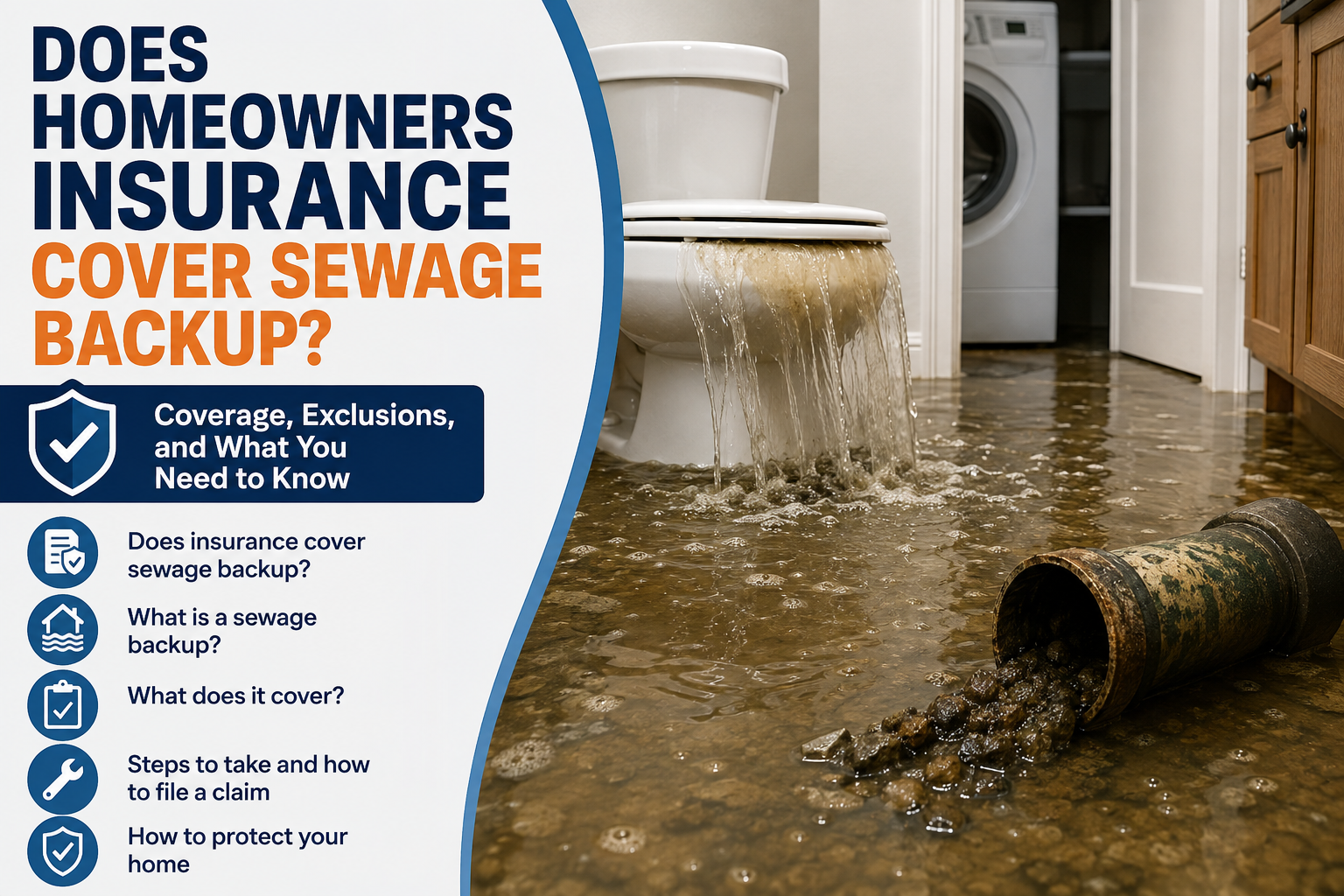
If water came back through the drain and contains sewage, it may be highly contaminated. Avoid contact with the water and do not use household fans that could spread contaminated particles.
Professional cleanup is strongly recommended for sewage backups or black water.
Can You Save Flooring After a Washer Overflow?
The answer depends on the flooring material, the amount of water, and how long it stayed wet.
Tile Flooring
Ceramic and porcelain tile may survive a small overflow. However, water can travel through grout lines and reach the subfloor.
Loose tiles, damp grout, or musty odors may point to moisture underneath.
Vinyl Flooring
Sheet vinyl may trap water below the surface. Luxury vinyl planks are water-resistant, but water may still pass through seams and collect beneath them.
Some flooring may need to be lifted so the subfloor can dry.
Laminate Flooring
Laminate often swells after absorbing water. Raised edges, bubbles, separation, or soft areas may mean the flooring cannot be saved.
Hardwood Flooring
Hardwood may cup, crown, warp, or stain after water exposure. Fast structural drying can improve the chance of saving it.
Do not sand or refinish hardwood until moisture levels return to a safe range.
Carpet and Padding
Clean-water spills may be treated if extraction begins quickly. Carpet padding often holds large amounts of moisture and may need removal.
Carpet affected by contaminated drain water may need to be discarded.
Does Homeowners Insurance Cover a Washing Machine Overflow?
Homeowners insurance may cover sudden and accidental water damage, such as damage caused by a hose that breaks without warning.
A policy may not cover long-term leaks, poor maintenance, worn parts, or damage to the washing machine itself. Coverage depends on the policy, cause of loss, and insurance carrier’s findings.
What to Document for a Claim
Save the following information:
Photos and videos of the damage
The damaged hose or appliance part
Cleanup and repair receipts
A list of damaged belongings
Moisture inspection reports
Plumber or appliance repair notes
Dates and times related to the loss
Contact the insurance company quickly. Ask what emergency steps you are allowed to take before an adjuster visits.
When Should You Call a Water Damage Professional?
A small spill on a sealed tile floor may be handled with towels, a wet-dry vacuum, fans, and a dehumidifier.
Professional washing machine overflow cleanup may be needed when:
Water entered more than one room
Water reached drywall or insulation
Flooring is lifting, swelling, or buckling
Water moved under cabinets
The ceiling below the laundry room is wet
The overflow happened upstairs
Water came from a backed-up drain
There is a strong musty smell
Mold is visible
The water sat for many hours
Electrical systems may be affected
You cannot confirm that hidden areas are dry
Water damage professionals can perform extraction, moisture mapping, structural drying, cleaning, and damaged material removal.
How Can You Prevent Another Washing Machine Overflow?
Simple maintenance can lower the chance of another laundry room flood.
Inspect the Hoses
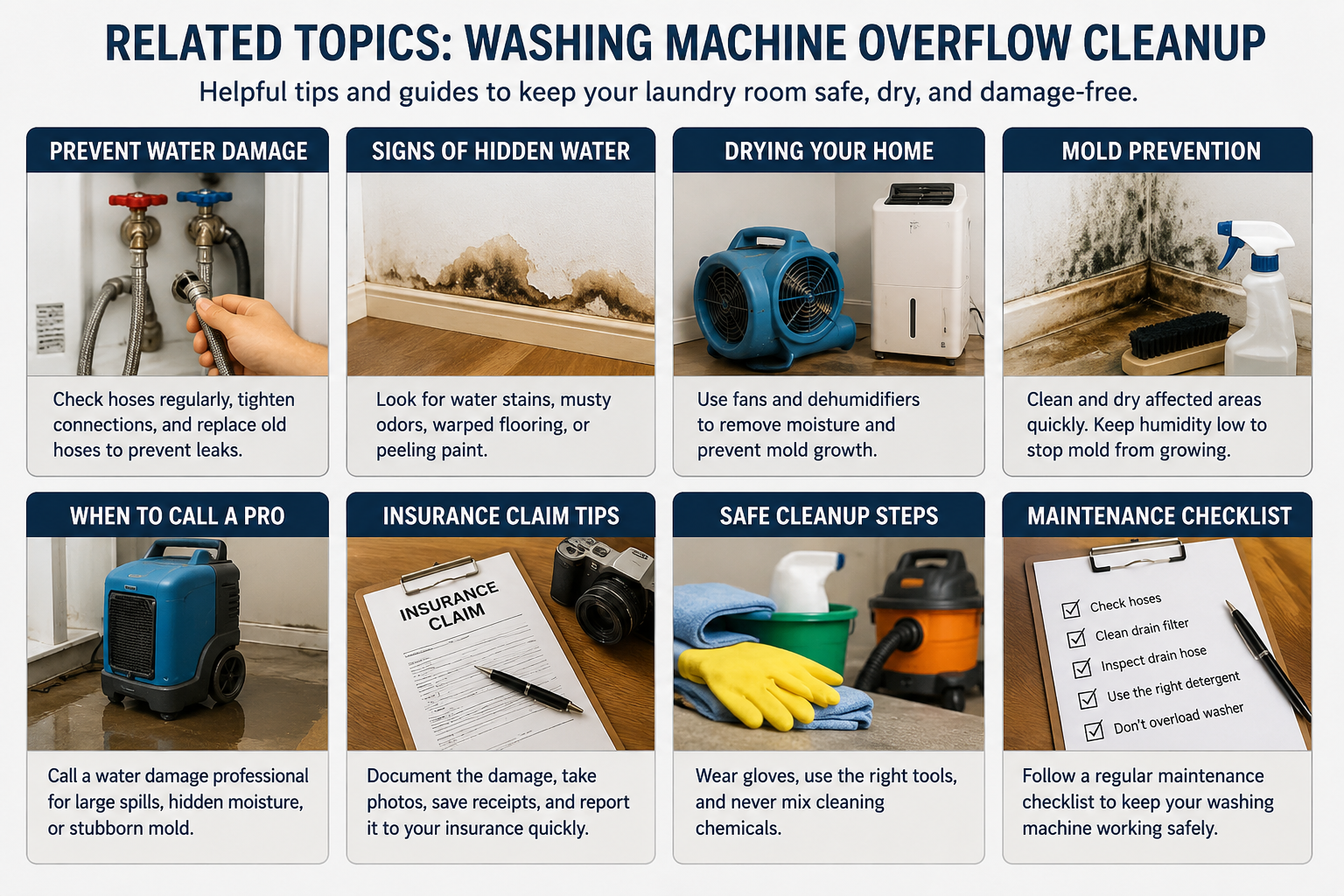
Check hot and cold supply hoses for cracks, rust, bulges, loose fittings, and worn areas. Replace damaged hoses right away.
Many property owners choose braided stainless-steel supply lines because they offer added protection against bursting.
Secure the Drain Hose
Make sure the drain hose sits firmly inside the standpipe. Use a proper hose guide or fastener, but do not create an airtight seal.
The hose needs space for airflow and proper drainage.
Clean the Drain System
Watch for slow draining, bubbling sounds, odors, or water rising in the standpipe. These signs may point to a clog.
A licensed plumber can inspect and clear the laundry drain line.
Use the Correct Detergent
Use detergent made for your type of washing machine. Measure it based on load size, water hardness, and product instructions.
More soap does not always mean cleaner clothes.
Do Not Overload the Washer
Spread clothing evenly around the tub. Follow the machine’s load limits and avoid washing single heavy items without balancing the load.
Install a Drain Pan
A washing machine drain pan can catch small leaks. The pan should connect to a working drain when possible.
A pan may not hold all the water from a major hose break, but it can reduce damage from slow leaks.
Consider an Automatic Shutoff Valve
Water leak sensors can sound an alarm when moisture is detected. Some systems can automatically shut off the water supply.
Place sensors behind or beside the washing machine, near supply hoses, and close to the drain pan.
What Mistakes Should You Avoid During Cleanup?
Do not ignore a small amount of water. Even a thin layer may move under flooring or behind baseboards.
Avoid these common mistakes:
Using a regular vacuum on water
Touching wet electrical equipment
Turning the washer back on before inspection
Leaving wet rugs or boxes in the room
Closing the room without dehumidification
Painting over water stains
Mixing cleaning chemicals
Assuming the subfloor is dry
Waiting for a musty smell before checking for mold
Fast, careful action helps protect your home and may lower repair costs.
FAQs About Washing Machine Overflow Cleanup
How long does it take to dry a laundry room after an overflow?
Drying may take two to five days, but the exact time depends on the amount of water, building materials, humidity, and drying equipment. Hidden areas may take longer. Moisture testing is the best way to confirm that drying is complete.
Can I use a fan after my washing machine overflows?
You can use fans if the water is not contaminated and the electrical system is safe. Do not plug fans into wet outlets. If the water came from a sewer or dirty drain backup, fans may spread contaminated particles.
Do I need to replace drywall after a washing machine leak?
Not always. Drywall may be saved if it became only slightly damp and was dried quickly. Swollen, soft, crumbling, moldy, or contaminated drywall usually needs to be removed and replaced.
How do I know whether water is under the floor?
Signs include lifting planks, dark grout, soft spots, bubbling, stains, warped boards, or a musty smell. A moisture meter or professional moisture inspection can find water that is hidden below the flooring.
Who should I call for a washing machine overflow?
Call an appliance repair technician if the washing machine has a broken part. Call a plumber for clogged drains or damaged water lines. Contact a water damage restoration company when water affects walls, floors, cabinets, multiple rooms, or hidden building materials.