When a pipe bursts, a storm floods your basement, or a water heater fails, the company you call first can determine how much of your property is saved. The right water damage restoration team can stop damage quickly, protect your family or employees, and help return your space to its pre loss condition.
This complete guide explains what to look for in a water damage restoration company, how the water damage restoration process works, what questions to ask, and how to avoid costly mistakes with your insurance company.
Why Choosing the Right Water Damage Restoration Company Matters
Water damage is never just about visible puddles. Moisture can absorb into materials within 24 hours, and mold can begin to develop within 24–48 hours after water damage. If the restoration process is delayed, water damage can spread behind walls, under floors, into carpet padding, and inside building materials.
A qualified water damage restoration company limits property damage, reduces health risks, and ensures safe restoration from start to finish. Rapid response times help prevent structural rot, toxic mold growth, and secondary damage that can turn a manageable water emergency into major damage.
How to Choose a Water Damage Restoration Company
To choose the right water damage restoration company, look for certification, licensing, insurance, experience, strong reviews, transparent estimates, and 24/7 availability. The best restoration company will arrive quickly, inspect the property, document the water damage, explain the water damage restoration process, and use industrial-grade equipment for water removal, drying, cleanup, and repair.
Choosing a water damage restoration company should not be based on price alone. Property owners need a provider that can handle water extraction, structural drying, mold remediation, reconstruction, and insurance documentation without forcing them to hire multiple contractors.
1. Confirm IICRC Certification
Choose IICRC-certified companies for quality restoration services. The IICRC, or Institute of Inspection Cleaning and Restoration Certification, sets industry standards for damage restoration, water extraction, structural drying, cleanup, and mold remediation.
An IICRC-certified water damage restoration contractor understands moisture behavior, contamination categories, drying science, and safe repair practices. Certification shows the restoration company is trained to restore damaged materials properly instead of simply removing visible water.
2. Verify Licenses and Insurance
Before hiring, verify that the company has proper licenses and insurance. Companies must provide proof of insurance covering general liability and workers’ compensation. This protects property owners if a technician is injured or if accidental property damage occurs during the restoration process.
Do not hire a water damage restoration contractor who refuses to provide documentation. A legitimate restoration company will be prepared to show licenses, proof of coverage, and any credentials required in your state or municipality.
3. Look for a Proven Track Record
Companies should have a proven track record with positive reviews. Check for customer reviews and ratings before hiring, especially on Google, Yelp, Facebook, Angi, and the Better Business Bureau.
Look for comments about response time, professionalism, communication, clean work, insurance help, and whether the property was restored to its pre loss condition. A restoration company with consistent praise is more likely to deliver reliable water damage restoration services.
4. Choose a Company With Real Experience
Look for companies with a minimum of one year in business, but more experience is even better. Water damage can come from leaking pipes, burst plumbing, flood water, clogged gutters, HVAC condensate issues, appliance failures, water heater failures, and natural disasters.
Experienced technicians know how to identify the water source, assess the extent of water damage, and recommend the right restoration process for homes, apartments, offices, and commercial properties.
5. Demand a Fast Response
Water damage restoration companies should respond within hours. A fast response can reduce cleanup costs, protect building materials, and prevent further damage. Standing water should never sit for long because retained water can seep into drywall, floors, trim, subfloors, insulation, and carpet.
If a restoration company cannot offer emergency services during nights, weekends, and holidays, keep looking. Water damage does not wait for business hours, and neither should restoration.
6. Ask About the Water Damage Restoration Process
Water damage restoration typically involves five key steps: inspection, water removal, drying, cleaning, and repair. A trustworthy provider should clearly explain the water damage restoration process before work begins.
The water damage restoration process should include a thorough assessment, documentation, moisture readings, water extraction, structural drying, sanitation, and reconstruction when needed. If a company jumps straight to demolition without explaining the process, that is a warning sign.
7. Make Sure They Use Professional Equipment
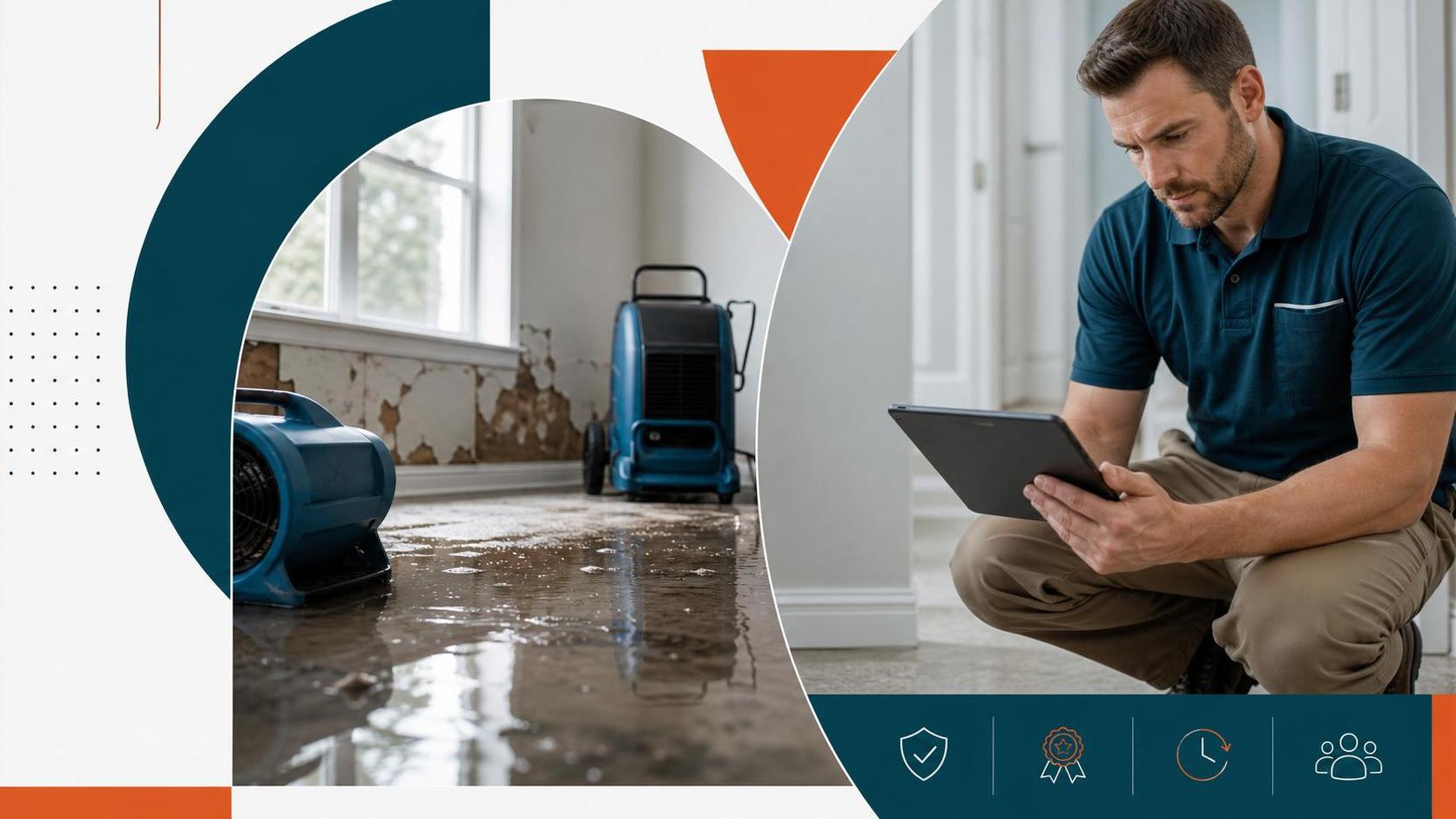
Using industrial-grade equipment is crucial for effective water damage restoration. A professional team should arrive with specialized tools such as pumps, extractors, air movers, dehumidifiers, moisture meters, infrared cameras, and drying mats.
Household fans and shop vacuums are not enough for serious water damage cleanup. Professional water damage restoration requires moisture detection, controlled drying, and verification that hidden affected areas are no longer wet.
8. Confirm They Can Handle Water Extraction
Water extraction is one of the most important early steps in the water damage restoration process. Water extraction is crucial to prevent further damage because standing water increases the risk of mold, rot, odor, and structural damage.
Removing standing water quickly also lowers the load on the drying process. A qualified team will perform water extraction from floors, wet carpet, basements, crawl spaces, and other affected areas before structural drying begins.
9. Ask How They Manage Drying and Dehumidification
Drying and dehumidification can take several days to complete. The restoration company should monitor humidity, temperature, and moisture levels throughout the drying process, not just set equipment and leave.
Structural drying is essential because water damage can hide behind walls and beneath flooring. Proper drying protects structural integrity, reduces secondary damage, and helps restore the property safely.
10. Make Sure Mold Prevention Is Included
Mold can begin to grow within 24–48 hours after water damage, so time matters. A quality damage restoration team should explain how it will prevent mold growth through rapid extraction, drying, cleaning, antimicrobial treatment, and moisture control.
Antimicrobial application may be necessary to prevent mold growth after contaminated water intrusion or prolonged moisture. If mold growth is already visible, the company should offer mold remediation or refer you to a qualified mold professional.
11. Choose Comprehensive Restoration Services
Comprehensive restoration services reduce the need to hire multiple contractors. The best providers can handle water removal, water damage cleanup, drying, repair, carpet cleaning, drywall replacement, flooring repair, content cleaning, and reconstruction.
When one restoration company coordinates the full restoration process, communication is easier and the business or household returns to its original state faster. This is especially helpful after storm damage, flood damage, or plumbing failures that affect multiple rooms.
12. Review Their Inspection and Documentation Process
A professional inspection should identify the water source, contamination level, affected materials, and the extent of damage. Technicians should check ceilings, walls, floors, cabinets, baseboards, and hidden cavities for moisture.
Insurance assistance involves creating detailed documentation for claims. Photos, videos, moisture readings, sketches, estimates, and daily drying logs can simplify the claims process for homeowners and commercial property owners.
13. Ask for a Clear Water Damage Repair Plan
Water damage repair may include replacing drywall, removing damaged flooring, repairing plumbing, cleaning carpet, sealing surfaces, and rebuilding sections of the property. The company should tell you what can be restored and what materials must be removed.
A reliable water damage repair plan should include cleanup, demolition if necessary, structural drying, sanitation, reconstruction, and final inspection. The goal is to restore the property to a clean, safe, and functional pre loss condition.
14. Understand Common Causes of Water Damage
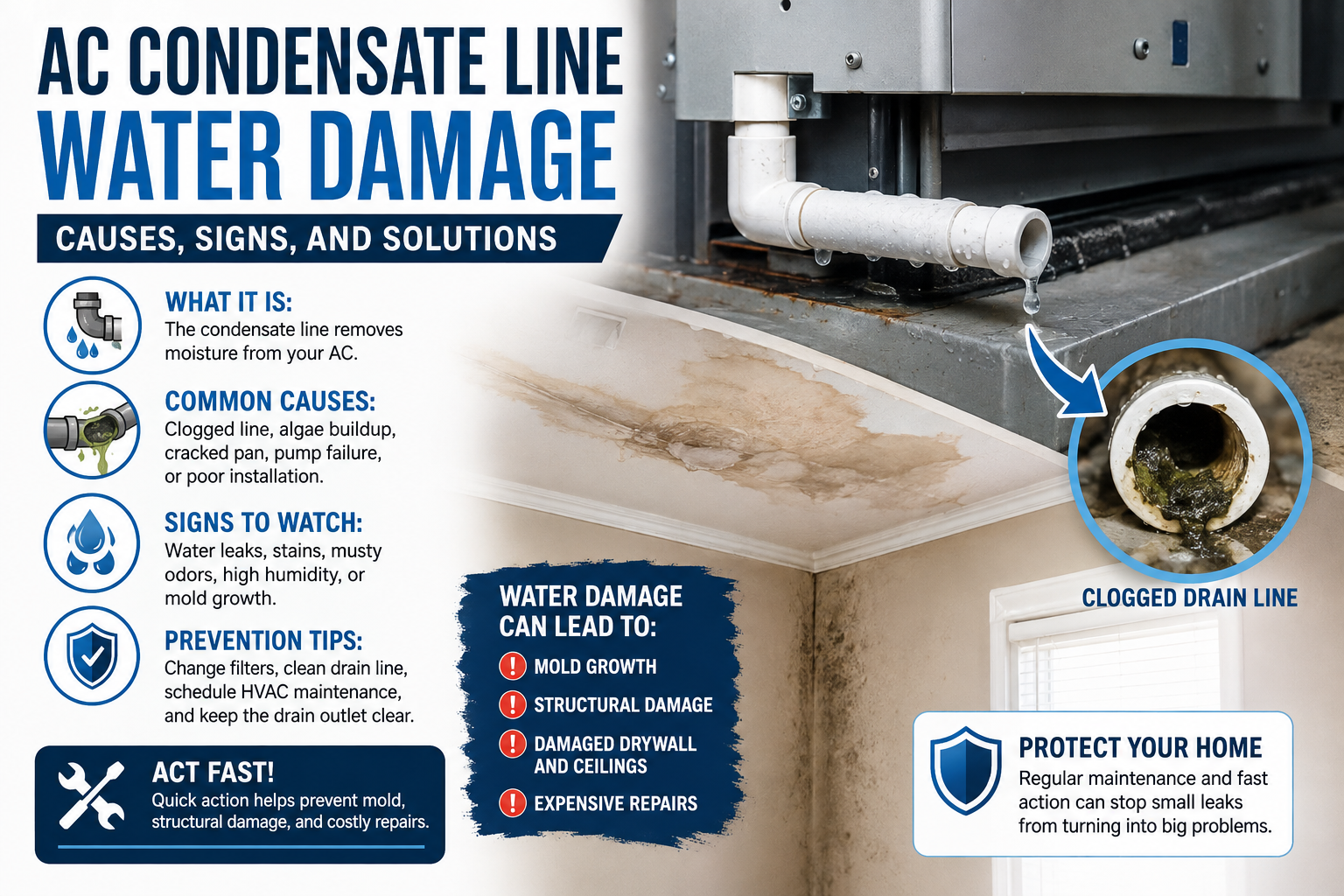
Leaking or burst pipes are common water damage causes, but they are not the only ones. Water heater failures can lead to significant water damage, clogged gutters can cause water damage to homes, and HVAC condensate issues can result in water damage.
Natural disasters can lead to severe water damage, especially when heavy rain, storm surge, or flood conditions push water into lower levels. A capable restoration company should understand both clean water and contaminated flood scenarios.
15. Know the Warning Signs of Hidden Water Damage
Water stains indicate moisture presence on ceilings or walls. Swollen or warped materials are signs of water damage, and peeling or bubbling paint suggests underlying moisture issues.
Sagging or soft spots in ceilings indicate potential water damage. Musty smells, loose floors, stained carpet, and new mold growth can also signal that water damage cleanup is needed immediately.
16. Ask About Health and Safety Procedures
Water damage may create hazards such as slippery floors, electrical risks, contaminated water, bacteria, and mold. A professional restoration team should protect occupants and technicians during cleanup.
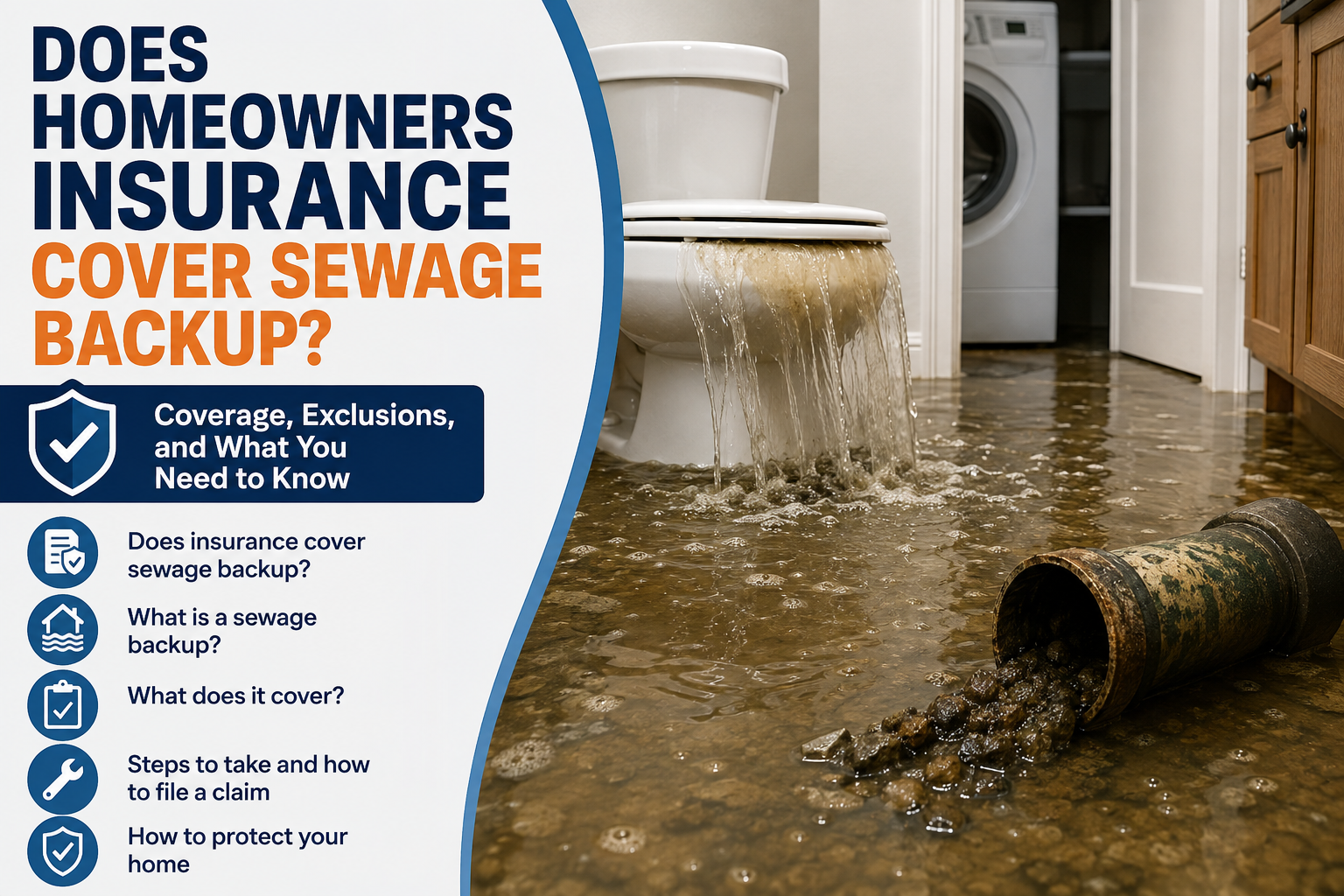
If standing water comes from sewage, storm runoff, or flood water, the company should use protective equipment, containment, and safe disposal methods. Clean water from plumbing can also become unsafe if not removed quickly.
17. Confirm They Work With Insurance Providers
Water damage accounts for nearly a quarter of homeowners’ insurance claims, so insurance experience matters. A restoration company that works with insurance providers can help property owners understand documentation, estimates, approvals, and communication.
Experience with insurance providers simplifies the claims process for homeowners, but you should still control your claim. The contractor can document damage restoration work, but the final coverage decision comes from your insurer.
What Not to Say to Insurance Adjuster Water Damage
When speaking with an adjuster after water damage, avoid guessing, exaggerating, or admitting fault. Do not say, “This has been leaking for months,” unless you know it is true. Do not say, “I do not need an inspection,” or “Everything is probably fine,” because hidden water damage may still exist.
Stick to facts: when you discovered the water damage, where you saw standing water, what steps you took to stop the water source, and which restoration company inspected the property. Avoid declaring whether the damage is covered. Let the policy, documentation, and adjuster determine coverage.
What Are the Main Steps in Water Damage Restoration?
The main steps in water damage restoration are inspection, water removal, drying, cleaning, and repair. The water damage restoration process starts with identifying the water source and determining whether the water is clean, gray, or black.
- Inspection and assessment of the property and affected materials.
- Water removal and removing standing water with professional extraction equipment.
- Drying and dehumidification to remove moisture from materials.
- Cleaning, sanitizing, deodorizing, and possible mold control.
- Repair, reconstruction, and final verification that the restoration is complete.
These steps may sound simple, but the restoration process requires training, equipment, and monitoring. Skipping one step can leave moisture in the property and allow mold, odor, or structural issues to spread.
How to Estimate Water Damage Restoration
To estimate water damage restoration, professionals consider the water category, square footage, depth of standing water, amount of water removal required, drying time, damaged materials, labor, equipment, cleanup needs, and repair scope.
Costs rise when water damage affects multiple rooms, soaked carpet, hardwood floors, insulation, drywall, cabinets, or electrical systems. Reconstruction, mold remediation, and emergency after-hours service can also increase the estimate.
Factors That Affect the Cost of Damage Restoration
- The size of the affected area and the extent of moisture.
- The type of water: clean plumbing water, gray water, or contaminated water.
- The amount of standing water and required extraction.
- The number of drying days and equipment units needed.
- The cost to repair walls, floors, carpet, cabinets, and contents.
- The need for mold remediation or antimicrobial application.
- The complexity of reconstruction to restore the property.
A trustworthy water damage restoration company should provide a written estimate and explain each line item. Be cautious with vague pricing, pressure tactics, or promises that sound too good to be true.
Questions to Ask Before Hiring
Before you sign a work authorization, ask direct questions. Property owners should feel confident that the restoration company is qualified, insured, responsive, and transparent.
- Are you IICRC certified?
- Can you show proof of license, general liability, and workers’ compensation insurance?
- How quickly can your team arrive?
- What is your water damage restoration process?
- Do you provide water extraction, drying, cleanup, repair, and reconstruction?
- Do you document the damage for insurance?
- How do you verify that the property is dry?
- Do you handle mold remediation if mold is found?
Red Flags to Avoid
Not every restoration business operates with the same standards. Avoid any company that demands full payment upfront, refuses to provide insurance documents, lacks reviews, skips moisture testing, or cannot explain the restoration process.
Also avoid contractors who say all materials must be removed without inspection, or who promise your insurance will cover everything. Reputable companies follow industry standards and provide honest guidance based on the actual water damage situation.
Residential and Commercial Water Damage Considerations
In homes, water damage restoration often focuses on protecting living areas, personal belongings, flooring, drywall, and indoor air quality. Families need safe cleanup, clear communication, and quick repair.
For commercial properties, the priority is often minimizing downtime while protecting inventory, equipment, employees, and customers. A strong restoration company will create a plan that helps the business reopen quickly while maintaining safety.
Why Speed Is Critical After Flood, Storm, or Plumbing Damage
Water damage affects around 14,000 individuals in the US yearly, and the results can be financially and emotionally overwhelming. Whether the cause is a flood, storm, plumbing break, or appliance leak, immediate action matters.
Neglecting water damage can lead to structural collapse in severe cases. Quick extraction, drying, cleanup, and repair reduce the chance that water damage will spread into hidden areas and cause long-term restoration problems.
The Bottom Line
The right water damage restoration company should be certified, insured, licensed, experienced, responsive, and equipped to manage the entire restoration process. It should offer water removal, structural drying, cleanup, repair, reconstruction, documentation, and support from the first call through final inspection.
If your property has water damage, do not wait. Remove the water source if it is safe, avoid electrical risks, document the damage, call your insurer, and contact a qualified restoration company that can restore the space safely and efficiently.
Frequently Asked Questions
How quickly should a water damage restoration company arrive?
A reliable water damage restoration company should respond within hours, especially when standing water is present. The sooner water removal and drying begin, the lower the risk of mold growth, structural damage, and expensive repair.
What is the first thing I should do after water damage?
If it is safe, stop the water source by shutting off the plumbing supply or appliance. Then avoid electrical hazards, document the water damage with photos and videos, call your insurance provider, and contact a certified restoration company for emergency water damage cleanup.
Can I handle water damage restoration myself?
Small clean water spills may be manageable, but larger water damage usually requires professional restoration. Hidden moisture can remain in walls, floors, carpet, and building materials, so professional drying, extraction, and inspection are often necessary.
How long does the water damage restoration process take?
The water damage restoration process often takes three to seven days for drying, but repair and reconstruction can take longer. The timeline depends on the extent of water damage, the materials affected, and whether mold, demolition, or structural drying is required.
What is included in water damage cleanup?
Water damage cleanup may include water extraction, removing standing water, cleaning surfaces, sanitizing materials, deodorizing, removing damaged items, and preparing the property for drying and repair. The exact cleanup plan depends on the water source and contamination level.
Will insurance cover water damage restoration?
Insurance may cover sudden and accidental water damage, such as burst pipes or appliance failures, but coverage depends on your policy. Gradual leaks, neglected maintenance, and flood damage may require different coverage, so document everything and ask your adjuster for written guidance.
How do professionals know when a property is dry?
Professionals use moisture meters, thermal imaging, humidity readings, and drying logs to confirm moisture levels. The restoration process should not end until materials reach acceptable drying goals and the property is safe for repair.
What happens if mold appears after water damage?
If mold appears, the company should assess the area and recommend mold remediation. Mold can spread quickly after water damage, so containment, removal, cleaning, and moisture correction may be needed to restore a safe environment.
Is reconstruction always required after water damage?
No. Reconstruction is only required when materials are permanently damaged or removed during restoration. Some water damage can be resolved with extraction, drying, and cleaning, while severe damage may require drywall, flooring, cabinet, or structural repair.