What to Do If You Find Mold in Your Home
If you find mold in your house, it can feel scary. Mold can spread fast and cause health problems. It can also damage your home if you do not act quickly. Knowing what to do if you find mold is very important for your safety and your family’s health.
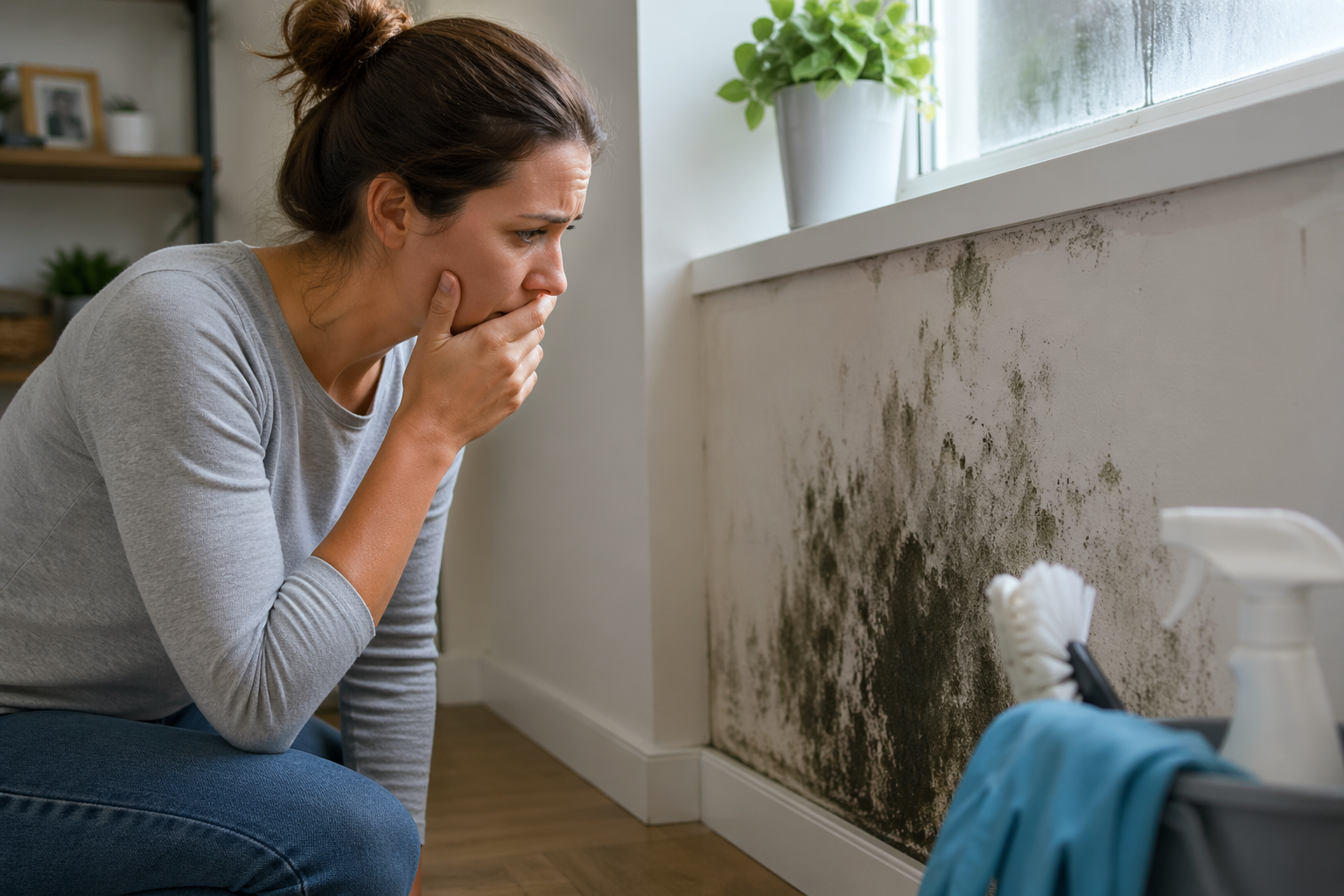
If you notice a musty odor, water stains, or dark spots on surfaces, you may have a mold problem. Mold often grows after water damage, plumbing leaks, or excess moisture. Acting fast can help stop mold growth before it gets worse.
If you need help right away, you can learn more about professional mold removal services to protect your home and health.
How to Identify Mold in Your Home
Signs You May Have Mold
It is important to identify mold early. Mold can grow in many places, even where you cannot see it.
Common signs include:
A strong musty odor
Visible moldy surfaces on walls or ceilings
Water stains on ceiling tiles or walls
Damp surfaces or wet materials
Peeling paint or warped materials
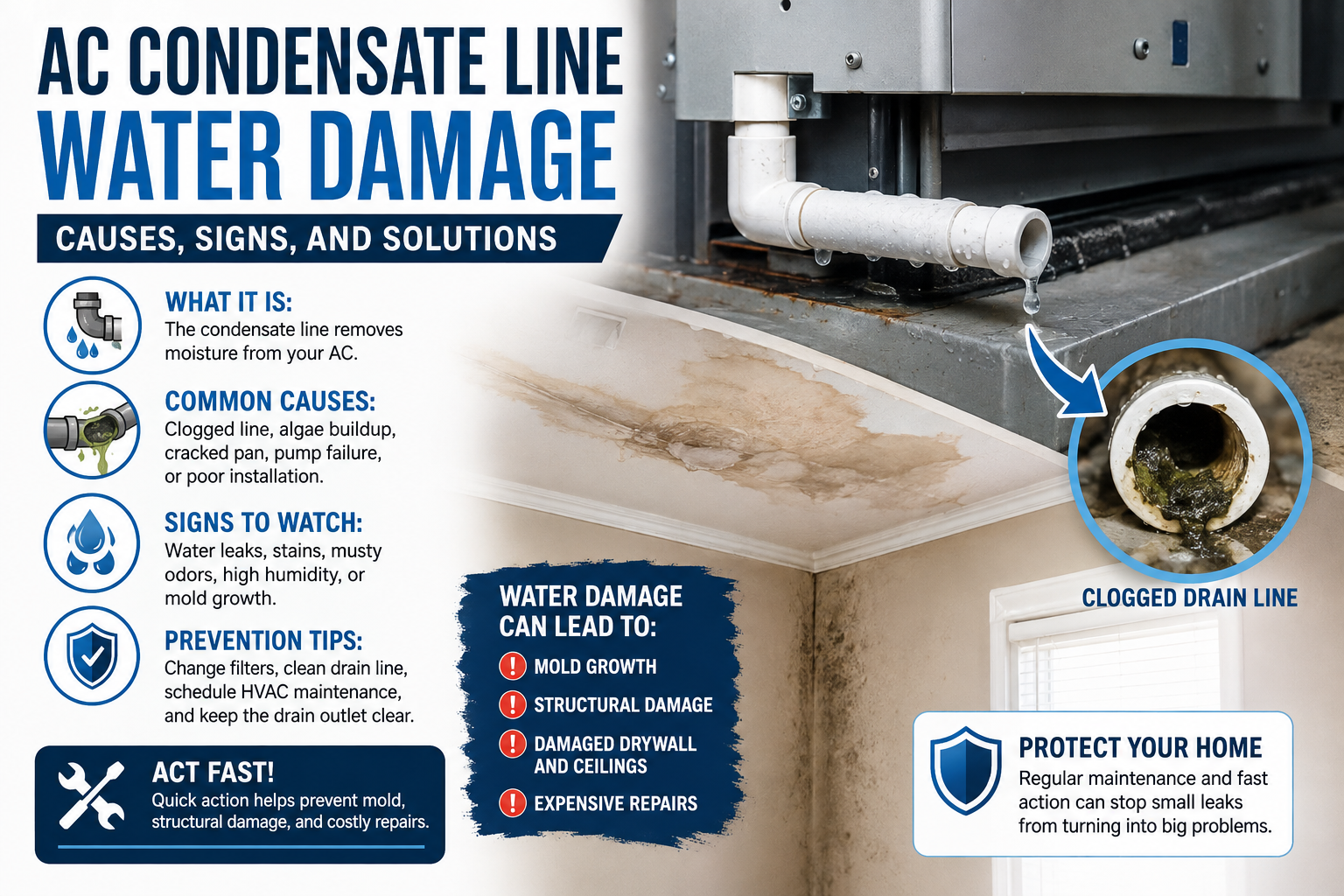
Mold can grow inside walls, under carpet, and in crawl spaces. It can also grow near your water heater, roof leaks, or plumbing leaks.
Where Mold Commonly Grows
Mold thrives in places with moisture and poor airflow. Look in these areas:
Bathrooms and kitchens
Basements and crawl spaces
Around HVAC system vents and air ducts
Near exterior walls and windows
Around a clothes dryer or laundry area
Indoor mold often starts in hidden areas, so regular checks are important.
Why Mold Is Dangerous
Health Risks of Mold Exposure
Mold exposure can lead to serious health concerns. Some people have mild symptoms, while others have severe reactions.
Common symptoms include:
Runny nose
Itchy eyes
Sneezing and coughing
Respiratory problems
Some people have a greater risk, including children, older adults, and those with asthma. Mold can also trigger allergic reactions and other health issues.
Long-Term Health Problems
Prolonged exposure to mold spores can cause:
Ongoing respiratory problems
Chronic allergic reactions
Serious health problems for sensitive individuals
Because of these health risks, it is important to remove mold quickly and safely.
What Causes Mold Growth
Moisture Is the Main Cause
Mold needs moisture to grow. The most common causes include:
Plumbing leaks
Roof leaks
Flooding or contaminated water
High indoor humidity
Poor ventilation
Even small moisture problems can lead to mold growth if not fixed.
Hidden Sources of Moisture
Sometimes the moisture source is not easy to find. It may be:
Inside walls
Under flooring
Around air ducts
Behind appliances
Fixing the moisture source is the most important step to prevent mold.
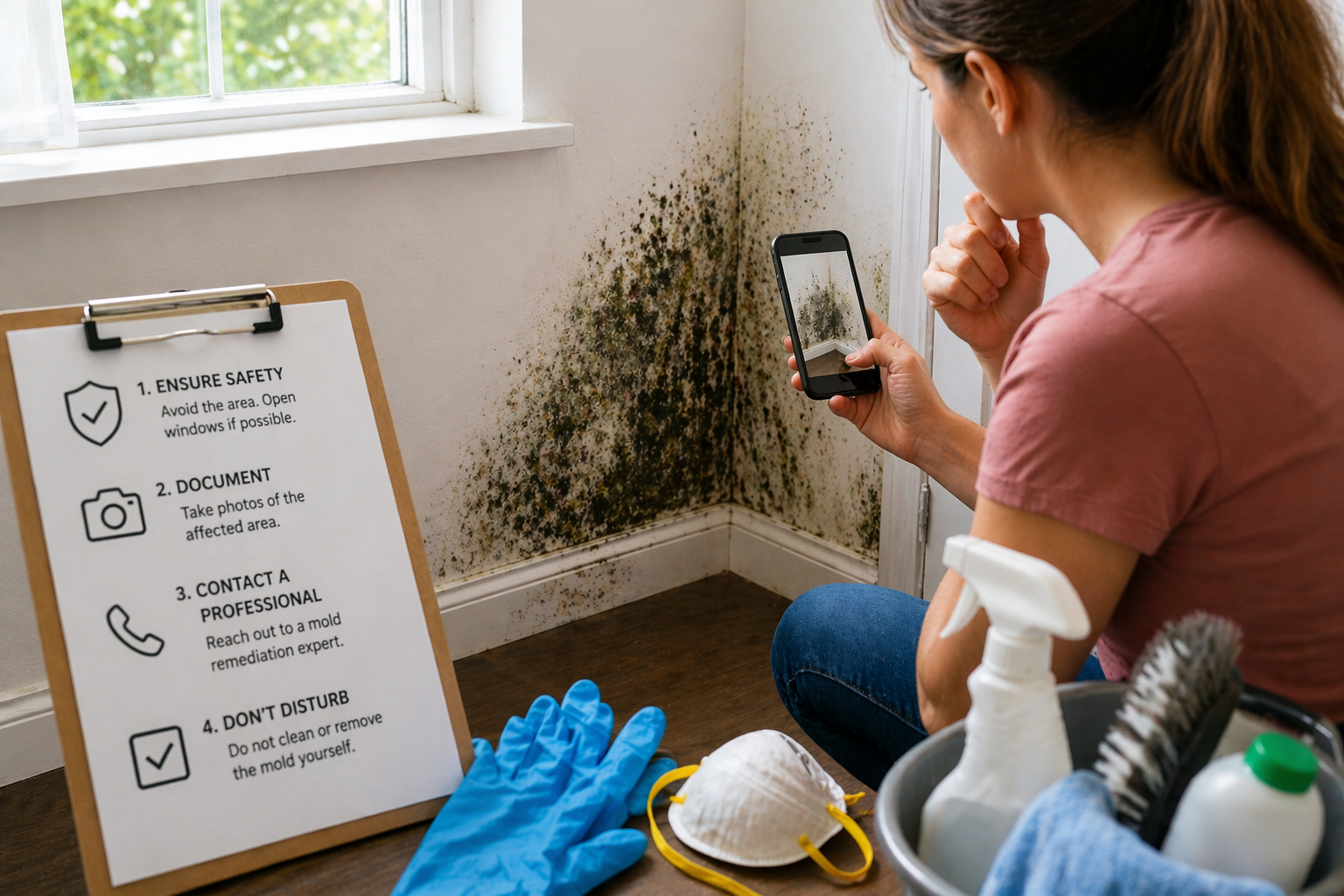
What to Do If You Find Mold
Step 1: Stay Safe and Protect Yourself
Before you start mold cleanup, safety comes first.
Always:
Wear protective gear
Use rubber gloves
Wear protective clothing
Open windows for fresh air
This helps reduce mold exposure and keeps you safe.
Step 2: Assess the Size of the Mold Problem
If the moldy area is small (less than 10 square feet), you may be able to clean mold yourself.
If it is larger, spreads quickly, or is inside walls, call professionals like Preferred Restoration Services.
Step 3: Remove the Moisture Source
You must fix the moisture problem first. If you do not, mold will return.
Common fixes include:
Repair plumbing leaks
Fix roof damage
Improve airflow
Lower indoor humidity
Dry all wet materials and damp surfaces completely.
Step 4: Clean Mold Safely
To effectively remove mold, follow these steps:
Use a stiff brush to scrub mold from hard surfaces
Mix bleach or use hydrogen peroxide to clean moldy surfaces
Use hot water when possible
Wipe and dry completely
You can find cleaning supplies at hardware stores.
Step 5: Remove Moldy Materials
Some materials cannot be saved. These include:
Carpet
Ceiling tiles
Porous materials like drywall
These moldy materials should be thrown away because mold spores can stay inside them.
How to Clean Mold Properly
Cleaning Hard Surfaces
Non porous surfaces like tile, glass, and metal are easier to clean.
To clean mold:
Scrub mold using a stiff brush
Use a bleach mix or hydrogen peroxide
Rinse with hot water
Dry completely
Handling Porous Materials
Porous materials absorb moisture and mold spores.
Examples include:
Carpet
Wood
Drywall
These materials may need to be removed and replaced.
When to Call a Professional
Large Mold Problems
If the mold problem is bigger than 10 square feet, it is best to call experts.
Professionals:
Use special tools for mold removal
Perform mold testing if needed
Handle contaminated materials safely
Hidden Mold Issues
If mold is inside walls, air ducts, or your HVAC system, professional help is needed.
Experts can:
Find mold in hidden areas
Clean air ducts
Stop mold from spreading
How to Prevent Mold in Your Home
Control Moisture Levels
The best way to prevent mold is to control moisture.
Do this by:
Fixing leaks quickly
Using dehumidifiers
Keeping indoor humidity low
Drying wet materials fast
Improve Airflow
Good airflow helps stop mold growth.
You can:
Open windows for fresh air
Use fans
Clean air ducts
Maintain your HVAC system
Regular Inspections
Check your home often for:
Water stains
Damp surfaces
Moldy areas
Catching mold early can save money and protect your health.
Common Mistakes to Avoid
Ignoring Small Mold Spots
Even small mold spots can quickly spread. Do not ignore them.
Not Fixing the Moisture Source
Cleaning mold without fixing moisture problems will not solve the issue.
Not Wearing Protective Gear
Always wear protective gear to avoid health risks during mold cleanup.
Final Thoughts on Mold in Your Home
Knowing what to do if you find mold can protect your home and your family. Mold can cause serious health problems and damage your house if ignored.
Act quickly:
Identify mold early
Fix the moisture source
Clean mold safely
Call professionals when needed
Taking the right steps can stop mold growth and keep your home safe.
FAQs About What to Do If You Find Mold
What should I do first if I find mold?
First, protect yourself by wearing protective gear and ensure fresh air. Then find and fix the moisture source before cleaning.
Can I remove mold myself?
Yes, small areas under 10 square feet can be cleaned. Larger mold problems should be handled by professionals.
Is mold dangerous to my health?
Yes, mold exposure can cause allergic reactions, respiratory problems, and other health issues.
What kills mold best?
Bleach, hydrogen peroxide, and proper cleaning methods can help remove mold from hard surfaces.
How do I prevent mold from coming back?
Control moisture, fix leaks, improve airflow, and keep indoor humidity low.