Cabinet and Kitchen Water Damage Restoration
Water damage in the kitchen can happen fast. A broken water supply line, a leaking sink, or even a storm can flood your kitchen in minutes. When this happens, quick kitchen water damage restoration is important. Water can soak into floors, kitchen cabinets, and walls. If not cleaned up quickly, it can lead to mold, bad smells, and serious health risks.
Homeowners often feel stressed when a flooded kitchen happens. But with the right steps and professional help from Preferred Restoration, the damage can be fixed. Acting quickly helps protect your home, your insurance policy, and your family.
In this guide, you will learn how water damage restoration works, what causes kitchen water damage, and how to prevent it in the future.
Common Causes of Kitchen Water Damage
Kitchen water damage usually starts with a simple problem that grows quickly.
Plumbing Leaks
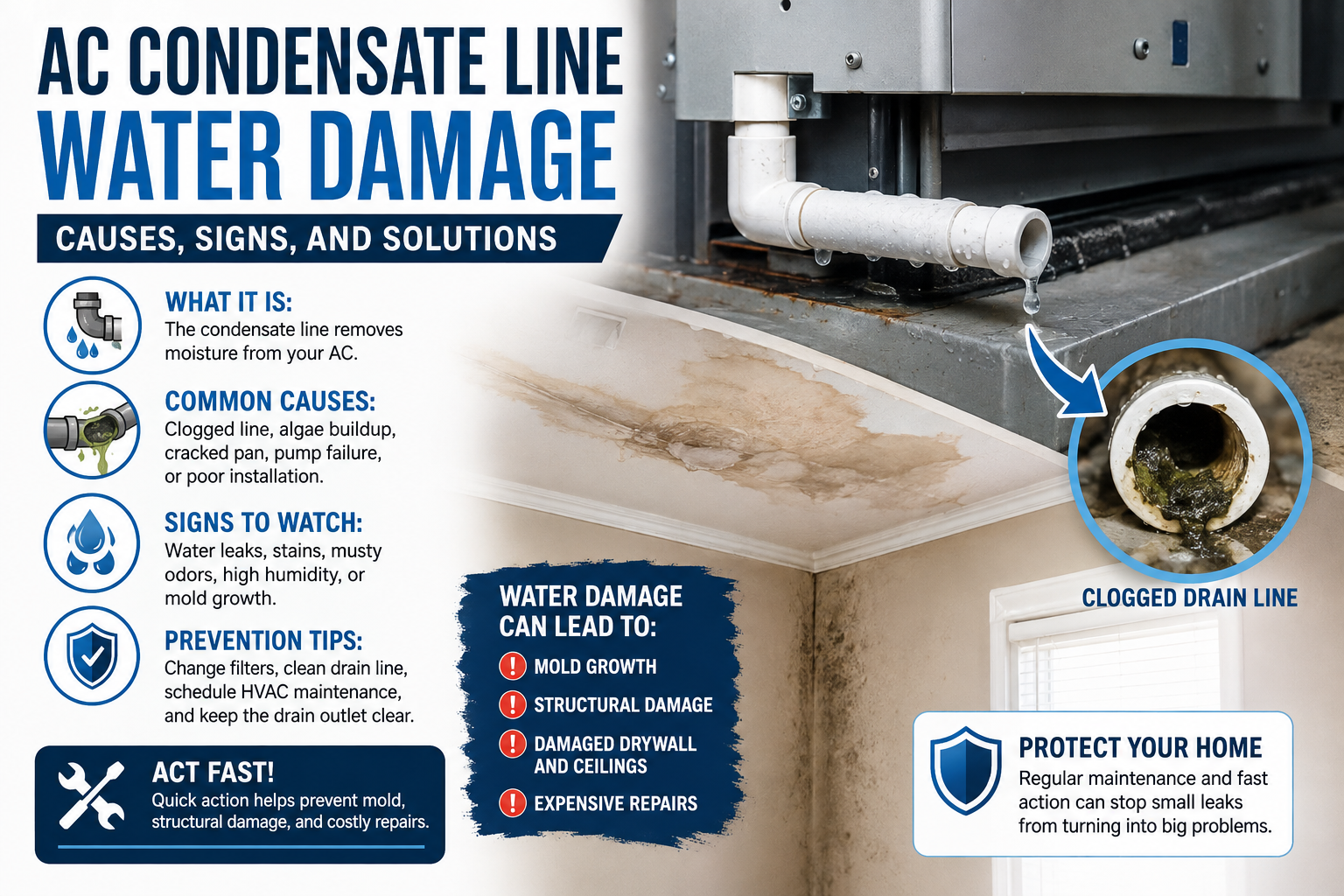
The most common cause is a plumbing leak. Pipes under the sink can crack or loosen over time. When this happens, water can slowly drip into cabinets and flooring.
Small leaks may go unnoticed for days. During that time, moisture builds up and damages materials like wood and particle board.
Appliance Failures
Kitchen appliances use water every day. Dishwashers, refrigerators with water dispensers, and ice makers all connect to a water supply.
If one hose breaks, it can cause a sudden flood in the kitchen.
Roof or Storm Damage
A heavy storm can damage a roof and allow rain to enter the home. Water may travel through ceilings and walls before reaching the kitchen.
This type of disaster can cause hidden water damage that spreads to multiple rooms.
Basement Water Issues
If your kitchen sits above a basement, water problems below can move upward through the floor structure.
Flooding in basements can create moisture that spreads into kitchen flooring and cabinets.
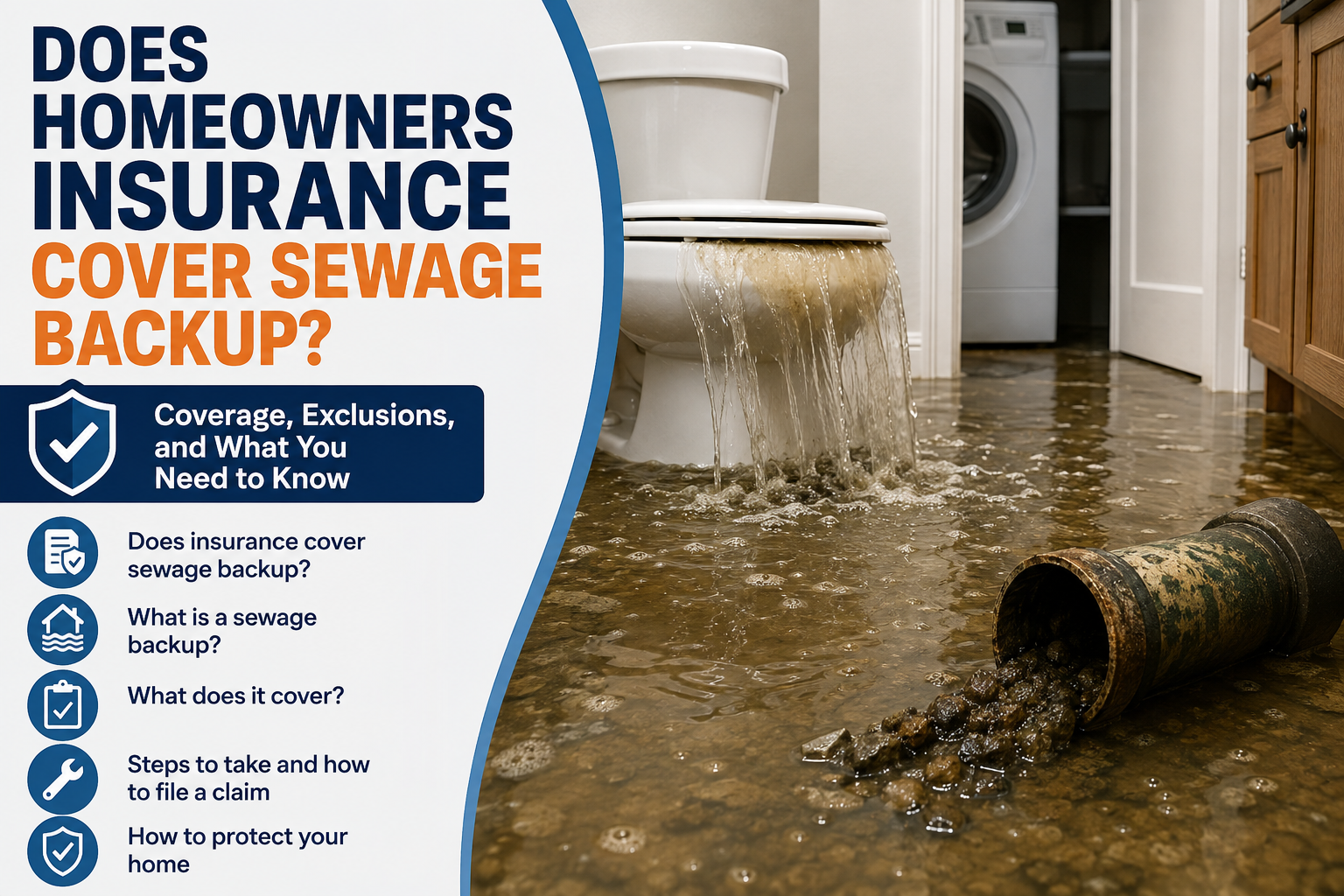
Sewage Backups
In rare cases, a sewage backup can reach the kitchen through plumbing lines. This type of water damage is serious and requires professional cleanup for safety.
Signs Your Kitchen Has Water Damage
Water damage is not always easy to see. Many homeowners notice the problem only after damage spreads.
Water Stains
Brown or yellow stains on walls or ceilings may show hidden leaks from the roof or plumbing.
Warped Cabinets
Water damaged cabinets often swell or bend. Materials like particle board absorb water quickly and may fall apart.
Mold or Musty Smells
When moisture stays in one area for too long, mold can grow. Mold smells musty and can affect indoor health.
Peeling Paint or Flooring
Water can loosen tile, wood, or vinyl floors. Paint may also bubble or peel.
Standing Water
In severe cases, you may see water pooling on the kitchen floor. This is common after a flooded kitchen or broken pipe.
Why Fast Kitchen Water Damage Restoration Matters
Time is very important when dealing with water damage.
Preventing Mold Growth
Mold can begin growing within 24 to 48 hours after water exposure. Fast drying and water extraction stop mold from spreading.
Protecting Cabinets and Floors
Kitchen cabinets and flooring are expensive to replace. Quick restoration helps save wood, kitchen cabinet structures, and counters.
Reducing Structural Damage
Water can weaken walls, floors, and ceilings. Professional inspection ensures hidden damage is found early.
Protecting Your Health
Mold and contaminated water can cause breathing problems, allergies, and illness. Professional cleanup protects the health of everyone in the home.
The Kitchen Water Damage Restoration Process
Professional restoration companies follow a step-by-step process to repair a water damaged kitchen.
Inspection and Leak Detection
The first step is a full inspection. Technicians look for the source of the leak and check moisture levels inside walls and floors.
Advanced leak detection tools help locate hidden water.
Stopping the water source is always the first priority.
Water Extraction
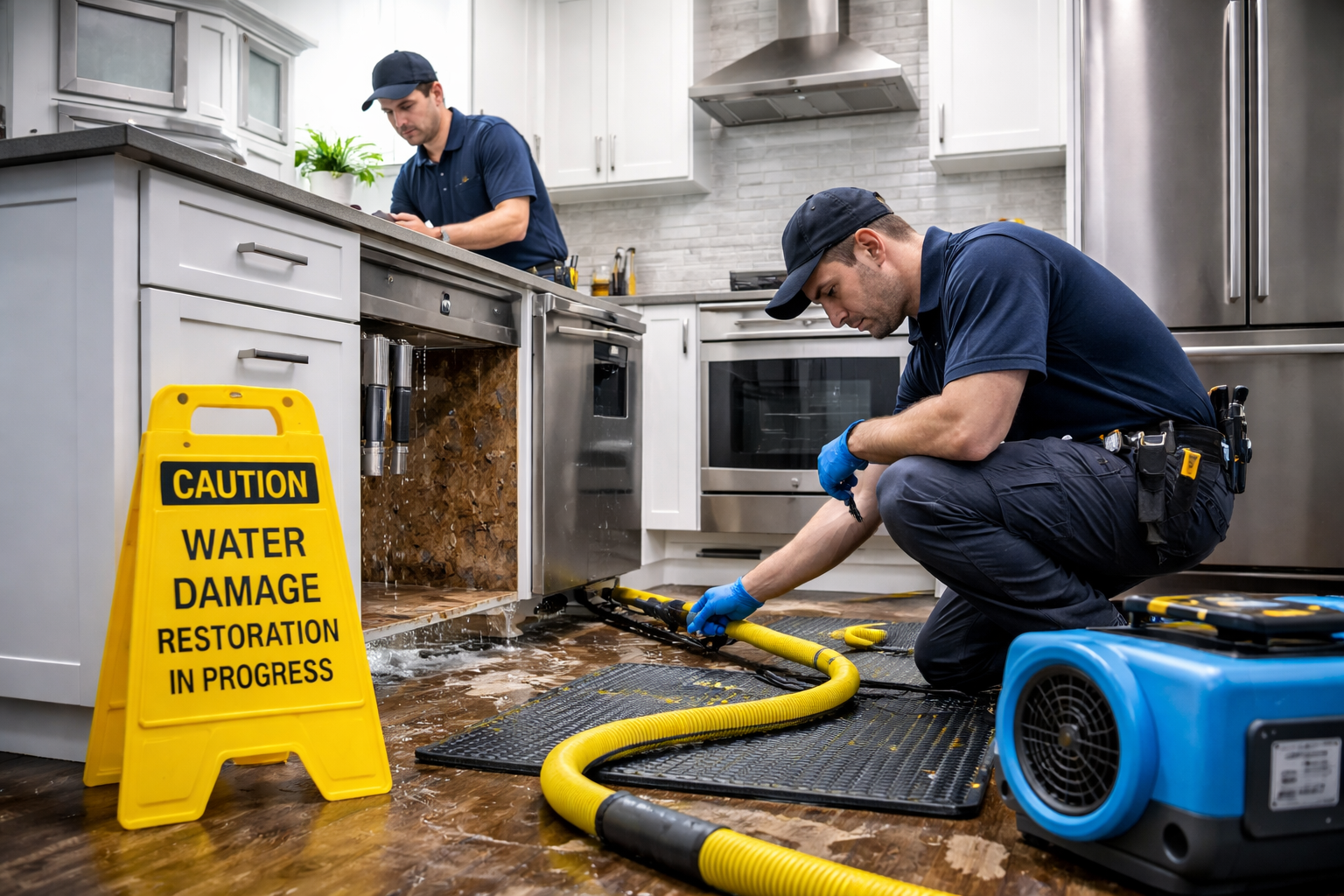
After inspection, crews begin water extraction. Powerful pumps remove standing water from the kitchen and nearby rooms.
Fast extraction reduces the amount of damage.
Drying and Dehumidification
Next comes the drying process.
Large fans and a dehumidifier remove moisture from the air and building materials. This step prevents mold and protects water damaged cabinets and flooring.
Cleaning and Sanitizing
If the water came from a flood, storm, or sewage, special cleaning solutions are used.
These disinfect surfaces and remove harmful bacteria.
Repairs and Remodeling
Once everything is dry, repairs begin.
This may include:
- Replacing water damaged kitchen cabinets
- Fixing flooring
- Repairing drywall
- Painting walls
Some homeowners choose to remodel their kitchen at this stage to upgrade cabinets or counters.
Water Damaged Cabinets and Materials
Kitchen cabinets are one of the most vulnerable areas during water damage.
Particle Board Cabinets
Many cabinets are made from particle board, which absorbs water quickly.
When soaked, it can swell, crack, and lose strength. These cabinets often need replacement.
Wood Cabinets
Solid wood cabinets may survive minor water exposure. If drying starts quickly, restoration experts may save them.
Cabinet Base Damage
Water often collects at the base of cabinets. This can cause the lower sections to rot or grow mold.
Professional drying equipment helps reduce this risk.
How Insurance May Cover Kitchen Water Damage
Many homeowners ask if insurance covers water damage.
Home Insurance Coverage
Most home insurance policies cover sudden water damage, such as:
- Burst pipes
- Appliance leaks
- Storm damage
If a pipe breaks and floods your kitchen, your insurance policy may help pay for repairs.
When Insurance May Not Cover Damage
Insurance usually does not cover damage caused by neglect or slow leaks.
For example, if a plumbing leak has existed for months, the claim may be denied.
Filing an Insurance Claim
After water damage:
- Take photos of the damage
- Contact your insurance company
- Schedule a professional inspection
A restoration company like Preferred Restoration can also document damage for your claim.
Preventing Kitchen Water Damage
While accidents happen, there are steps you can take to reduce risk.
Check Plumbing Regularly
Look under the sink for signs of leaks. Replace worn hoses and connections.
Install Leak Detection Devices
Smart leak detection sensors can alert you when water appears where it should not be.
Maintain the Roof
A strong roof protects your home from storm damage and leaks.
Improve Ventilation
Good ventilation reduces moisture buildup and mold risk in kitchens.
Waterproofing Problem Areas
Adding waterproofing to floors or cabinets can protect against future water damage.
Health Risks from Mold and Water Damage
Water damage is not just about property damage. It can also affect your health.
Mold Exposure
Mold releases spores that float in the air. These spores can cause:
- Allergies
- Coughing
- Breathing problems
Children and older adults may be especially sensitive.
Bacteria from Sewage
If a sewage backup occurs, harmful bacteria may contaminate surfaces. Professional sanitation is necessary to make the home safe again.
Why Professional Restoration Is Important
Some homeowners try to clean up water damage themselves. But kitchen water damage often spreads beyond what is visible.
Professional water damage restoration teams use advanced tools such as:
- Moisture meters
- Industrial dehumidifiers
- Water extraction pumps
These tools ensure the kitchen is completely dry.
Experts also check hidden areas like wall cavities and flooring layers to prevent future mold problems.
Working with a trusted company like Preferred Restoration helps ensure the job is done safely and correctly.
Kitchen Remodeling After Water Damage
Sometimes water damage leads to a full kitchen upgrade.
During restoration, homeowners may choose to remodel the space. This can include:
- Installing new kitchen cabinets
- Updating flooring
- Adding improved ventilation
- Installing waterproof materials
A restoration project can turn a stressful disaster into an opportunity to improve the kitchen.
FAQs About Kitchen Water Damage Restoration
What should I do first if my kitchen floods?
Turn off the water supply if possible. Then remove standing water and contact a professional water damage restoration company for help.
How long does kitchen water damage restoration take?
Most projects take 3–7 days for drying and cleanup. Large disasters may take longer if cabinets or flooring must be replaced.
Can water damaged cabinets be saved?
Sometimes yes. If drying starts quickly, solid wood cabinets may survive. Cabinets made from particle board often need replacement.
Will my insurance policy cover kitchen water damage?
Many home insurance policies cover sudden water damage like burst pipes. Coverage depends on the cause and details of your insurance policy.
How can I prevent mold after a flooded kitchen?
Fast water extraction, proper drying, and using a dehumidifier are key steps to stop mold growth.
Conclusion
A water damaged kitchen can feel overwhelming. From leaking plumbing to sudden floods, water damage can spread quickly through cabinets, floors, and walls.
The key to protecting your home is fast kitchen water damage restoration. Removing water quickly, drying the area, and repairing damaged materials can stop mold growth and protect your family’s health.
With professional help from Preferred Restoration, homeowners can recover from water damage and restore their kitchens safely and efficiently.