What Is Flood Water Category 3?
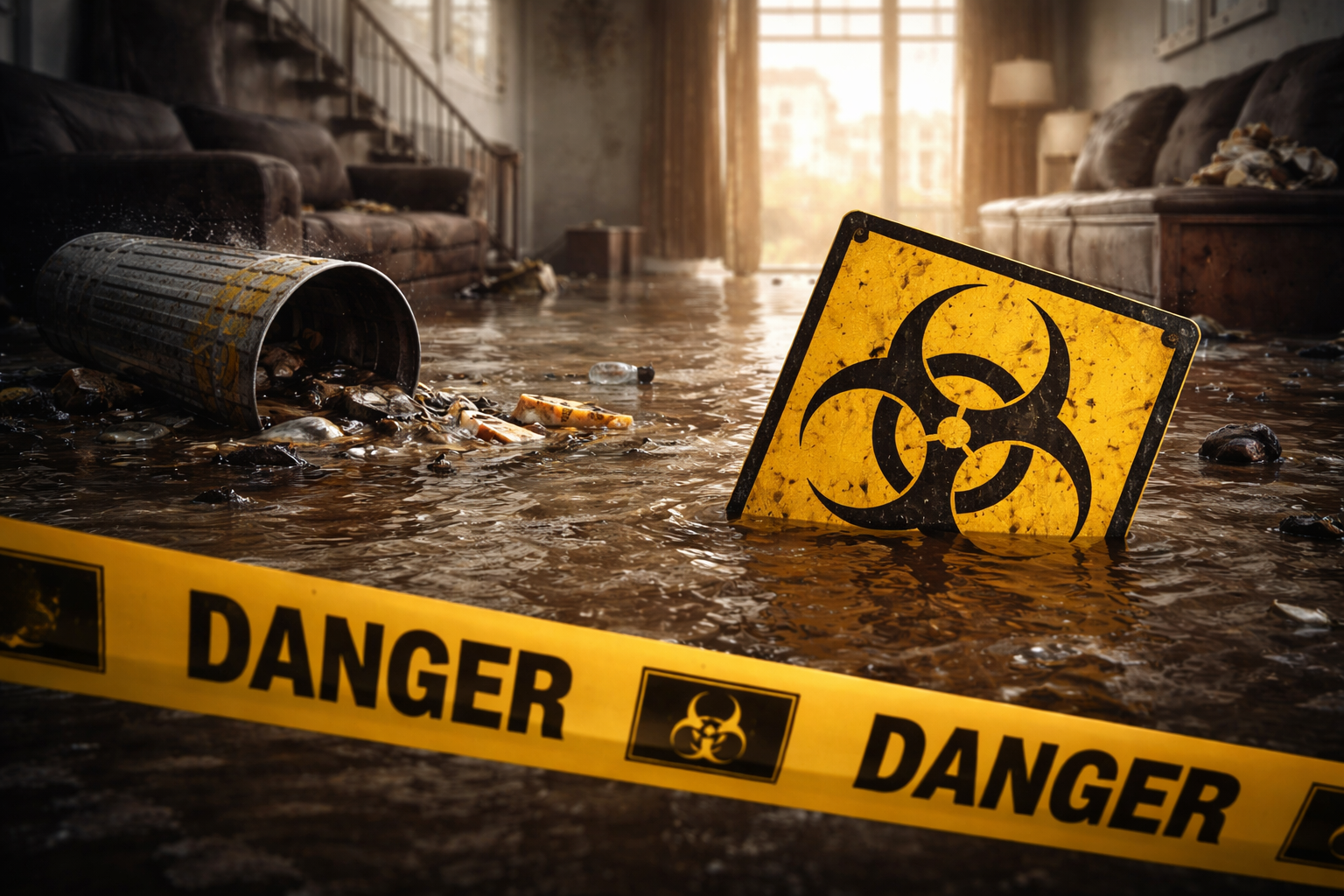
Flood water category 3 is the most dangerous type of water damage. It involves highly contaminated water that can harm your home and your health. This type of water is often called black water because it contains sewage, harmful bacteria, and solid waste.
If your home has flood water category 3, you need to act fast. This type of water damage restoration requires professional help right away. You can learn more about safe cleanup and recovery by visiting this trusted resource on water damage restoration.
Category 3 water damage is not like clean water or gray water. It is part of the three categories of water damage, and it carries the highest health risks.
Understanding the Three Categories of Water Damage
Clean Water (Category 1)
Clean water comes from sanitary sources like:
Water heaters
Broken pipes
Sink overflows
This type of water has little to no contamination at first.
Gray Water (Category 2)
Gray water has some contamination. It may come from:
Washing machine leaks
Sump pump failures
Dishwasher or sink overflows
It can cause health issues if not cleaned quickly.
Black Water (Category 3)
Category 3 is the worst. It includes:
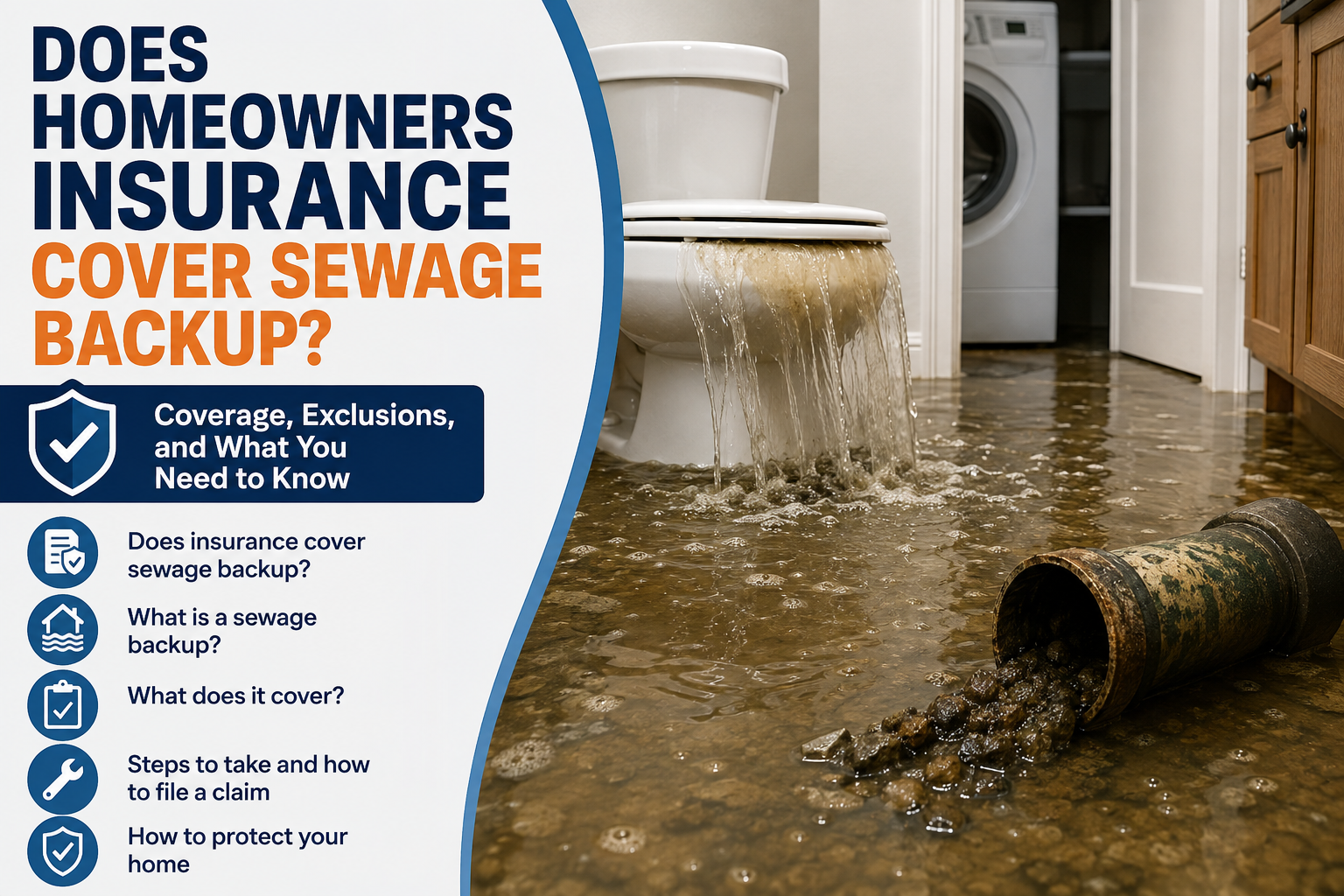
Sewage backups
Toilet overflows
Flooding from heavy rain
This water is highly contaminated water and poses a serious risk to human health.
What Causes Flood Water Category 3?
Flood water category 3 can happen in many ways. Common causes include:
Sewage Backups
Sewage backups bring in contaminated water filled with bacteria and waste. This creates a dangerous combination of toxins and pathogens.
Heavy Rain and Flooding
Storms and flooding can push dirty water into your home. This water often contains chemicals, dirt, and harmful bacteria.
Burst Pipes and Plumbing Failures
When pipes burst, especially near waste lines, they can release contaminated water. This quickly turns into category 3 water damage.
Sump Pump Failures
A broken sump pump can allow standing water to build up. Over time, this leads to further contamination and bacterial growth.
Why Category 3 Water Is So Dangerous
Serious Health Risks
Flood water category 3 carries serious health risks. It contains:
Harmful bacteria
Viruses
Parasites
These can lead to severe illness and even death in extreme cases.
Direct Contact Is Unsafe
You should never touch black water. Direct contact can cause infections, skin problems, and respiratory problems.
Prolonged Exposure Is Worse
Prolonged exposure to contaminated water increases the risk of:
Long-term health issues
Lung infections
Digestive illness
This is why experts always say to prioritize safety first.
Health Hazards Linked to Category 3 Water
Flood water category 3 is a major threat to human health. Some of the biggest health hazards include:
Bacterial Growth and Microbial Growth
Standing water creates the perfect space for bacterial growth and microbial growth. This spreads quickly and affects the entire affected area.
Mold Growth
One of the biggest concerns is mold growth. Mold can start within 24–48 hours and spread through:
Walls
Floors
Porous materials
This leads to breathing problems and long-term damage.
Respiratory Problems
Breathing in contaminated air can cause:
Coughing
Wheezing
Asthma attacks
This is especially dangerous for children and older adults.
How Category 3 Water Damages Your Home
Damage to Porous Materials
Porous materials like:
Drywall
Carpet
Wood
absorb contaminated water quickly. These items often cannot be saved.
Structural Damage
Flood damage can weaken your home’s structure. Over time, this leads to:
Warped floors
Cracked walls
Unsafe living conditions
Further Damage Over Time
If you delay cleanup, further damage will occur. This includes:
More mold
More contamination
Higher repair costs
The Restoration Process for Category 3 Water Damage
Cleaning flood water category 3 is not a DIY job. It requires trained experts and specialized equipment.
Step 1: Immediate Action
The first step is to act fast. Quick response helps reduce damage and health risks.
Step 2: Water Extraction
Professionals remove standing water using high-powered tools. This is called water extraction.
Step 3: Removal of Contaminated Materials
All contaminated materials must be removed. This includes:
Carpets
Furniture
Porous items
Step 4: Deep Cleaning and Disinfection
The cleanup process involves strong cleaning agents to kill harmful bacteria.
Step 5: Structural Drying
Experts use fans and dehumidifiers for structural drying. This stops mold and moisture damage.
Step 6: Mold Remediation
If mold is present, mold remediation is needed. This ensures the home is safe again.
Why You Need Professional Cleanup
Safety Comes First
Category 3 water is not safe. Professionals wear protective gear to avoid exposure.
Proper Equipment and Training
Certified teams use:
Industrial dryers
Air scrubbers
Moisture meters
They also have restoration certification to handle hazardous situations.
Prevent Further Contamination
Without proper cleanup, you risk further contamination and ongoing damage.
Insurance and Category 3 Water Damage
Filing an Insurance Claim
After flood damage, you should contact your insurance provider right away. Document:
Photos of damage
Affected area details
Items lost
Understanding Your Insurance Policy
Not all policies cover flooding. Check your insurance policy to see what is included.
Homeowners Insurance Coverage
Some homeowners insurance plans cover:
Burst pipes
Appliance leaks
But they may not cover flooding from outside sources.
Common Sources of Category 3 Water in Homes
Toilet Overflows
Toilet overflows often contain waste and bacteria, making them category 3.
Washing Machine Failures
A broken washing machine can leak contaminated water if it backs up.
Sewage Backups
These are one of the most dangerous sources of black water.
Flooding from Storms
Heavy rain can bring in highly contaminated water from outside.
Safety Tips for Property Owners
Avoid Direct Contact
Never touch contaminated water. It can cause serious infections.
Turn Off Utilities
If safe, turn off electricity and water to prevent more damage.
Wear Protective Gear
If you must enter the area, use gloves, boots, and masks.
Call Restoration Professionals
Always seek professional intervention for safe cleanup.
How to Prevent Category 3 Water Damage
Maintain Your Plumbing
Check pipes, drains, and appliances regularly to prevent leaks.
Install a Sump Pump
A working sump pump helps reduce flooding risks.
Clean Drains and Sewers
Keep systems clear to avoid backups.
Prepare for Heavy Rain
Seal your home and improve drainage to reduce flooding.
Why Immediate Action Matters
Waiting too long can lead to:
More property damage
Higher repair costs
Increased health risks
Taking immediate action helps protect your home and your family.
The Importance of Professional Help
Category 3 water damage needs expert care. Restoration professionals know how to:
Handle contamination
Remove hazards
Restore your home to pre loss condition
This ensures your space is safe again.
Conclusion: Stay Safe and Act Fast
Flood water category 3 is a serious problem that should never be ignored. It involves highly contaminated water that can cause severe illness, major damage, and long-term risks.
By understanding the dangers, acting quickly, and getting professional cleanup, you can protect your home and your health. Always remember to prioritize safety and seek expert help when dealing with category 3 water damage.
FAQs
What is flood water category 3?
Flood water category 3 is highly contaminated water that contains sewage, bacteria, and harmful toxins. It is the most dangerous type of water damage.
Is category 3 water dangerous to health?
Yes, it poses serious health risks including infections, respiratory problems, and severe illness from harmful bacteria and contaminants.
Can I clean category 3 water myself?
No, professional cleanup is required. It involves hazardous materials that need specialized equipment and trained experts.
What should I do after category 3 flooding?
Take immediate action by avoiding contact, turning off utilities, and calling restoration professionals for safe cleanup.
Does insurance cover category 3 water damage?
It depends on your insurance policy. Some homeowners insurance covers certain causes, but flooding may require separate coverage.