Mold Allergies Symptoms: What Homeowners Need to Know
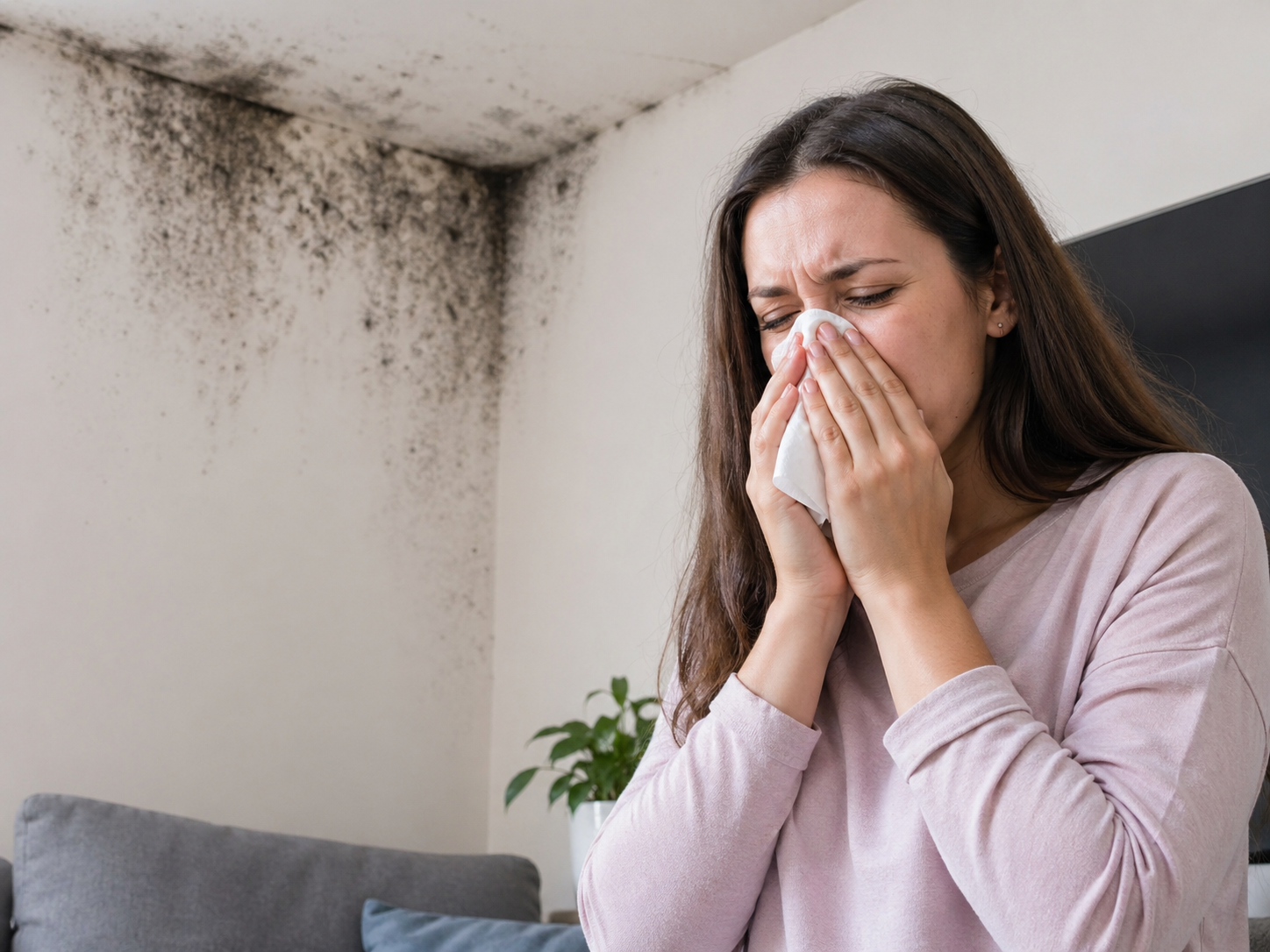
Mold allergies symptoms can make your home feel unsafe and hard to breathe in. If you see mold growth or smell a musty odor, it may be time to learn more about mold removal in Orange County and how Preferred Restoration Services can help remove mold from your home. Mold can grow in damp areas, spread through the air, and cause allergy symptoms for many people.
A mold allergy happens when your immune system reacts to mold spores. These tiny particles are also called spores. They can float in outdoor air and indoor air. When you breathe in spores in the air, your body may think they are harmful. This can lead to allergic reactions, respiratory allergies, asthma symptoms, and other allergic symptoms.
Not all molds affect people the same way. Some people may only get a runny nose. Others may have a stuffy nose, chest tightness, or shortness of breath. People with weakened immune systems, allergic asthma, or a severe allergy may have stronger symptoms after mold exposure.
What Is a Mold Allergy?
A mold allergy is the body’s reaction to mold spores. Mold is a type of fungus. Molds grow both inside and outside. Common molds include alternaria, aspergillus, cladosporium, and penicillium.
When mold spreads, it can release tiny spores into the air. These spores can be breathed in through the nose and mouth. For people allergic to mold, this can cause allergies, allergic rhinitis, nasal congestion, and other respiratory allergies.
Why Mold Spores Cause Allergic Reactions
Mold spores are very small. You often cannot see them without special tools. They can travel through outdoor air, indoor air, air conditioners, central air conditioning systems, and poor ventilation areas.
When mold counts are high, more spores are in the air. This can make allergy symptoms worse. Mold counts are high more often during wet, humid, or windy weather. Most outdoor molds grow in soil, compost piles, rotting logs, leaves, and damp environments.
Inside the home, indoor molds can grow near excess moisture. Mold problems often start in bathrooms, kitchens, basements, laundry rooms, ceiling tiles, walls, floors, carpet, and other absorbent materials.
Common Mold Allergies Symptoms
Mold allergies symptoms can feel like seasonal allergies or other respiratory allergies. This can make it hard to know if mold is the cause. Many people think they have a cold when they are really reacting to mold exposure.
Nose and Sinus Symptoms
Mold allergy symptoms often affect the nose first. Common symptoms include:
Runny nose
Stuffy nose
Nasal congestion
Sneezing
Postnasal drip
Itchy nose
Sinus pressure
These symptoms may get worse in damp areas or rooms with poor ventilation. If your symptoms improve when you leave the home, mold may be part of the problem.
Eye and Throat Symptoms
Mold can also bother the eyes and throat. You may feel:
Watery eyes
Itchy eyes
Red eyes
Scratchy throat
Coughing
Throat clearing
These allergic symptoms can happen when mold spores are floating through the air. They may also get worse when air conditioners or central air conditioning systems move spores around the home.
Breathing and Chest Symptoms
Some people have stronger respiratory allergies from mold. Mold exposure may cause:
Shortness of breath
Chest tightness
Wheezing
Coughing
Asthma symptoms
Allergic asthma flare-ups
These signs can be more serious. If breathing feels hard or asthma symptoms get worse, it is important to speak with a doctor. A severe allergy or asthma attack should be treated right away.
Mold Exposure and Asthma Symptoms
Mold exposure can be a trigger for people with asthma. This is often called allergic asthma when the asthma is caused or made worse by an allergy to mold.
How Mold Can Affect Breathing
When someone with asthma breathes in mold spores, the airways may swell. This can make the chest feel tight. It can also cause coughing, wheezing, and shortness of breath.
Mold does not affect every person the same way. Not all molds are toxic mold, and not all molds cause the same response. But even common molds can cause allergies in sensitive people.
When Symptoms May Be More Serious
Some people are at higher risk for strong allergic reactions. This can include:
People with asthma
People with allergies
Children
Older adults
People with weakened immune systems
People with long-term lung problems
If someone has trouble breathing, chest pain, or severe allergy symptoms, they should get medical help. Preferred Restoration Services can help remove mold from the home, but health symptoms should be checked by a medical provider.
Indoor Molds vs Outdoor Molds
Both indoor molds and outdoor molds can cause mold allergies symptoms. The main difference is where they grow and how people are exposed.
Outdoor Molds
Outdoor molds are found in nature. Most outdoor molds grow in damp soil, leaves, compost piles, rotting logs, and shaded areas. Mold counts may rise after rain, during windy weather, or when the air is humid.
Outdoor molds can enter the home through open windows, doors, vents, shoes, pets, and clothing. Once inside, they may settle in damp environments if there is enough moisture.
Indoor Molds
Indoor molds grow inside the home when moisture is present. Mold growth may happen near leaks, floods, condensation, and poor ventilation.
Indoor molds may grow on:
Bathroom carpeting
Ceiling tiles
Drywall
Wood
Insulation
Cabinets
Carpet padding
Upholstery
Paper products
Other absorbent materials
Molds grow best in damp areas. This is why it is important to prevent mold growth by controlling indoor humidity, fixing leaks fast, and keeping rooms properly ventilated.
What Causes Mold Growth in a Home?
Mold growth needs moisture, food, and time. Homes often have many materials mold can feed on, such as wood, drywall, paper, dust, and fabric. When excess moisture is added, mold problems can begin.
Common Mold Sources
A mold source may be easy to see, or it may be hidden behind walls and floors. Common sources include:
Leaking pipes
Roof leaks
Flood damage
Wet carpet
Poor ventilation
High indoor humidity
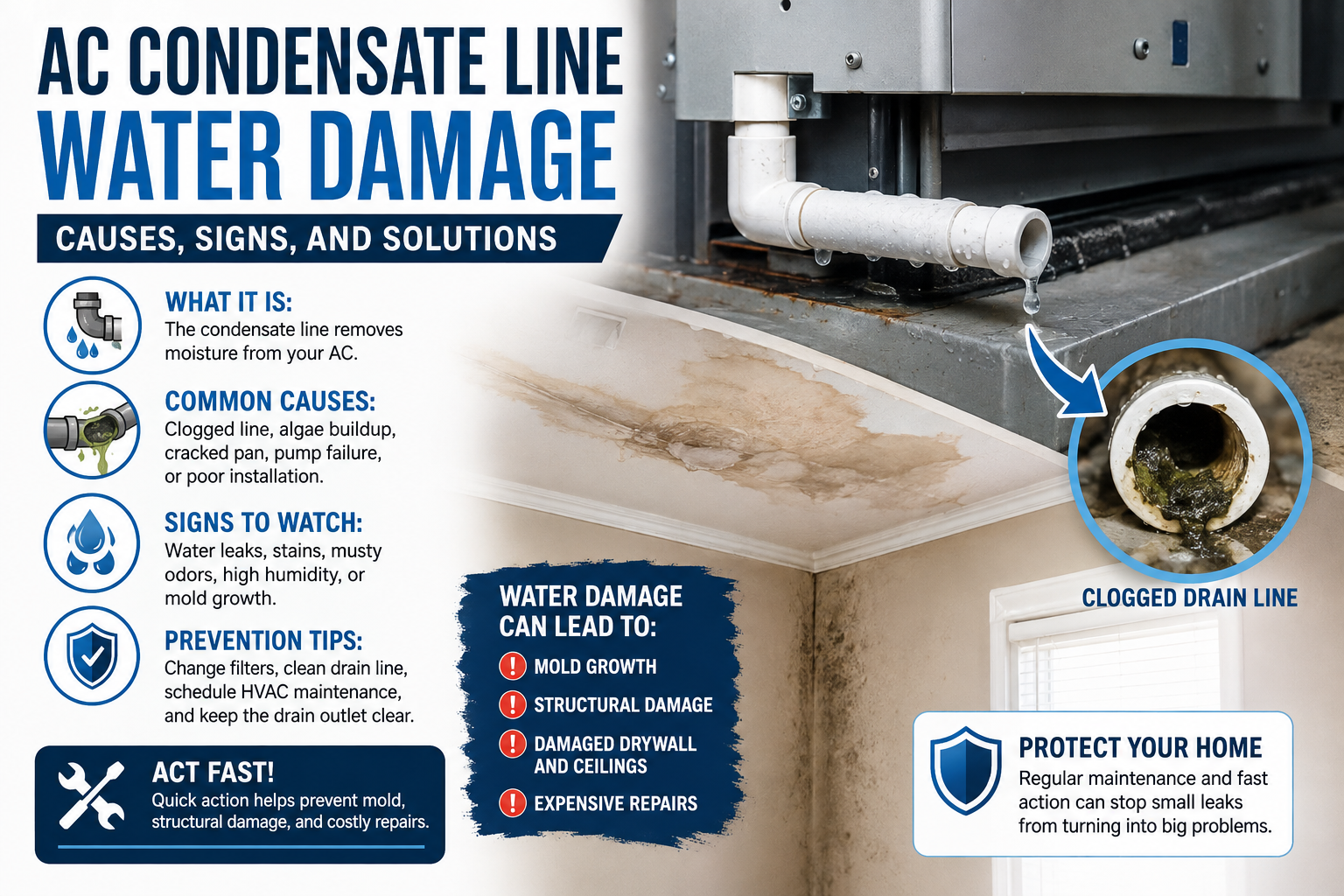
Condensation coils
Dirty air conditioners
Damp basements
Bathroom carpeting
Clogged rain gutters
Moisture under sinks
Water near foundations
If the mold source is not fixed, mold spreads and may come back after cleaning.
Why Moisture Control Matters
The best way to prevent mold is to control moisture. Mold spores are almost always around us, but they need damp areas to grow.
To prevent mold growth, homeowners should keep indoor humidity low, fix leaks, dry wet areas fast, and make sure rooms are properly ventilated. Good moisture control can also help reduce symptoms for people with a mold allergy.
How Doctors Check for Mold Allergy
If you think you are allergic to mold, a doctor or allergy specialist can help. They may review your medical history, ask about your home, and perform a physical exam.
Medical History and Physical Exam
A doctor may ask when symptoms started, where symptoms happen, and whether they get worse in damp environments. They may also ask if you have asthma, seasonal allergies, allergic rhinitis, or other respiratory allergies.
A physical exam may include checking your nose, throat, lungs, and breathing.
Allergy Testing
Allergy testing can help show if you have an allergy to mold. Testing may include a skin test or blood test. These tests can check if your immune system reacts to common molds like alternaria, aspergillus, cladosporium, and penicillium.
If allergy testing shows you are allergic to mold, your doctor may suggest ways to reduce symptoms. This may include medicine, nasal sprays, air filters, or allergy shots.
How to Reduce Mold Allergy Symptoms at Home
You can reduce symptoms by lowering mold exposure. This means cleaning up moisture, fixing leaks, and removing mold safely.
Keep Indoor Humidity Low
Indoor humidity should be controlled to help prevent mold growth. High humidity can cause damp environments where molds grow.
Helpful steps include:
Use dehumidifiers in damp areas
Use bathroom fans during showers
Open windows when outdoor air is dry
Keep air moving
Fix plumbing leaks
Dry wet materials quickly
Clean condensation coils
If you use central air conditioning, keep the system clean and well maintained. Air conditioners can help lower humidity, but dirty systems may trap mold spores or move spores through the home.
Improve Ventilation
Poor ventilation can make mold problems worse. Bathrooms, kitchens, laundry rooms, attics, and crawl spaces should be properly ventilated.
Good airflow can help dry moisture faster. It can also lower the chance that indoor molds will grow on walls, ceilings, and floors.
Remove Mold Sources
To reduce symptoms, you must remove mold and fix the mold source. Cleaning only the surface may not solve the problem if moisture is still present.
Preferred Restoration Services can inspect the affected area, find the moisture source, remove mold, and help prevent mold from coming back.
Home Cleaning Tips to Prevent Mold
Some small cleaning steps can help prevent mold in the home. These steps are helpful for people with mold allergy symptoms.
Bathroom and Kitchen Tips
Bathrooms and kitchens are common places for mold growth. Water, steam, and poor airflow can create damp areas.
Helpful steps include:
Remove bathroom carpeting
Dry showers and tubs after use
Run bathroom fans
Clean refrigerator door gaskets
Check under sinks for leaks
Throw away moldy food
Clean tile and grout
Do not let wet towels sit in piles
Bathroom carpeting can hold moisture and trap mold spores. It is often better to use washable rugs that can dry quickly.
Gutters and Drainage Tips
Water outside the home can also cause indoor mold. If rainwater does not move away from the house, it may enter the foundation, crawl space, or basement.
Helpful steps include:
Clean rain gutters
Extend downspouts away from the home
Promote groundwater drainage
Keep soil sloped away from the house
Check for roof leaks
Remove wet leaves and debris
Groundwater drainage helps keep moisture away from the home. This can lower the chance of mold growth inside.
How to Safely Handle Mold
If you see mold, be careful. Disturbing mold can release more spores in the air. This can make allergy symptoms worse.
Wear Protective Clothing
When dealing with mold, wear protective clothing. This may include gloves, eye protection, long sleeves, and a mask. People with severe allergy, asthma symptoms, or weakened immune systems should avoid cleaning mold themselves.
Protective clothing helps lower direct contact with mold. It can also help prevent mold spores from getting on your skin and clothing.
Know When to Call a Professional
Call Preferred Restoration Services if:
Mold keeps coming back
You smell musty odors
Mold covers a large area
There was recent water damage
You see mold on ceiling tiles, walls, or flooring
Someone has strong allergy symptoms
You are worried about toxigenic molds
The mold source is hidden
Professional mold removal can help protect the home and reduce mold exposure.
Can Mold Be Toxic?
Some people use the term toxic mold to describe molds that may produce mycotoxins. These are sometimes called toxigenic molds. However, not all molds are toxigenic molds, and not all molds create the same health risk.
What Homeowners Should Understand
Any visible mold should be taken seriously. Even if mold is not called toxic mold, it can still cause allergies, allergic reactions, asthma symptoms, and other respiratory allergies.
For people allergic to mold, even common molds may cause symptoms. The safest step is to remove mold, fix moisture, and prevent mold growth.
Can Air Conditioning Help Mold Allergies?
Central air conditioning can help lower indoor humidity. This can help prevent mold growth. But air conditioners must be clean and working well.
How Air Conditioners Can Trap Mold Spores
Air conditioners and filters may trap mold spores, dust, and other particles. If filters are dirty or condensation coils are not cleaned, mold may grow in the system.
To help reduce symptoms:
Change filters often
Clean condensation coils
Keep drain pans clear
Make sure ducts are dry
Schedule system maintenance
Use a good filter
Keep indoor humidity under control
A clean system may help lower spores in the air. A dirty system may make mold exposure worse.
Treatment Options for Mold Allergy
Preferred Restoration Services helps remove mold from the home, but a doctor helps treat the body’s reaction. If you have mold allergies symptoms, ask a medical provider about the right care.
Common Medical Options
A doctor may suggest:
Antihistamines
Nasal sprays
Decongestants
Asthma inhalers
Allergy shots
Allergy testing
Allergy shots may help some people with long-term mold allergy problems. They work by helping the immune system react less strongly over time.
Home Steps That May Reduce Symptoms
You may also reduce symptoms by lowering mold exposure. Keep windows closed when mold counts are high. Avoid compost piles and rotting logs if outdoor molds trigger your allergies. Use protective clothing when doing yard work. Keep indoor humidity low. Fix leaks fast. Remove mold when it appears.
These steps may help reduce symptoms, but they do not replace medical care for severe allergy or asthma.
When Mold Counts Are High
Mold counts measure how much mold is in the air. Mold counts are high during certain weather and seasons. This can make symptoms worse for people allergic to mold.
Weather That Can Raise Mold Counts
Mold counts may rise during:
Windy weather
Humid days
After rain
During warm seasons
When leaves decay
Near compost piles
Around rotting logs
During outdoor cleanup
If mold counts are high, people with mold allergy may want to keep windows closed and limit outdoor work.
How Preferred Restoration Services Can Help
Preferred Restoration Services helps homeowners find mold problems, remove mold, and prevent mold from returning. Mold removal is not just about cleaning what you can see. It also means finding moisture, stopping water problems, and removing damaged materials when needed.
Mold Removal and Prevention
A professional team can check damp areas, look for hidden mold growth, remove affected absorbent materials, clean surfaces, and help prevent mold growth in the future.
This can help protect your home and may lower mold exposure for people with allergy to mold. If your home has mold growth, musty smells, water damage, or poor ventilation, Preferred Restoration Services can help.
Final Thoughts on Mold Allergies Symptoms
Mold allergies symptoms can include runny nose, stuffy nose, nasal congestion, postnasal drip, coughing, chest tightness, shortness of breath, and asthma symptoms. These symptoms happen when the immune system reacts to mold spores.
Mold exposure can come from indoor molds and outdoor molds. Mold growth is more likely in damp areas with excess moisture, poor ventilation, and absorbent materials. To prevent mold, control indoor humidity, fix leaks, clean rain gutters, promote groundwater drainage, and remove mold quickly.
If you think you are allergic to mold, talk to a doctor about allergy testing, medical history, physical exam, and treatment options. If you find mold in your home, contact Preferred Restoration Services for safe mold removal and prevention.
FAQs About Mold Allergies Symptoms
What are the most common mold allergies symptoms?
The most common mold allergies symptoms include runny nose, stuffy nose, nasal congestion, sneezing, coughing, postnasal drip, itchy eyes, and watery eyes. Some people may also have asthma symptoms, chest tightness, or shortness of breath.
Can mold exposure cause asthma symptoms?
Yes. Mold exposure can trigger asthma symptoms in some people. This is more common in people with allergic asthma or a mold allergy. Symptoms may include wheezing, coughing, chest tightness, and trouble breathing.
How do I know if I am allergic to mold?
A doctor can review your medical history, do a physical exam, and order allergy testing. These steps can help show if your immune system reacts to mold spores or common molds.
How can I prevent mold growth in my home?
You can prevent mold growth by fixing leaks, drying wet areas fast, lowering indoor humidity, improving airflow, cleaning rain gutters, removing bathroom carpeting, and keeping the home properly ventilated.
Should I remove mold myself?
Small mold spots may sometimes be cleaned safely, but large mold problems should be handled by professionals. Wear protective clothing if you clean small areas. Call Preferred Restoration Services if mold spreads, keeps coming back, or is caused by water damage.