How Smoke Spreads Through a House
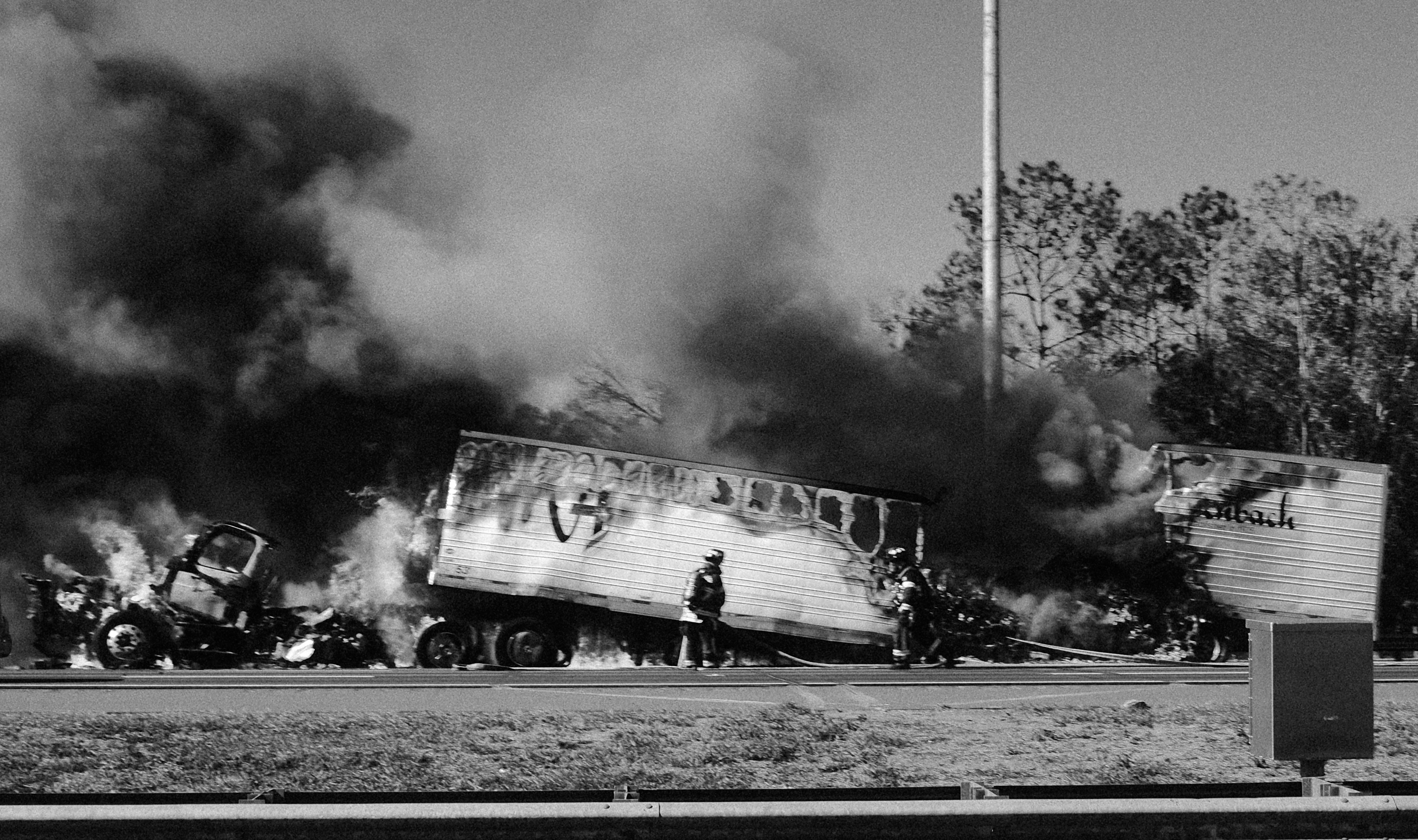
When a fire starts, many people think the flames are the biggest danger. But in truth, smoke spreads through a house much faster and can be more dangerous. In the first moments of a fire, smoke can fill a room, travel through walls, and move into other areas of the building.
If you want to understand fire damage and recovery, visit Preferred Restoration Services to learn more about fire safety and restoration.
Smoke moves quickly because it follows the flow of air. It travels through space, climbs to ceilings, and then spreads across the entire house. This is why knowing how smoke behaves can help save lives.
What Causes Fire and Smoke to Spread
The Fire Triangle Explained
A fire begins when three elements come together:
- Heat
- Fuel
- Oxygen
This is called the fire triangle. A fire is a fast chemical reaction where these three elements combine. This process creates flames, heat, and smoke.
A fire can grow very fast. It only takes about 30 seconds for a fire to start and begin to spread. Once it begins, it creates more heat, which helps it grow even bigger.
Why Fire Behavior Is So Dangerous
Fire behavior is dangerous because it keeps feeding itself. As it burns flammable materials like wood, oil, or upholstered furniture, it creates more heat and spreads faster.
This is why a fire in just one room can quickly turn into a burning building. Within minutes, the entire house can be at risk.
How Smoke Spreads Through a House
Smoke Moves Faster Than Flames
One important fact is that smoke spreads faster than fire. While flames may stay in one area at first, smoke can travel through the entire house in minutes.
Smoke is made of:
- Hot gases
- Toxic vapors
- Fine particles
These include harmful gases that can cause smoke inhalation before flames even reach a person.
Convection Currents and Air Flow
The biggest reason smoke spreads is convection.
When a fire heats the air, the hot air rises. This creates convection currents. As hot air rises, cooler air moves in to replace it. This cycle pushes smoke through the house.
- Smoke rises to ceilings
- It spreads across the top of the room
- Then it moves into other areas
This is why smoke can move from the floor to upper levels quickly.
The Stack Effect and Chimney Effect
Smoke also spreads using the stack effect. This happens when hot air rises through vertical areas like stairwells.
The chimney effect can pull smoke from a basement fire to the top floor within minutes, even if the fire stays in one place.
Smoke Follows the Path of Least Resistance
Smoke moves from high pressure to low pressure areas. It travels through:
- Hallways
- Open doors
- HVAC systems
- Cracks and gaps
It can enter crevices and move through hidden spaces inside the building.
Smoke Can Sink and Fill Lower Levels
As smoke cools, it becomes heavier. This means it can drop and fill lower levels of the house. So even if the fire is upstairs, smoke can still fill rooms below.
How Fire Spreads Through a House
Heat Transfer Methods
Fire spreads in several ways through heat transfer:
Conduction
This is when heat moves through materials that are touching. Heat can travel through metal, walls, or beams and start a fire in another area.
Convection
This is the movement of heat through air. It is the biggest cause of fire spread because hot air rises and spreads heat.
Radiation
Heat can travel in waves and ignite nearby materials without touching them. This can affect glass and other nearby surfaces.
Direct Contact
When flames touch a material, it can catch fire instantly. This often happens with highly flammable materials.
Flame Spread and Ignition
As flames grow, they create a very high temperature. This heat can cause nearby materials to ignite even without direct contact.
This process is called flame spread, and it allows fire to move quickly from one object to another.
Why Smoke Is More Dangerous Than Fire
Toxic Gases and Low Visibility
Smoke is often the biggest danger in a fire. It contains toxic gases that can harm a person quickly.
It also reduces visibility. Thick smoke can:
- Block exit signs
- Slow people down
- Cause panic
Smoke Fills Spaces Quickly
Smoke can fill a room very fast. It moves both across and up and down, filling every space it can reach.
Because of this, people may not realize what is happening until it becomes very dangerous.
Fire Safety and Prevention Tips
How to Prevent Fire Spread
To prevent fire spread, one part of the fire triangle must be removed.
Helpful tips include:
- Keep flammable materials away from heat
- Store liquids like oil safely
- Maintain electrical systems
- Follow fire safety regulations
Use Fire Resistant Materials
Using fire resistant materials can slow the spread of fire. These materials protect parts of the house and give people more time to escape.
Install Fire Doors and Safety Systems
Fire doors are built to handle high temperatures. They help contain fire and smoke in one space.
Other systems include:
- Smoke curtains
- Safety shutters
- Passive fire protection systems
These systems divide the building into smaller sections to slow fire spread.
Close Doors to Slow Smoke
A closed door can help control smoke. It slows the spread and keeps air cleaner inside a room.
This simple step can help save lives.
The Role of Property Owners and Managers
A property manager or homeowner should stay prepared by:
- Learning about fire behavior
- Following safety rules
- Keeping systems working
Being aware and prepared can protect both people and property.
Why Knowledge of Fire Spread Matters
Understanding how smoke spreads through a house helps you act quickly. It helps protect your home and the people inside.
Fire safety is about being ready and knowing what is happening during a fire.
Preventative Measures to Stay Safe
Key preventative measures include:
- Install smoke detectors
- Make a fire escape plan
- Practice safety drills
- Keep exits clear
These steps can reduce risk and improve safety.
Final Thoughts
Smoke can move fast and fill a home before flames spread. Understanding fire behavior, heat transfer, and smoke movement can help you stay safe.
Taking the right steps now can protect your home and your family.
FAQs
How does smoke spread so fast in a house?
Smoke spreads quickly because of convection currents. Hot air rises and carries smoke throughout the house, filling spaces rapidly.
Can smoke travel through walls?
Yes, smoke can move through cracks, crevices, and HVAC systems inside walls, spreading into other rooms.
Why is smoke more dangerous than fire?
Smoke contains toxic gases and reduces visibility, making it harder to breathe and escape safely.
Do closed doors really help during a fire?
Yes, closed doors can slow smoke spread and improve air quality during a fire.
How can I prevent fire from spreading in my home?
Use fire-resistant materials, install fire doors, keep flammable items away from heat, and follow fire safety regulations.