What Color Is Dangerous Mold?
If you have found fuzzy spots on walls, wood, ceilings, or furniture, the first question is usually urgent: what color is dangerous mold? The honest answer is that color can warn you, but it cannot confirm safety. Some deadly-looking dark patches are less harmful, while pale growth can still be toxic.
The dangerous mold colors most homeowners worry about include black, green, white, brown, orange, red, and yellow. However, the real threat comes from the mold type, the moisture problem behind it, and whether spores or mycotoxins are being released into the air.
Why Mold Colors Can Be Misleading
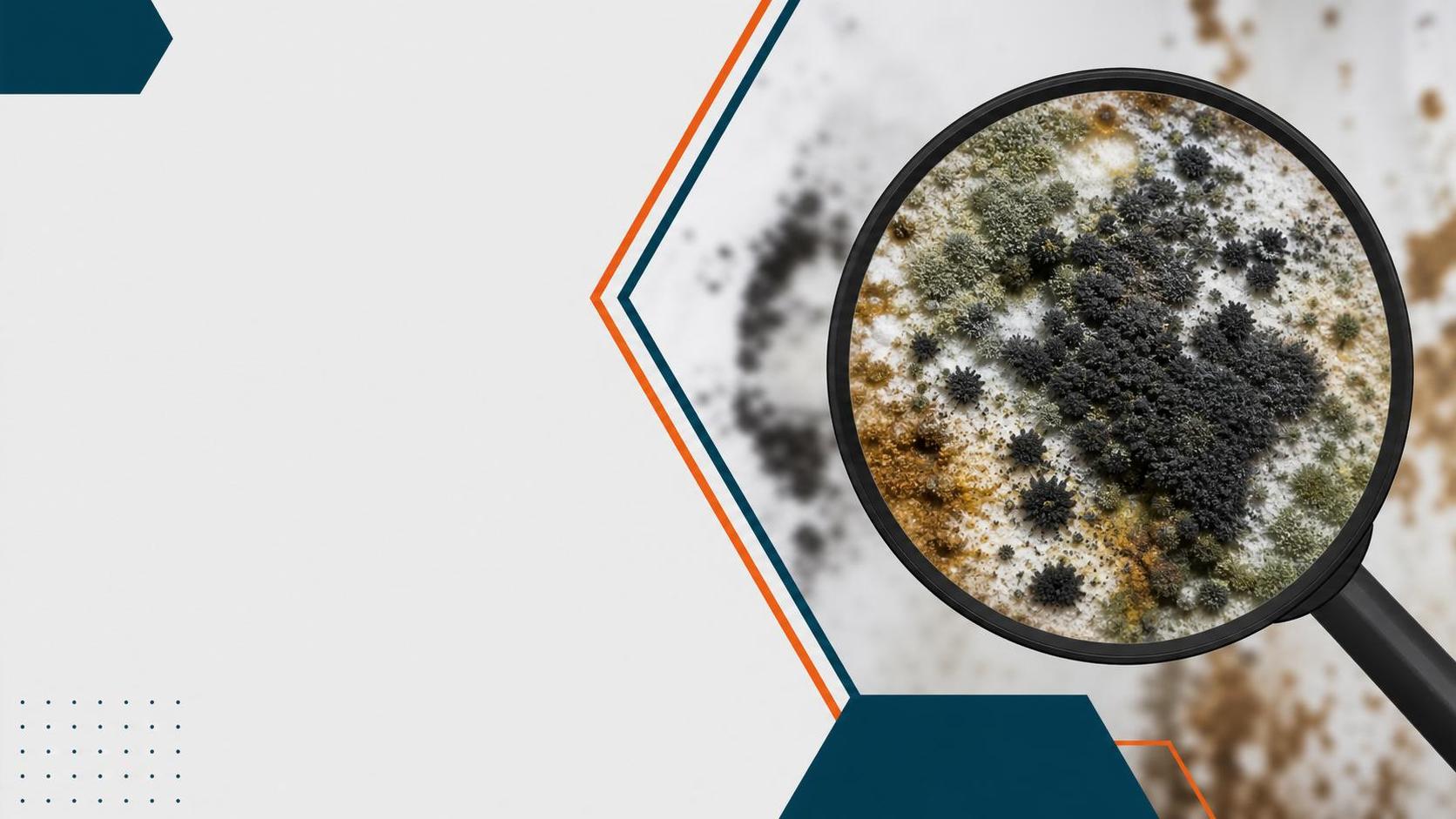
Mold colors change with moisture, food source, age, light, and environmental conditions. The same fungus can appear in various colors during its life cycle, so identifying mold by shade alone is never enough.
Color is not a reliable indicator of the species or toxicity of mold. It is often more connected to moisture levels, growth morphology, and the surfaces where the colony is feeding.
The Centers for Disease Control and Prevention guidance on disease control is simple: all indoor mold should be treated as a health concern and removed promptly, regardless of color.
Black Mold: The Color People Fear Most
Black mold is the color most associated with danger, especially when it appears as slimy, greenish black staining on damp drywall, insulation, or water damaged materials. Black mold is commonly found after leaks, floods, and long-term water damage.
stachybotrys chartarum, often called black mold, is notorious because it can produce mycotoxins linked to severe respiratory irritation, coughing, immune stress, and allergic reactions. This is why toxic black mold should be taken seriously.
Still, not all black molds are the same. not all black molds are Stachybotrys, and some black mold is less aggressive than feared. The problem is that black mold can look similar across several mold species, so testing or professional evaluation may be needed.
If black mold covers more than ten square feet, if it returns after cleaning, or if there is a musty odor, professional intervention is the safest path. Large mold colonies can create serious health risks and require containment, filtration, and specialized cleaning.
Toxic Black Mold and Mycotoxins
Toxic black mold is dangerous because certain strains produce mycotoxins that may become airborne with disturbed dust. stachybotrys chartarum can grow on cellulose-rich building materials after chronic water damage.
Mycotoxins are not the same as ordinary allergens. In sensitive people, prolonged exposure may contribute to inflammation, respiratory distress, immune suppression, and symptoms that feel systemic.
Green Mold: Common, But Not Always Harmless
Green mold is the most common color seen indoors and outdoors. Many species appear green, olive, blue-green, or dark green depending on age and moisture.
Green mold can grow on food, carpet, insulation, wood, painted surfaces, and damp areas near plumbing. Green mold may look powdery, velvety, or fuzzy.
Some green mold species, including Aspergillus and Penicillium, can produce mycotoxins. Green mold can trigger allergic reactions, asthma flares, eye irritation, itchy skin, and a sore throat in sensitive occupants.
Green mold is especially concerning for immunocompromised people, the elderly, and those with respiratory conditions. Green mold does not always mean toxic mold, but green mold should never be ignored when it is indoors.
Because green is the most common color, homeowners may underestimate it. Green mold in crawl spaces, cabinets, bathrooms, or basements often signals an active moisture problem that must be fixed.
White Mold: Easy to Miss, Easy to Spread
White mold can blend in with dust, efflorescence, or salt deposits, which makes it harder to notice. White mold often appears powdery or cottony on wooden surfaces, joists, furniture, fabric, and stored items.
White mold is commonly found in attics, basements, and other damp environments. It may feed on organic materials and can be easily spread when disturbed.
White mold exposure can cause allergic reactions, respiratory irritation, and immune stress, especially in people with compromised immune systems. Some white mold strains can produce mycotoxins that accumulate with long exposure.
If you cannot tell whether a pale stain is white mold or mineral residue, avoid scraping it dry. A moisture reading and inspection can reveal whether there is a hidden moisture problem.
Orange Mold, Yellow Mold, and Slime Mold
Orange mold is often seen on wet wood, bathroom grout, drains, spoiled food, and leaky areas. Orange mold can look slimy rather than fuzzy, and it may grow quickly in moist areas.
Orange mold is generally considered less dangerous than black mold, but prolonged exposure may still create health risks for someone with a weak immune system. Orange mold should be cleaned only after the moisture source is eliminated.
Yellow mold can appear powdery, bright, mustard-like, or fuzzy. Some yellow mold is a house fungus, while other growth may be a slime mold that grows outdoors on mulch or decaying vegetation.
Because yellow mold and orange growth can resemble harmless staining, the safest approach is to treat visible indoor growth as contamination until proven otherwise.
Red Mold, Pink Mold, and Brown Mold
Red mold is less common than green mold or black mold, but it can grow in bathrooms, on food, and around chronic leaks. Red mold may appear alongside other molds, especially where water damage has persisted.
Some red mold is actually bacteria, but red mold can still contribute to allergic reactions and unpleasant odors. Red mold around showers, toilets, or sinks usually points to damp areas that need better cleaning and ventilation.
Pink mold is also frequently bacterial, but it thrives in similar conditions and should be removed from surfaces that stay wet.
Brown mold may look tan, brown, or almost black. Brown mold is often found on wood, walls, ceilings, and damp insulation. A brown stain that expands, smells, or becomes fuzzy is not just cosmetic.
Which Types of Mold Are Most Concerning?
There are many types of mold, and not all types can be judged by sight. The types of mold most often discussed in indoor air quality include Stachybotrys, Aspergillus, Penicillium, Cladosporium, and Alternaria.
Aspergillus is a common indoor fungus that may produce mycotoxins and is associated with respiratory problems, particularly in people with pre-existing health issues. Alternaria is another prevalent mold type that can worsen asthma, although it is generally considered less dangerous than Stachybotrys.
The types of mold that matter most are the ones actively growing indoors, releasing spores, and feeding on damp materials. Some mold species are allergenic, some are pathogenic, and some are toxic.
Different types of mold can share the same color. That is why laboratory analysis is sometimes useful, especially after recurring contamination or ongoing health symptoms.
Health Risks of Mold Exposure
The primary danger from mold comes from spores and mycotoxins that become airborne. Mold spores are lightweight and can travel through air, causing health problems after inhalation or skin contact.
Common health risks include allergic reactions, congestion, coughing, wheezing, headaches, fatigue, and irritated eyes. In severe cases, toxic mold exposure may contribute to chronic inflammation or immune system suppression.
People with asthma, allergies, infants, older adults, and those with compromised immune systems are more vulnerable. For some, symptoms can become serious or even life threatening if exposure is prolonged.
Can Mold Toxicity Cause High CRP?
C-reactive protein, or CRP, is a general marker of inflammation. Mold exposure may contribute to inflammatory stress in some people, so high CRP can appear in the larger picture of illness, but it is not specific proof of toxic mold exposure.
If you suspect exposure and have elevated CRP, speak with a qualified medical professional. Testing should consider infections, autoimmune disease, metabolic issues, and environmental exposure together.
Does Mold Cause Hashimoto’s?
Mold has not been proven to directly cause Hashimoto’s thyroiditis. However, prolonged exposure to toxic indoor contamination may worsen inflammation or immune dysregulation in susceptible individuals.
People with autoimmune disease often feel better when indoor air quality improves, but thyroid diagnosis and treatment should always be managed by a clinician.
Can Mold Exposure Cause Multiple Sclerosis?
There is no solid evidence that mold exposure directly causes multiple sclerosis. MS is a complex neurological autoimmune disease with genetic, immune, and environmental factors.
That said, exposure may aggravate fatigue, brain fog, allergies, or inflammation in some people, which can overlap with neurological complaints. Medical evaluation is essential if symptoms are new, severe, or progressing.
How to Identify a Mold Problem at Home
Identifying mold involves looking for fuzzy, slimy, or powdery spots in damp areas. Check behind furniture, under sinks, around windows, inside closets, in basements, and near roof leaks.
Watch for peeling paint, swollen trim, stained walls, condensation, and recurring odors. Mold grows when moisture remains, so visual signs should always lead to moisture tracking.
Regular inspections of bathrooms, attics, crawl spaces, laundry rooms, and basements can catch contamination early before it spreads extensively.
When Mold Removal Requires a Professional
Effective mold removal begins by finding and eliminating the source of moisture, because mold requires moisture to grow. Cleaning the stain without fixing the leak almost guarantees a return.
Professional remediation is recommended when mold colonies exceed ten square feet, when black mold is suspected, when HVAC systems are involved, or when occupants have significant health risks.
A remediation team can contain affected rooms, remove damaged materials, clean surfaces, filter the air, and verify that moisture has been corrected. If you need help fast, ask a local provider for a free quote.
FAQ: Mold Colors, Toxicity, and Safety
What color mold is toxic?
No single color proves toxicity. Black mold, green mold, white mold, and other colors may be toxic depending on the species, surface, and conditions. Testing is the only way to confirm toxicity.
Is black mold always the most dangerous?
Black mold gets the most attention because Stachybotrys can be harmful, but other types of mold can also affect health. Treat any indoor growth as a problem, especially after water damage.
Is green mold dangerous?
Green mold can be dangerous for people with allergies, asthma, or weakened immunity. It may cause allergic reactions and irritation, and some strains can create harmful byproducts.
Can white mold make you sick?
Yes. White mold can cause allergic reactions, respiratory irritation, and immune stress, particularly when it grows indoors for a long time or is disturbed during cleaning.
How fast can mold spread?
Growth can begin within 24 to 48 hours after moisture appears. Once established, spores can move through air currents, dust, clothing, and ventilation pathways.
Should I clean mold myself?
Small, non-porous areas may be cleaned carefully if you fix the moisture source first. Large areas, recurring contamination, or suspected toxic mold should be handled by trained professionals.
What is the safest way to prevent mold?
Keep humidity below 50%, repair leaks quickly, ventilate bathrooms and kitchens, dry wet materials fast, and inspect damp areas often. Prevention is always easier than remediation.
Final Answer: Color Is a Clue, Not a Diagnosis
So, what color is dangerous mold? Black, green, white, orange, red, yellow, and brown growth can all be concerning in the right conditions. The safest rule is simple: if it is growing indoors, smells musty, spreads, or follows water damage, take it seriously.
Because mold colors do not reliably reveal species or toxicity, focus on moisture, size, location, symptoms, and professional assessment. Fast action protects your home, your air, and your health.