Active vs Inactive Mold: What Homeowners Should Know
When you see mold in your home or business, it is normal to wonder if it is still growing or if it is old mold. The term active vs inactive mold helps explain whether mold is alive, spreading, or dormant. If you see visible mold, smell a musty odor, or find damp areas, you may need professional help. Preferred Restoration Services provides mold removal in Orange County for homes and commercial buildings when mold damage is present.
Mold can be active or inactive, but both can still be a problem. Active mold growth means mold is actively growing because it has moisture, a food source, and the right environmental conditions. Inactive mold, also called dormant mold or dead mold, may not be growing right now, but it can still release mold spores into the indoor environment.
What Is Active Mold?
Active mold is mold that is alive and spreading. It grows when spores germinate on wet or damp building materials. Mold propagates when moisture buildup, high relative humidity, and poor air circulation are present.
Signs of Active Mold Growth
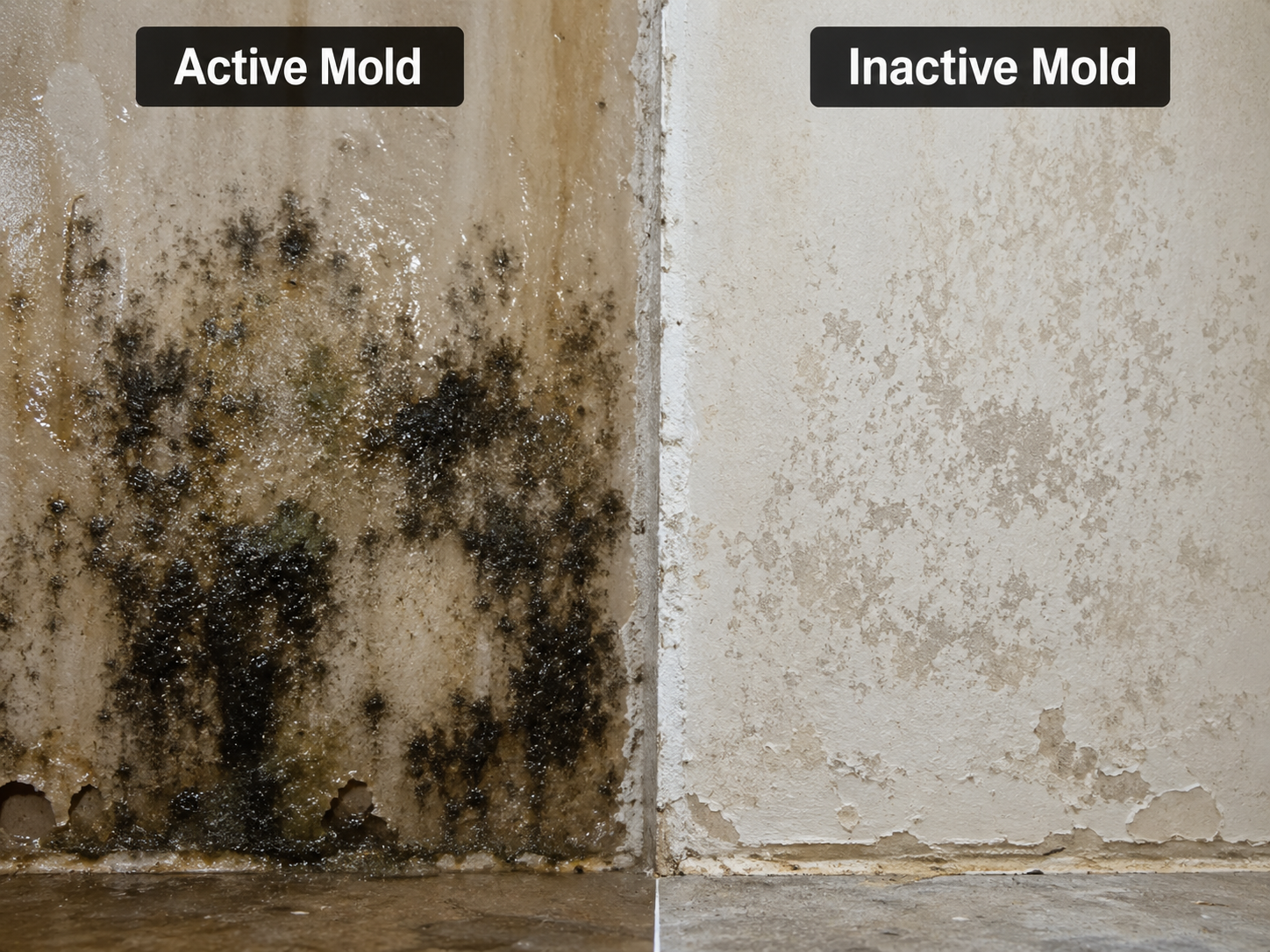
Active mold growth may look fuzzy, wet, slimy, or dark. It may also spread across walls, ceilings, floors, air ducts, and other affected materials.
Common signs include:
Visible mold on walls, ceilings, or floors
A strong musty smell or musty odor
New mold growth after a leak
Soft or stained building materials
Mold bloom in damp areas
Moisture source nearby
High humidity levels
Stagnant air
Active mold often shows up in the early stages after water damage. It may grow fast when relative humidity is high or when a room has poor air circulation.
Why Active Mold Is a Concern
Active mold can spread through airborne spores. These mold spores can move into nearby rooms, HVAC systems, and air ducts. Once spores land on damp areas, they can start new mold growth.
Active mold may affect indoor air quality. It may also cause allergic reactions, breathing issues, and irritation. People with compromised immune systems may be at higher risk after prolonged exposure. Human health should always be taken seriously when mold is present.
What Is Inactive Mold?
Inactive mold is mold that is not actively growing at the moment. This may happen when the moisture source is removed or when environmental conditions are too dry for growth.
Does Inactive Mold Mean Safe Mold?
No. Inactive mold is not always safe. Dormant spores can stay on contaminated materials for a long time. If moisture returns, dormant mold can become active again.
Inactive mold can still affect indoor air quality. Dead mold and old mold may still contain particles that can bother the lungs, skin, nose, and eyes. Direct contact with inactive mold may also cause irritation.
What Dormant Mold Looks Like
Dormant mold may look dry, powdery, or dusty. It may be gray, white, black, green, or brown, depending on the mold species. A visual inspection may help find visible mold, but testing may be needed to know the exact mold species.
Inactive mold may be found on:
Exterior walls
Wood framing
Drywall
Library materials
Museum collections
Collections materials
Store collections
HVAC system components
Air ducts
Books, paper, and fabric
Even when mold looks dry, it should not be ignored.
Active vs Inactive Mold: Main Differences
Active vs inactive mold can be hard to tell apart without proper training. Both types can cause mold damage and may need mold remediation.
Active Mold
Active mold is actively growing. It usually needs moisture, warmth, stagnant air, and a food source. Active mold may look wet or fuzzy. It may spread fast across affected materials.
Inactive Mold
Inactive mold is not growing right now. It may look dry or powdery. But dormant spores can start growing again if humidity levels rise or if moisture buildup returns.
Why Both Types Matter
Active or inactive mold can still release mold spores. These spores can become airborne spores when disturbed. That is why you should not scrub, brush, or vacuum mold without proper personal protective equipment.
What Causes Mold to Become Active?
Mold needs the right surrounding environment to grow. When spores germinate, fungal growth can begin.
Moisture Source
A moisture source is the biggest reason mold starts. This may include roof leaks, plumbing leaks, flood damage, wet carpet, or condensation. Moisture buildup near exterior walls or under flooring can also encourage mold growth.
High Relative Humidity
High relative humidity can lead to mold growth even without a major leak. The Environmental Protection Agency often recommends keeping indoor relative humidity lower to help with mold prevention. When humidity levels stay high, mold spores may grow on walls, furniture, paper, and other materials.
Poor Air Circulation
Poor air circulation and stagnant air can make damp areas worse. Good air circulation helps dry surfaces and lowers the chance of active mold growth. Air circulation is also important in closets, attics, crawl spaces, bathrooms, and commercial buildings.
Food Source
Mold feeds on many common materials. Drywall, wood, dust, paper, insulation, fabric, and cardboard can all become a food source. This is why library collections, museum collections, and collection recovery projects must be handled with care.
Can Inactive Mold Become Active Again?
Yes. Inactive mold can become active again if the right environmental conditions return. Dormant spores can wake up when moisture comes back.
Common Triggers for New Mold Growth
New mold growth may happen after:
A roof leak
A broken pipe
Flooding
Poor drying after water damage
High temperatures with high humidity
Closed rooms with stagnant air
Wet HVAC systems
Moisture inside air ducts
Damp storage areas
If a mold outbreak happens once, it can happen again unless the moisture source is fixed.
Why Dry Mold Can Still Spread
Dry mold may spread when touched or disturbed. A soft brush, dry cloth, or regular vacuum cleaner can send spores into the air. These airborne spores can move into HVAC systems and air ducts, where they may spread through the building.
For safety, avoid direct contact with visible mold.
How Mold Affects Indoor Air Quality
Indoor air quality can drop when mold spores are present. Active mold growth can release spores into the indoor environment. Inactive mold can also release particles when disturbed.
Health Symptoms Linked to Mold
Mold exposure may cause:
Sneezing
Coughing
Runny nose
Watery eyes
Skin rash
Headaches
Worse asthma symptoms
Allergic reactions
The Centers for Disease Control and Prevention, often called disease control, warns that mold can bother people with allergies, asthma, and compromised immune systems. Human health risks may be higher during prolonged exposure.
Why Mold Should Be Removed Properly
Trying to kill mold with bleach or sprays may not solve the problem. Some products may change the color of mold but leave mold spores, dead mold, or roots behind. If the moisture source remains, mold may return.
Professional mold remediation focuses on removing contaminated materials, cleaning affected materials, improving indoor air quality, and preventing mold growth in the future.
Can You Clean Active Mold Yourself?
Small spots on hard surfaces may sometimes be cleaned by a property owner, but larger areas need professional help. You should not clean active mold if the area is large, if mold is inside walls, or if HVAC system components are affected.
When Not to Clean Mold Yourself
Do not try to clean active mold if:
The mold covers a large area
There is a strong musty smell
Mold is inside air ducts
Mold is on porous building materials
Water damage is still present
People with compromised immune systems live or work there
Mold is on library materials or museum collections
The mold outbreak keeps returning
In these cases, call Preferred Restoration Services for a full inspection and mold remediation plan.
Personal Protective Equipment Matters
Anyone near mold should wear personal protective equipment. Proper personal protective equipment may include gloves, goggles, protective clothing, and a fitted respirator. Occupational safety matters because mold spores can affect workers during cleanup.
For collection recovery, library collections, or museum collections, workers may also use a fume hood, HEPA vacuum, and careful cleaning steps to protect delicate materials.
Why Regular Cleaning May Make Mold Worse
Many people use a regular vacuum cleaner, towel, or brush to clean old mold. This can make the problem worse.
How Spores Spread During Cleaning
When mold is brushed, wiped, or scraped, mold spores can move into the air. Airborne spores can travel to clean rooms, air ducts, HVAC systems, heat exchange coils, and other hidden areas.
A soft brush may be used only in controlled collection recovery settings with proper equipment. In most homes, it is safer to let trained mold remediation experts handle contaminated materials.
Why HEPA Equipment Is Different
A HEPA vacuum is made to trap tiny particles. It is not the same as a normal vacuum cleaner. During mold remediation, professionals may use HEPA air filtration, containment barriers, and negative air machines to help protect indoor air quality.
Mold in HVAC Systems and Air Ducts
Mold in HVAC systems can be serious because air moves through the system and into many rooms. Mold spores can collect on heat exchange coils, insulation, vents, filters, and other HVAC system components.
Signs of Mold in Air Ducts
You may have mold in air ducts if you notice:
Musty odor when the system turns on
Visible mold near vents
Dusty black or green growth
Allergic reactions indoors
Poor indoor air quality
Moisture near vents
A history of leaks or high humidity levels
Mold in air ducts should be inspected by trained professionals. Cleaning only the vent cover may not fix the full issue.
How to Reduce HVAC Mold Risk
To lower the risk of mold growth in HVAC systems:
Change air filters often
Fix condensation problems
Keep humidity levels controlled
Improve air circulation
Clean drain pans
Inspect heat exchange coils
Repair leaks quickly
Schedule professional inspections
Good air circulation and moisture control are key parts of mold prevention.
Mold on Library, Museum, and Collection Materials
Mold can damage books, paper, photos, fabric, and records. Library materials, museum collections, and collections materials need special care because they may be fragile.
Why Collections Are at Risk
Collections may develop mold when they are stored in damp areas or in sealed spaces with high relative humidity. Store collections in clean, dry areas with stable environmental conditions.
Mold may grow on paper because paper gives mold a food source. Once spores germinate, fungal growth can spread from one item to the next.
Safe Handling for Collection Recovery
During collection recovery, experts may place contaminated materials in plastic bags to limit spread. Disposable materials may be thrown away if they cannot be cleaned. Important items may be dried, isolated, and cleaned using special tools.
Solving fungal problems in collections often requires humidity control, protective clothing, HEPA cleaning, and careful handling. A fume hood may be used in some settings to protect workers from airborne spores.
How Professionals Inspect Active or Inactive Mold
A professional mold inspection looks for more than visible mold. It also checks the cause of the problem.
Visual Inspection
A visual inspection can find mold damage, staining, damp areas, and possible moisture sources. Inspectors may look near exterior walls, windows, flooring, ceilings, cabinets, crawl spaces, and air ducts.
Moisture Checks
Moisture meters may help find hidden moisture buildup inside building materials. This helps locate active mold growth that may be behind walls or under floors.
Air and Surface Testing
Testing may help identify mold species and spore levels. This can be helpful when there is a musty smell but no visible mold. It may also help after remediation to check indoor air quality.
Mold Remediation for Active vs Inactive Mold
Mold remediation is the process of finding, removing, cleaning, and preventing mold. The goal is not just to kill mold. The goal is to remove mold, stop moisture, and protect the indoor environment.
Step 1: Find the Moisture Source
The first step is finding the moisture source. Without this step, new mold growth can return. Leaks, condensation, and high relative humidity must be fixed.
Step 2: Contain the Mold Area
Containment helps stop mold spores from spreading. Professionals may use plastic sheeting, air scrubbers, and safe work zones.
Step 3: Remove Contaminated Materials
Some affected materials can be cleaned. Other contaminated materials must be removed. Porous building materials like drywall, insulation, and carpet may need replacement if mold has grown deep inside.
Step 4: Clean and Filter the Air
Professionals may use HEPA filtration, HEPA vacuum tools, and safe cleaning methods. This helps reduce airborne spores and protect indoor air quality.
Step 5: Dry the Area
Drying is a key step in preventing mold growth. Fans, dehumidifiers, and air movement may be used to lower humidity levels and remove moisture.
Step 6: Help Prevent Mold From Coming Back
Mold prevention includes fixing leaks, improving air circulation, controlling humidity, and checking damp areas often.
How to Preventing Mold Growth in Your Home
Preventing mold growth starts with moisture control. Mold cannot keep growing without water.
Keep Humidity Under Control
Use a dehumidifier when needed. Watch humidity levels in bathrooms, kitchens, basements, laundry rooms, and commercial buildings. Lower relative humidity helps reduce the chance of a mold outbreak.
Improve Air Circulation
Good air circulation helps dry wet surfaces. Open doors, use exhaust fans, and keep air moving. Poor air circulation can trap moisture and encourage mold growth.
Fix Leaks Fast
Fix roof leaks, plumbing leaks, and appliance leaks right away. Even a small leak can cause active mold growth if it is ignored.
Dry Wet Materials Quickly
Dry wet building materials as soon as possible. Damp drywall, carpet, wood, and insulation can become a food source for mold.
Inspect HVAC Systems
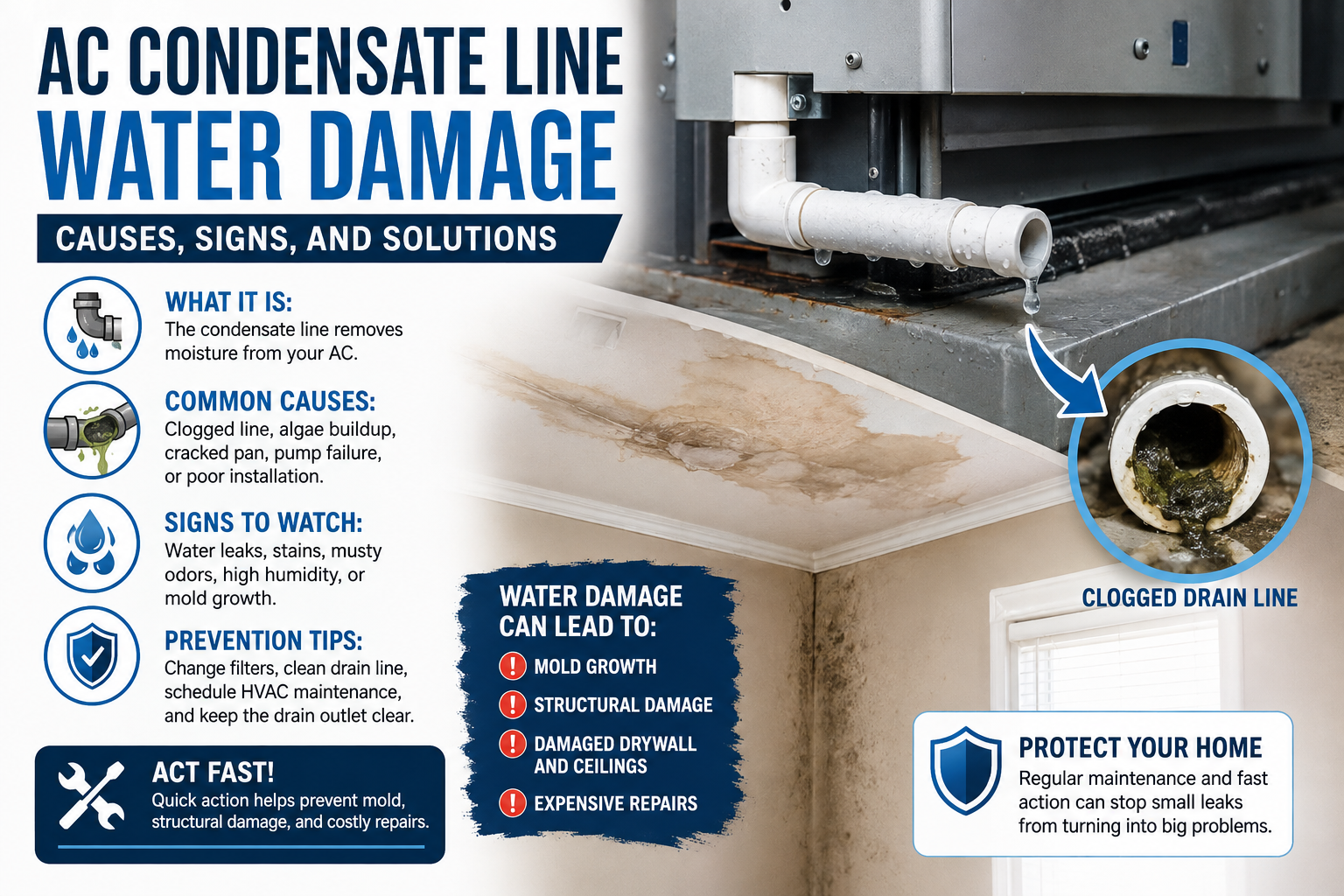
Check HVAC systems for leaks, clogged drain lines, dirty coils, and wet insulation. Moisture inside HVAC system components can lead to mold bloom and airborne spores.
When to Call Preferred Restoration Services
Call Preferred Restoration Services if you see active mold, inactive mold, or mold damage that keeps coming back. Mold can hide behind walls, under flooring, inside cabinets, in air ducts, and around HVAC systems.
Reasons to Call a Professional
You should call for help if:
There is visible mold
There is a musty smell
The area has water damage
Mold is near air ducts
You have poor indoor air quality
Mold is on affected materials across a large area
You have had a mold outbreak before
People in the building have allergic reactions
Mold remediation professionals can inspect the problem, remove contaminated materials, and help with mold prevention.
Final Thoughts on Active vs Inactive Mold
Active vs inactive mold matters because both can affect your property and health. Active mold is growing now. Inactive mold is dormant, but it can become active again when moisture returns. Dead mold, dormant spores, and old mold can still affect indoor air quality if they are disturbed.
The safest plan is to find the moisture source, avoid direct contact, use proper personal protective equipment, and call trained mold remediation experts. Preferred Restoration Services can help inspect mold damage, remove mold safely, and reduce the risk of new mold growth.
FAQs
What is the main difference between active and inactive mold?
Active mold is actively growing because it has moisture, a food source, and the right environmental conditions. Inactive mold is not growing right now, but dormant spores can grow again if moisture returns.
Is inactive mold still dangerous?
Yes, inactive mold can still be a concern. Dead mold and dormant mold can release mold spores when disturbed. These spores may affect indoor air quality and cause allergic reactions in some people.
Can I kill mold and leave it in place?
No. Trying to kill mold without removing it may leave dead mold, spores, and contaminated materials behind. Mold remediation should include safe removal, cleaning, drying, and fixing the moisture source.
What causes active mold growth?
Active mold growth is caused by moisture buildup, high relative humidity, poor air circulation, stagnant air, and a food source like drywall, wood, dust, or paper.
When should I call Preferred Restoration Services for mold?
Call Preferred Restoration Services if you see visible mold, smell a musty odor, have water damage, find mold in air ducts, or notice mold returning after cleaning.