What Causes Smoke Damage in Homes?
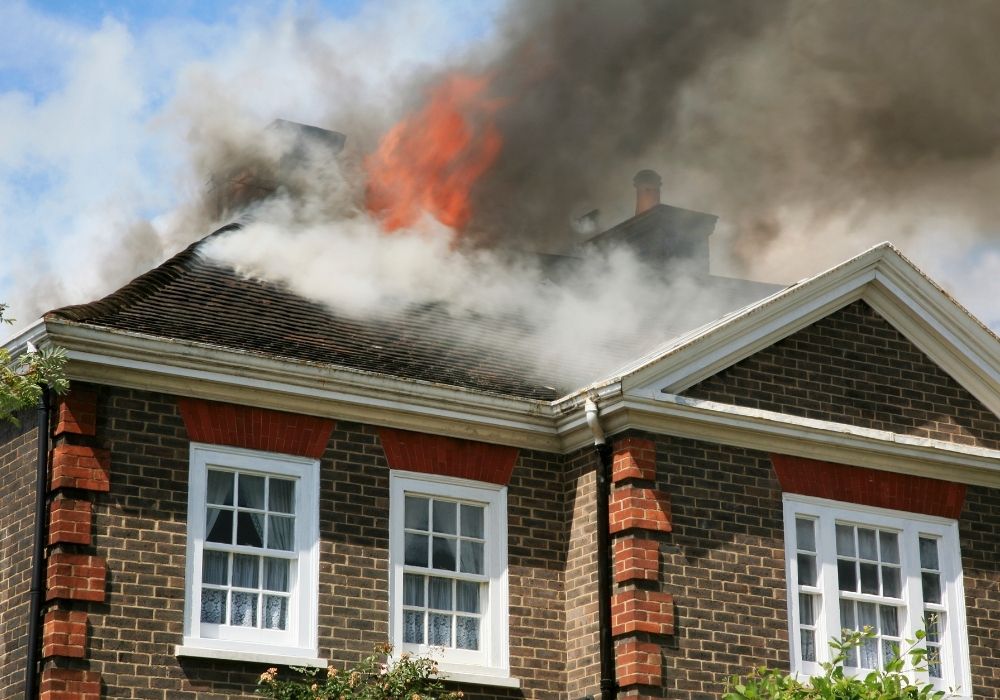
Smoke damage can happen fast and leave behind strong smells, stains, and harmful particles. Many homeowners think smoke damage only comes from big fires, but that is not true. Even small events can cause serious damage inside your home.
If you are dealing with fire or smoke damage, it is important to act quickly. Professional help like fire damage restoration can help clean your home, remove odors, and make your space safe again.
In this guide, we will explain what causes smoke damage in homes, how it spreads, and what you can do to fix it.
What Is Smoke Damage?
Smoke damage happens when smoke particles settle on surfaces after a fire or heat event. These tiny particles can stick to walls, furniture, ceilings, and even inside your HVAC system.
Why Smoke Damage Is a Problem
Smoke damage is more than just a bad smell. It can:
- Stain walls and ceilings
- Leave soot residue
- Damage furniture and belongings
- Affect indoor air quality
- Cause health issues
Smoke contains chemicals, toxins, and carbon particles that can harm your home and your health.
Common Causes of Smoke Damage in Homes
There are many ways smoke damage can happen. Some are obvious, while others are more common than you think.
House Fires
The most common cause of smoke damage is a house fire. Fires can start from:
- Cooking accidents
- Electrical issues
- Candles left burning
- Heating equipment
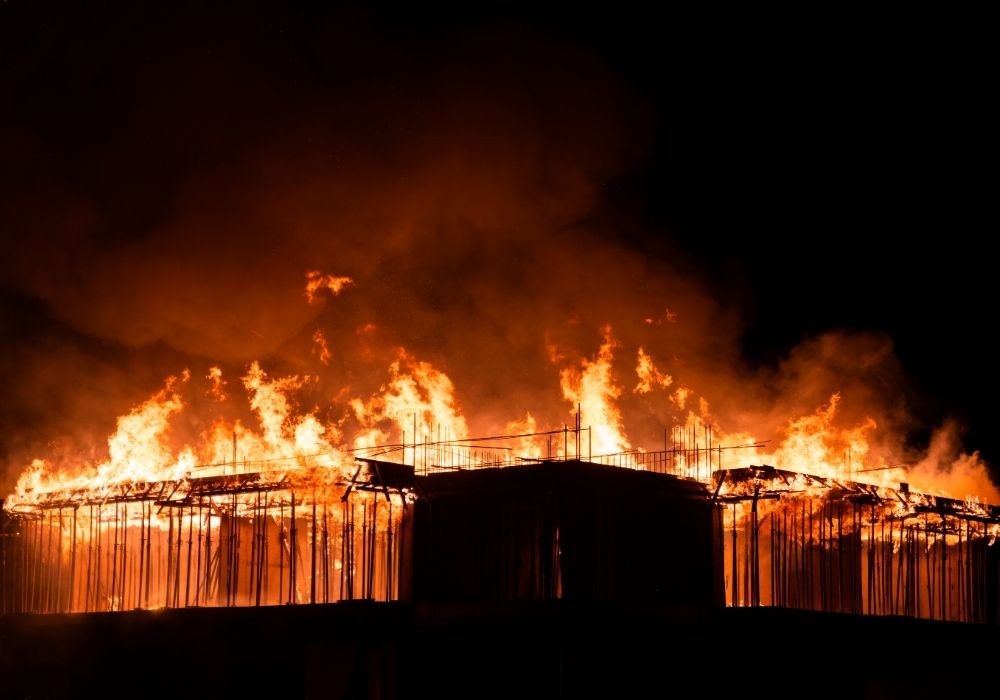
Even a small fire can create a large amount of smoke that spreads through your home.
Kitchen Fires
Kitchen fires are one of the top causes of smoke damage.
Grease fires, burnt food, or unattended cooking can quickly fill your home with smoke. Smoke from cooking often leaves sticky residue on cabinets, walls, and appliances.
Electrical Problems
Faulty wiring or overloaded circuits can create smoke without a large flame. This type of smoke often smells like burning plastic and can spread quickly.
Fireplace and Chimney Issues
Using a fireplace without proper ventilation can cause smoke to enter your home instead of going outside.
Blocked chimneys or poor airflow can lead to:
- Smoke buildup
- Soot deposits
- Strong odors
Smoking Indoors
Cigarettes and cigars can cause long-term smoke damage. Over time, smoke particles build up on surfaces and create yellow stains and strong odors.
HVAC System Problems
Smoke can travel through your heating and cooling system. If smoke enters your HVAC system, it can spread to every room in your home.
This makes the damage worse and harder to clean.
Candles and Incense
Burning candles or incense may seem harmless, but they can produce soot and smoke over time. This can lead to discoloration on walls and ceilings.
How Smoke Damage Spreads in a Home
Smoke moves quickly and can reach areas far from the original source.
Airflow and Ventilation
Smoke follows air currents. It can travel through:
- Air vents
- Hallways
- Open doors
This means even rooms far away from the fire can be affected.
Absorption into Materials
Smoke particles are very small. They can soak into:
- Drywall
- Wood
- Fabric
- Carpet
Once absorbed, the smell can be hard to remove without professional cleaning.
Soot Residue
Soot is the black powder left behind by smoke. It sticks to surfaces and can cause permanent stains if not cleaned quickly.
Types of Smoke Damage
Not all smoke damage is the same. Different types of fires create different kinds of smoke.
Dry Smoke
Dry smoke comes from fast-burning fires, like paper or wood.
- Leaves powdery soot
- Easier to clean
- Spreads quickly
Wet Smoke
Wet smoke comes from slow-burning fires, like plastic or rubber.
- Leaves sticky residue
- Has a strong odor
- Harder to clean
Protein Smoke
Protein smoke comes from cooking fires.
- Nearly invisible
- Leaves a strong odor
- Discolors surfaces
Fuel Oil Smoke
Fuel oil smoke comes from furnace or heating issues.
- Leaves thick soot
- Has a strong oily smell
- Requires deep cleaning
Signs of Smoke Damage in Your Home
Sometimes smoke damage is easy to see. Other times, it is hidden.
Visible Signs
- Black or gray soot on walls
- Yellow stains on ceilings
- Burn marks
Smell
A strong smoky odor is one of the biggest signs. The smell can linger long after the fire is gone.
Discoloration
Walls, ceilings, and fabrics may change color due to smoke exposure.
Poor Air Quality
You may notice breathing problems or irritation due to smoke particles in the air.
Health Risks of Smoke Damage
Smoke damage is not just about your home—it can affect your health too.
Breathing Problems
Smoke particles can irritate your lungs and make it hard to breathe.
Eye and Skin Irritation
Exposure to smoke can cause:
- Red eyes
- Itchy skin
- Rashes
Long-Term Effects
Toxic chemicals in smoke can lead to serious health issues if not removed properly.
Why Quick Smoke Damage Restoration Matters
The longer smoke sits in your home, the worse the damage gets.
Prevent Permanent Stains
Soot can stain surfaces permanently if not cleaned quickly.
Remove Odors
Smoke odors can become trapped in materials. Quick action helps remove them before they settle.
Protect Your Home
Fast cleanup can prevent further damage to your property.
How Professionals Handle Smoke Damage
Professional restoration companies like Preferred Restoration use special tools and methods to clean smoke damage.
Inspection and Assessment
Experts check the extent of the damage and create a plan.
Soot Removal
They use safe cleaning methods to remove soot from surfaces.
Odor Removal
Advanced equipment like air scrubbers and ozone machines help remove smoke smells.
Deep Cleaning
Professionals clean walls, floors, furniture, and air ducts.
Can You Prevent Smoke Damage?
While not all smoke damage can be avoided, there are ways to reduce the risk.
Safety Tips
- Never leave cooking unattended
- Check electrical systems regularly
- Clean your chimney
- Avoid smoking indoors
- Use candles safely
Install Smoke Detectors
Smoke detectors can alert you early and help prevent major damage.
When to Call a Professional
If you notice smoke damage in your home, it is best to call a professional right away.
Signs You Need Help
- Strong smoke odor
- Visible soot
- Large affected areas
- HVAC contamination
Professionals have the tools and training to restore your home safely.
Final Thoughts
Smoke damage can come from many sources, not just large fires. From cooking accidents to electrical issues, even small events can cause serious problems in your home.
Understanding what causes smoke damage in homes can help you prevent it and take action quickly when it happens. Fast response and professional restoration are key to protecting your home and your health.
FAQs About What Causes Smoke Damage in Homes
What is the most common cause of smoke damage in homes?
The most common cause is house fires, especially kitchen fires from cooking accidents.
Can smoke damage happen without a fire?
Yes, smoke damage can come from electrical issues, smoking indoors, or even candles.
How long does smoke damage last?
Smoke damage can last for years if not properly cleaned. Odors and stains can stay without professional help.
Is smoke damage harmful to health?
Yes, smoke contains harmful chemicals that can affect your lungs, skin, and overall health.
Can smoke damage be removed completely?
Yes, with professional restoration, smoke damage and odors can be fully removed.