Clean Water vs Gray Water vs Black Water Damage
Water damage can happen fast. A small leak, heavy rain, or a flood can turn into a big problem. But not all water damage is the same. There are different types of water damage, and each one has a different level of contamination and health risk.
If you are dealing with water in your home, it is important to understand the water damage categories. This helps you know what to do next and how serious the damage is.
In the first moments of an emergency water damage situation, getting help from water damage restoration experts like Preferred Restoration can protect your home, your health, and your insurance claim.
What Are Water Damage Categories?
Water damage is split into three main types:
- Clean water
- Gray water (greywater)
- Black water (blackwater)
Each type is based on how much contamination is in the water and how dangerous it is to your health.
Why Water Categories Matter
The type of water affects:
- Safety and risk
- Cleanup methods
- Need for personal protective equipment
- Chances of mold and bacterial growth
- Insurance coverage and claims
Knowing the category helps guide the right restoration water damage plan.
Clean Water Damage Explained
What Is Clean Water?
Clean water comes from a safe and treated water supply. It does not contain harmful bacteria, viruses, or waste.
Common Sources of Clean Water
- Broken pipes
- Sink or bathtub overflow
- Appliance leaks (like washing machines)
- Water heater leaks
This type is often called clean water damage.
Is Clean Water Safe?
At first, yes. Clean water is usually safe to touch. But it can turn into gray water if left too long.
Standing water can pick up:
- Dirt
- Dust
- Bacteria
- Matter from surfaces
Risks of Clean Water Damage
Even clean water can cause:
- Mold growth within 24–48 hours
- Damage to floors, walls, and ceilings
- Weakening of materials
Fast water extraction and drying are key.
Gray Water Damage (Greywater)
What Is Gray Water?
Gray water (greywater) is water that has some contamination. It is not clean, but not the most dangerous.
Common Sources of Gray Water
- Dishwasher discharge
- Washing machine water
- Sink drains
- Shower or bathtub water
This water may contain:
- Soap
- Food particles
- Oils
- Light chemicals
Health Risks of Gray Water
Gray water can carry:
- Bacteria
- Mild pathogens
- Skin irritants
If ingested or touched, it can cause:
- Illness
- Infection
- Irritation
Why Gray Water Is Dangerous
Gray water can quickly become black water if left untreated. This happens due to:
- Bacterial growth
- Increase in contamination
- Lack of proper cleanup
This is why fast restoration is important.
Black Water Damage (Blackwater)
What Is Black Water?
Blackwater is the most dangerous type of water damage. It is highly contaminated and unsafe.
Common Sources of Black Water
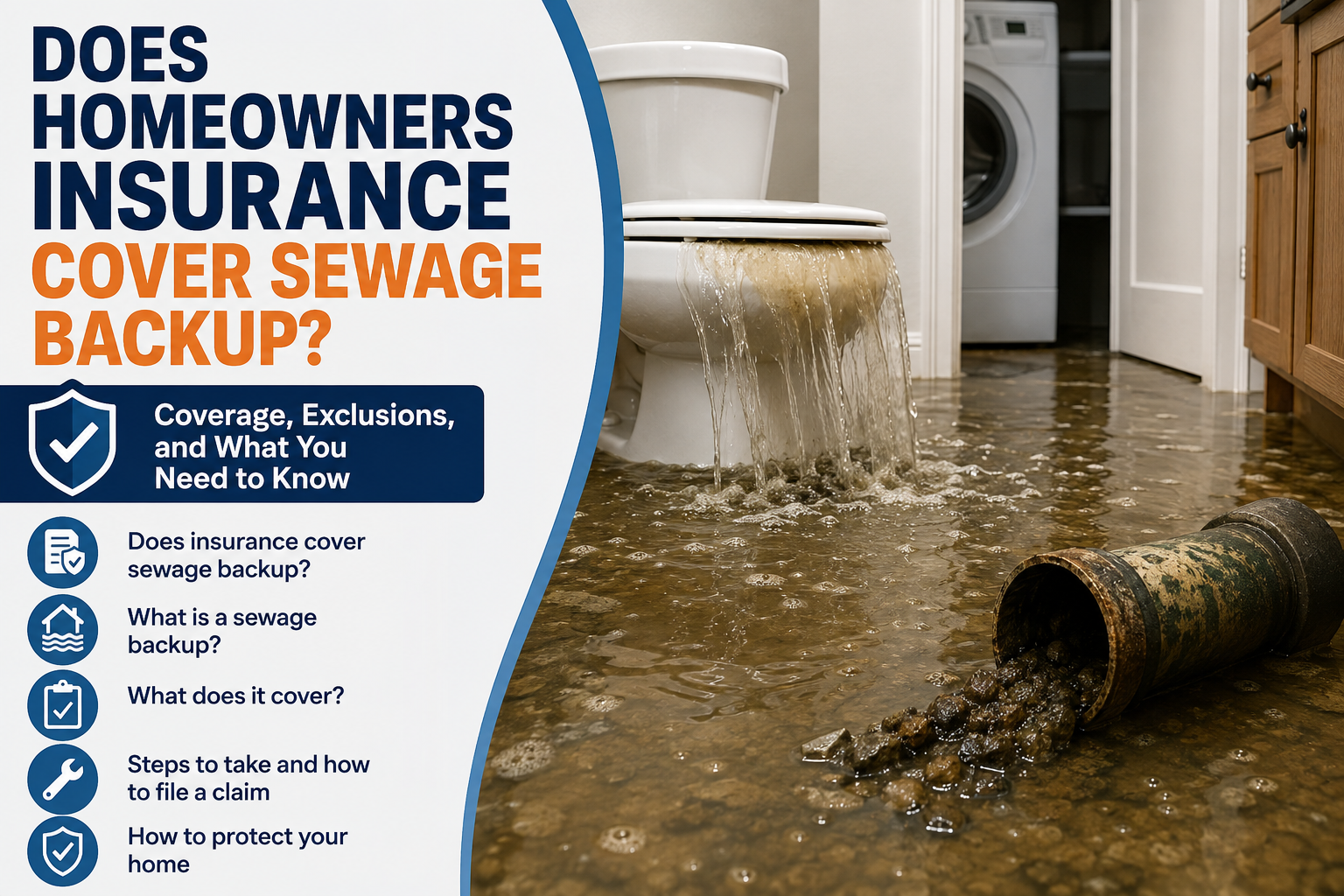
- Sewage backups
- Overflowing toilet
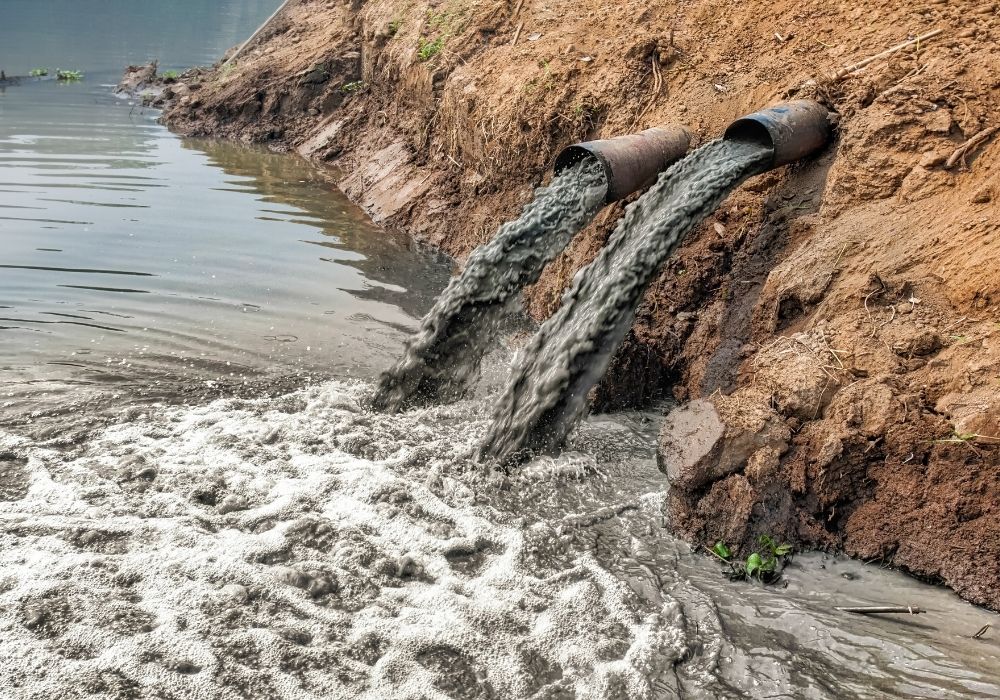
- Flood water from rivers or streams
- Groundwater and storm runoff
- Water from heavy rain or a flood
What Makes Black Water So Dangerous?
Black water contains harmful substances like:
- Human waste
- Bacteria
- Viruses
- Pathogens
- Heavy metals
- Chemicals
Serious Health Risks
Exposure to black water can lead to:
- Disease
- Hepatitis
- Salmonella infection
- Severe illness for those with weak immune system
- Skin infections
This type of water damage is a major safety concern.
Comparing Clean, Gray, and Black Water
Key Differences
Clean Water
- Safe at first
- Comes from clean sources
- Low risk
Gray Water
- Moderately contaminated
- Contains soap and debris
- Medium risk
Black Water
- Highly contaminated
- Contains sewage and toxins
- High risk
How Fast Water Becomes Dangerous
Clean water can turn into gray water within 24–48 hours. Gray water can become black water if left untreated.
That is why emergency water damage services are so important.
Health Risks of Water Damage
Water damage is not just about property. It affects your health too.
Common Health Issues
- Respiratory problems from mold
- Skin irritation
- Exposure to bacteria and virus
- Risk of serious infections
Who Is Most at Risk?
- Children
- Elderly people
- People with weak immune systems
Why Mold Is a Big Problem
Mold grows fast in damp areas like:
- Basement
- Bathroom
- Walls and ceilings
It can cause:
- Breathing issues
- Allergies
- Long-term health problems
The Role of Personal Protective Equipment
When dealing with water damage, safety comes first.
Types of Personal Protective Equipment
- Gloves
- Masks
- Boots
- Protective suits
Why PPE Matters
Using personal protective equipment helps prevent:
- Contact with harmful contaminants
- Spread of disease
- Exposure to pathogens
This is especially important for gray and black water damage.
The Water Damage Restoration Process
Step 1: Emergency Response
Quick action is key. Experts arrive fast to assess the damage.
Step 2: Water Extraction
Using pumps and tools, teams remove standing water. This may include:
- Industrial pump systems
- High-powered water extraction equipment
Step 3: Drying and Dehumidifying
Drying prevents:
- Mold growth
- Structural damage
Step 4: Cleaning and Sanitizing
Professionals use:
- Antimicrobial treatments
- Deep cleaning methods
This removes bacteria, odor, and contamination.
Step 5: Repairs and Restoration
The final step restores your home. This may include:
- Replacing drywall
- Fixing floors
- Addressing smoke damage if needed
Insurance and Water Damage
Does Insurance Cover Water Damage?
It depends on the cause.
Typically Covered
- Sudden pipe bursts
- Appliance leaks
- Accidental overflow
Usually Not Covered
- Slow leaks
- Lack of maintenance
- Flood damage (without flood insurance)
What About Flood Damage?
Damage from:
- Rivers
- Streams
- Heavy rain
Often requires separate flood insurance.
Tips for Insurance Claims
- Document all damage
- Take photos
- Call your provider quickly
- Work with restoration experts
Preventing Water Damage
Simple Prevention Tips
- Fix leaks fast
- Check pipes often
- Clean gutters
- Install sump pumps in the basement
Be Ready for Emergencies
Keep a plan for:
- Floods
- Storms
- Plumbing failures
Preparedness reduces damage and risk.
When to Call a Professional
You should call a professional if:
- Water has been sitting for over 24 hours
- You see mold
- There is sewage or black water
- The damage is large
Professional help ensures:
- Proper cleanup
- Safety
- Full restoration
Why Choose Preferred Restoration
Preferred Restoration understands all types of water damage. From clean water to blackwater, their team handles every step safely.
They use:
- Advanced equipment
- Safe cleaning methods
- Fast response times
This helps protect your home and your health.
FAQs About Clean vs Gray vs Black Water Damage
What is the difference between clean water and gray water?
Clean water comes from a safe source like a pipe. Gray water has some contamination from washing or sinks and is less safe.
Is black water dangerous to touch?
Yes, black water is very dangerous. It contains sewage, bacteria, and viruses that can cause serious disease.
How fast does water damage turn into mold?
Mold can start growing within 24 to 48 hours after water damage.
Does homeowners insurance cover all water damage?
No, it depends on the cause. Sudden damage is often covered, but floods may require separate flood insurance.
Can I clean water damage myself?
Small clean water damage may be manageable. But gray or black water should always be handled by professionals.