Hardwood Floor Water Damage Restoration
Hardwood floors are strong and beautiful. But water can quickly cause serious damage. If you are dealing with hardwood floor water damage, it is important to act fast. Even a small leak can lead to big problems like mold, warping, and long-term damage.
If your home has water issues, you may need help from professionals. Acting quickly can save your wood flooring and protect your home.
In this guide, we will explain what causes damage, how to fix it, and how to prevent it in the future.
What Is Hardwood Floor Water Damage?
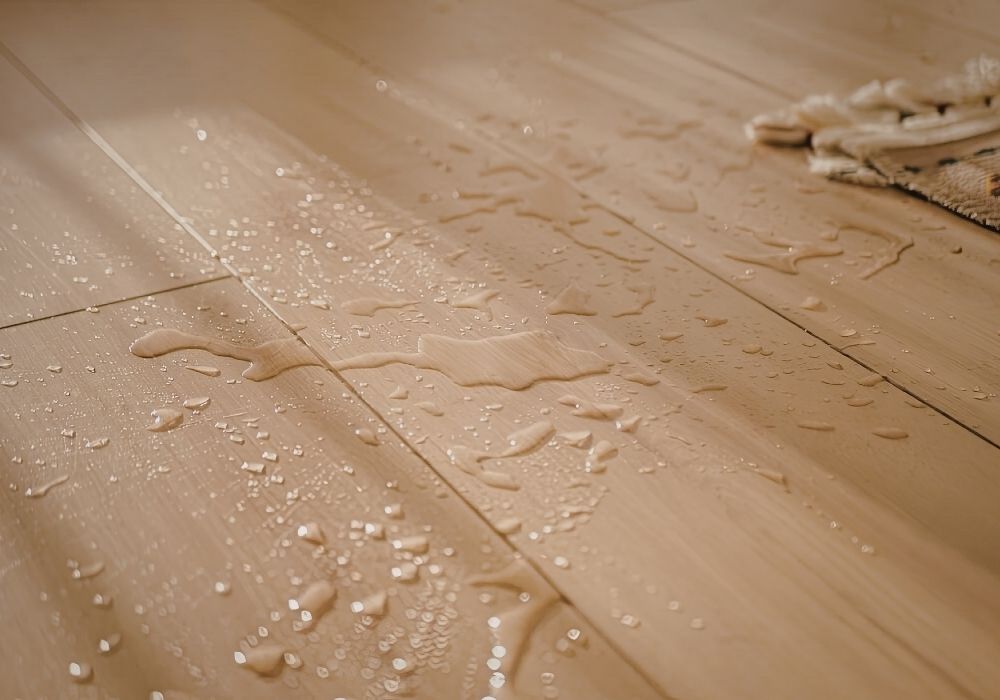
Hardwood floors can look strong, but they are very sensitive to water. When water gets into the wood, it can change the shape, strength, and look of your flooring. Understanding what happens helps you act quickly and reduce damage.
Understanding Water Damage in Wood Flooring
Hardwood floor water damage happens when water soaks into wood flooring. Wood is a natural material, so it absorbs moisture easily. When this happens, the wood can swell, bend, or break.
Water damage can come from:
- A plumbing leak
- A flood
- Spilled water
- High moisture in the air
Why Hardwood Is Sensitive to Water
Hardwood is made from natural wood fibers. These fibers expand when wet and shrink when dry. This movement can cause visible damage like:
- Warping
- Buckling
- Cracks
Common Causes of Hardwood Floor Water Damage
There are many ways water can damage your floors. Some problems happen quickly, like a flood. Others, like a slow leak, can go unnoticed for a long time. Knowing the cause helps you prevent future damage.
Plumbing Leaks
A hidden plumbing leak under your floor can slowly damage your wood. You may not see it right away, but over time, the damage gets worse.
Flood Damage
A flood can cause instant and severe water damage. Large amounts of water soak deep into wood flooring and subfloors.
Appliance Leaks
Dishwashers, washing machines, and refrigerators can leak. Even a small leak can lead to major water damaged wood over time.
High Moisture Levels
Too much moisture in the air can affect hardwood floors. This is common in humid areas or poorly ventilated homes.
Signs of Hardwood Floor Water Damage
Water damage is not always easy to see at first. But there are clear signs that your hardwood floors are in trouble. Spotting these early can help prevent bigger repairs.
Warping or Cupping
Cupping happens when the edges of wood boards rise. Warping makes boards bend out of shape.
Buckling
Buckling is when wood flooring lifts off the ground. This is often caused by severe water damage.
Discoloration
Water can stain hardwood. You may see dark spots or uneven color.
Soft or Spongy Wood
If your floor feels soft, it may mean the wood is damaged and weakened.
Mold Growth
Mold can grow in damp areas. This is dangerous for your health and your home.
Why Fast Action Matters
When water damage happens, time is very important. The longer water sits, the deeper it goes into your wood flooring. Acting fast can save your floors and lower repair costs.
Preventing Further Damage
The longer water sits, the worse the damage becomes. Quick action can stop the spread of moisture.
Protecting Your Health
Standing water and mold can harm your health. Mold spores can cause breathing problems and allergies.
Saving Money
Fixing damage early is cheaper than replacing the entire floor later.
How to Fix Hardwood Floor Water Damage
Fixing hardwood floor water damage takes the right steps. You must remove water, dry the area, and repair any damage. Skipping steps can make the problem worse.
Step 1: Stop the Water Source
First, stop the leak or water source. Fix any plumbing issues right away.
Step 2: Remove Standing Water
Use towels, mops, or a wet vacuum to remove water. The faster you do this, the better.
Step 3: Dry the Area
Use fans and dehumidifiers to remove moisture. Proper drying is key to saving your wood flooring.
Step 4: Inspect the Damage
Check for:
- Warped boards
- Mold growth
- Soft spots
Step 5: Repair or Replace Damaged Wood
Some boards can be saved. Others may need replacement. Professionals can help decide the best option.
Can Water Damaged Wood Be Saved?
Not all water damage means your floors are ruined. In some cases, hardwood can be restored if the damage is caught early. The key is how long the water has been there and how deep it went.
When Restoration Is Possible
If the damage is minor, you may be able to restore the hardwood. Drying and sanding can help.
When Replacement Is Needed
Severe damage may require replacing sections of wood flooring. This is common after a flood or long-term leak.
The Risk of Mold in Hardwood Floors
Mold is one of the biggest risks after water damage. It can grow quickly in damp wood and spread to other parts of your home. This makes it important to act fast and dry everything completely.
How Mold Grows
Mold grows in damp, dark areas. Hardwood floors with trapped moisture are the perfect place.
Health Risks of Mold
Mold can cause:
- Allergies
- Breathing problems
- Skin irritation
Mold Removal
If mold is present, it is important to remove it safely. Professional help is often needed.
How to Prevent Hardwood Floor Water Damage
Preventing damage is always easier than fixing it. Simple steps can protect your hardwood floors from water, leaks, and moisture problems.
Fix Leaks Quickly
Check for leaks in your plumbing system. Repair them right away.
Control Moisture Levels
Use a dehumidifier to keep moisture levels low in your home.
Clean Spills Right Away
Do not let water sit on hardwood floors. Wipe it up immediately.
Use Proper Sealing
Seal your wood flooring to protect it from water damage.
The Role of Professional Restoration
Sometimes, water damage is too large to handle alone. Professional restoration teams have the tools and training to fix serious problems and prevent long-term damage.
Why Hire Experts
Professionals have the tools and experience to handle water damage safely. They can:
- Dry floors properly
- Prevent mold growth
- Restore wood flooring
What to Expect
A professional team will inspect the damage, create a plan, and restore your floors as quickly as possible.
Insurance and Hardwood Floor Water Damage
Water damage can be expensive, so many homeowners wonder about insurance. Understanding your coverage can help you plan your next steps.
Does Insurance Cover Water Damage?
Some insurance policies cover water damage caused by sudden events like a burst pipe. However, damage from neglect may not be covered.
Documenting the Damage
Take photos and keep records. This can help with your insurance claim.
Long-Term Effects of Ignoring Water Damage
Ignoring water damage can lead to serious problems over time. What starts as a small issue can turn into a major repair.
Structural Damage
Water can weaken the structure of your home over time.
Ongoing Mold Problems
If not treated, mold can keep growing and spreading.
Higher Repair Costs
Delaying repairs can lead to more expensive fixes later.
Hardwood vs Other Flooring and Water Damage
Different flooring types react to water in different ways. Knowing how hardwood compares can help you understand its strengths and limits.
Hardwood vs Laminate
Hardwood can sometimes be restored. Laminate usually needs replacement after water damage.
Hardwood vs Tile
Tile is more water-resistant, but hardwood offers beauty and value.
When to Call for Help
Not all water damage can be handled on your own. Knowing when to call professionals can save your floors and your home.
Signs You Need Professional Help
- Large areas of water damage
- Strong mold smell
- Buckling or lifting floors
- Long-term leaks
If you notice these signs, do not wait. Getting help quickly can protect your home.
FAQs About Hardwood Floor Water Damage
What causes hardwood floor water damage?
Water damage is caused by leaks, floods, spills, or high moisture levels in your home.
Can hardwood floors recover from water damage?
Yes, minor damage can be repaired. Severe damage may require replacing the wood flooring.
How long does it take for water to damage hardwood floors?
Damage can begin within hours. The longer water sits, the worse the damage becomes.
Is mold common with water damaged wood?
Yes, mold can grow quickly in damp conditions and should be addressed right away.
Should I replace or repair water damaged hardwood floors?
It depends on the level of damage. A professional can inspect and recommend the best solution.