Water Extraction vs Structural Drying: Key Differences
After a flood, leak, or burst pipe, most people think the job is done once the visible water is gone. But water damage is sneaky. Even after removing water from floors, carpet, or a basement, moisture can still hide inside drywall, wood, insulation, and other parts of your structure. That’s where the big difference comes in: water extraction removes standing water, while structural drying removes trapped moisture from building materials to prevent mold growth and structural damage.
If you’re dealing with water damage restoration, you may need both steps. A trusted restoration company like Preferred Restoration uses professional inspection tools, commercial drying equipment, and proven mitigation methods to protect your property and indoor air quality. For help with water restoration in Orange County, you can learn more about our services here.
What Is Water Extraction?
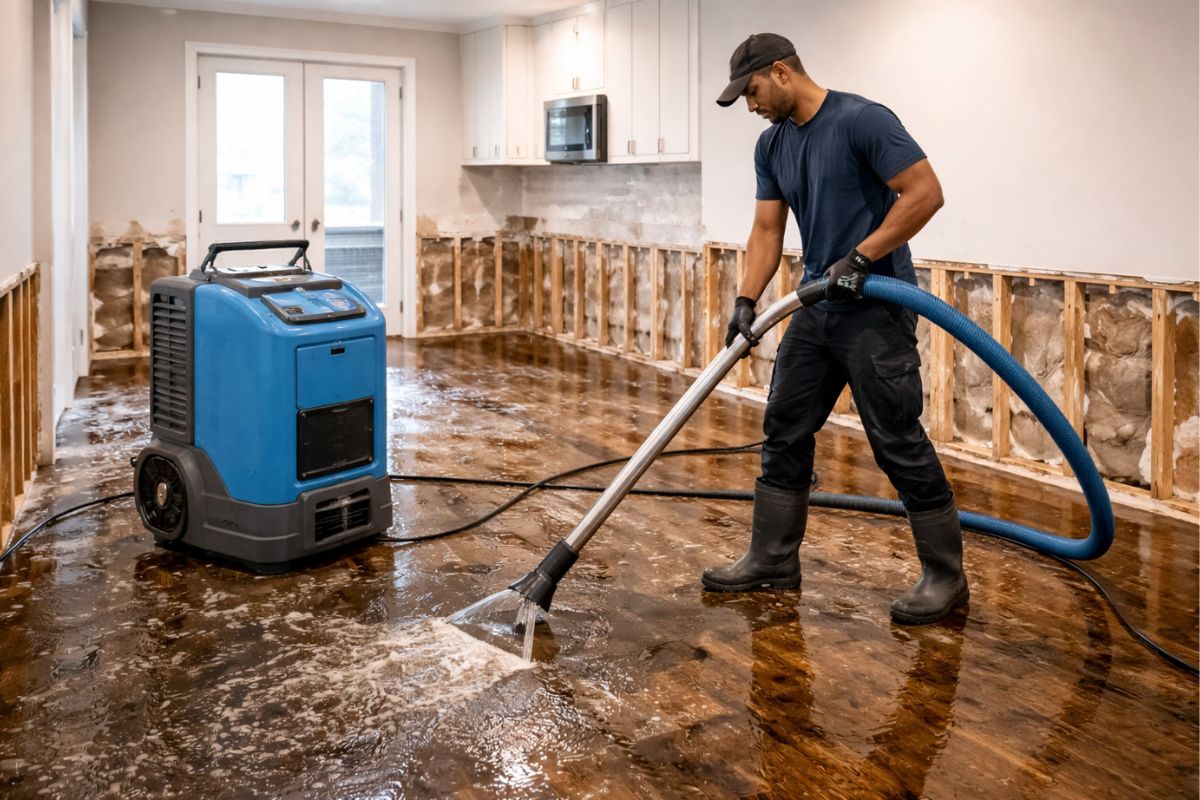
Water extraction is the process of removing water that you can see and often feel underfoot. This can include puddles, soaked carpet, wet padding, and standing water in a basement.
What Water Extraction Removes
Water extraction focuses on:
- Standing water on the surface
- Saturated carpet and padding
- Pooled water around baseboards
- Water trapped under flooring (in some cases)
- Water from a flood, overflow, or leak
Professionals use strong pumps and extraction tools to remove water quickly. Fast extraction matters because the longer water sits, the more damage it causes to your property.
Why Water Extraction Matters
Water left in place can lead to:
- Warped floors and swelling materials
- Higher humidity and water vapor in the air
- Faster mold growth
- Bad odors and contamination risks
- More structural damage over time
Even if the water looks like clean water, it can still cause serious water damage if it stays too long.
What Is Structural Drying?
Structural drying is the next step after water extraction. It removes moisture that is trapped inside the structure of the building. This includes framing, drywall, subfloors, cabinets, and other materials that hold water content after a loss.
What Structural Drying Targets
Structural drying focuses on:
- Moisture inside drywall and insulation
- Water content in wood framing and subfloors
- Moisture trapped under tile, laminate, or vinyl
- Hidden damp areas behind walls
- Condensation and water vapor buildup
Even when the surface feels dry, materials can still be wet inside. That hidden moisture can lead to mold, rot, and long-term structural damage.
How Structural Drying Works
Professionals control the environment to speed up evaporation:
- High airflow across wet surfaces
- Controlled heat (when appropriate)
- Dehumidifier use to lower humidity
- Monitoring moisture levels with inspection tools
- Adjusting equipment to dry the structure evenly
Structural drying is not just “letting things dry.” It’s a planned drying system that reduces humidity, increases evaporation, and removes water vapor from the air.
Water Extraction vs Structural Drying: The Simple Comparison
The Main Goal of Each Step
- Water extraction: remove water you can see (standing water)
- Structural drying: dry the structure you can’t see (hidden moisture)
The Tools Used
Water extraction often uses:
- Pumps and extractors
- Wet vac systems
- Specialty tools for removing water from carpet
Structural drying often uses:
- Air movers (to push air across surfaces)
- Dehumidifier units (including desiccant options)
- Heat systems (when safe and effective)
- Moisture meters and thermal inspection tools
The Biggest Risk of Skipping Either Step
If you skip water extraction:
- You leave water behind that continues soaking materials
- Evaporation takes longer and humidity rises
- Mold growth can start quickly
If you skip structural drying:
- Hidden moisture stays in drywall, framing, and floors
- Mold can grow out of sight
- Structural damage can get worse
- Indoor air quality can drop due to mold spores and contamination
Why Both Steps Matter After a Flood or Leak
A flood or leak can spread water into places you don’t notice right away. Water can travel under flooring, behind walls, and into nearby rooms. That’s why true water damage restoration usually includes extraction and drying.
Water Moves Fast Through a Structure
Water can soak into:
- Drywall and baseboards
- Wood framing and support beams
- Cabinets and built-ins
- Flooring layers and padding
- Insulation and wall cavities
This is especially common in a basement, where humidity and moisture can stay high and slow down natural drying.
How Mold Starts After Water Damage
Mold needs moisture to grow. When water content stays high in building materials, mold growth becomes more likely. Mold can also harm indoor air quality and may require professional mold removal.
Mold Risks You Should Know
After water damage, mold can:
- Grow behind drywall without obvious signs
- Spread through air and affect breathing
- Create odors that are hard to remove
- Damage materials and require demolition
Structural drying lowers humidity and reduces water vapor, making mold less likely to form.
Clean Water vs Contamination: Why It Changes the Plan
Not all water is the same. Clean water might come from a supply line leak. But water from a flood, backup, or unknown source can include contamination.
When Contamination Is a Bigger Concern
Contamination may be involved if water came from:
- Floodwater outside
- Sewage or drain backups
- A dishwasher overflow mixed with food waste
- Standing water that sat too long
In these cases, mitigation may include:
- Removing affected porous materials
- Cleaning and disinfecting surfaces
- Possible demolition of drywall or flooring
- Extra inspection to confirm the structure is safe and clean
The Role of Dehumidifiers in Structural Drying
A dehumidifier pulls moisture out of the air. This is important because drying is not just about airflow. If the air is already full of water vapor, evaporation slows down.
Desiccant vs Refrigerant Dehumidifier
A restoration company may use different types:
- Desiccant dehumidifier: uses a drying material to remove moisture (often strong in cooler or larger drying needs)
- Refrigerant dehumidifier: cools air to create condensation, then drains it away
Both can help control humidity, reduce condensation, and improve drying speed when used the right way.
Why Heat, Airflow, and Evaporation Must Be Balanced
Drying works best when a few things happen together:
- Air moves across a wet surface
- Heat supports evaporation (without causing damage)
- Humidity stays low so moisture leaves the material
- Water vapor is captured and removed
If any part is off, drying may take longer and moisture may stay trapped inside drywall or wood.
Why Drywall Is a Big Deal in Water Restoration
Drywall holds water quickly. It can absorb moisture up the wall, sometimes higher than you expect.
What Happens to Wet Drywall?
Wet drywall can:
- Swell and crumble
- Lose strength and cause structural damage
- Hide mold growth behind the wall
- Need demolition if contaminated or too damaged
A professional inspection checks the moisture level and helps decide if drying is possible or if removing damaged materials is safer.
What a Professional Inspection Looks For
A trained water damage restoration team checks:
- Moisture in walls, floors, and ceilings
- Humidity levels in the air
- Water content in structural materials
- Signs of condensation or trapped water vapor
- Risk areas for mold growth
- Whether smoke or fire damage restoration needs overlap (in mixed-loss events)
Sometimes a property has both water damage and smoke issues (like after firefighting efforts). In those cases, water restoration and fire damage restoration planning may happen together.
When Demolition Is Needed
Demolition sounds scary, but sometimes it’s the safest way to protect the structure and indoor air quality. If materials are heavily contaminated or cannot dry correctly, removing damaged parts may be necessary.
Common demolition areas include:
- Wet drywall that is swollen or contaminated
- Insulation that holds moisture
- Carpet padding that can’t be cleaned
- Warped flooring layers
Demolition is part of mitigation when it prevents bigger structural damage later.
How Insurance Usually Fits In
Many homeowners ask about insurance right away. Coverage depends on the cause of the loss and your policy. A sudden leak might be covered, while long-term moisture issues may not be.
Helpful Insurance Tips After Water Damage
- Take photos right away
- Stop the leak if safe
- Keep notes of what happened
- Save receipts for emergency steps
- Call a water damage restoration team quickly for documentation
A restoration company can often provide drying logs, moisture readings, and inspection notes that help support an insurance claim.
Why DIY Drying Can Miss Hidden Moisture
A fan from the store can help dry a surface, but it usually can’t control humidity or measure moisture inside materials. Without proper tools, moisture may stay trapped, leading to mold and damage restoration costs later.
DIY risks include:
- Mold growth behind walls
- Condensation building up inside cavities
- Poor indoor air quality
- Structural damage that shows up weeks later
Professional structural drying uses monitored equipment, controlled conditions, and proven steps to protect your structure.
How Preferred Restoration Approaches Water Damage
Preferred Restoration focuses on complete mitigation, not quick fixes. That means:
- Removing water fast with professional water extraction
- Drying the structure with monitored structural drying
- Protecting indoor air quality with proper air control
- Watching for contamination risks
- Preventing mold growth and reducing the need for mold removal later
Every property is different, so the plan should match the materials, water type, and damage level.
FAQs
Is water extraction the same as structural drying?
No. Water extraction is removing water you can see. Structural drying removes hidden moisture from drywall, wood, and other structural materials to prevent mold and structural damage.
How long does structural drying take after water damage?
Many jobs take several days, but it depends on water content, humidity, materials like drywall, and how far the water spread. Professional inspection and moisture readings guide the timeline.
Do I need a dehumidifier for water damage restoration?
Often, yes. A dehumidifier helps remove water vapor from the air, lowers humidity, and supports evaporation. In some cases, a desiccant dehumidifier may be used for stronger drying needs.
Can mold grow even after I remove water?
Yes. Mold growth can happen if moisture stays trapped in walls, floors, or a basement. That’s why structural drying and monitoring matter, even after removing water.
Will insurance cover water extraction and structural drying?
It depends on your policy and the cause of the water damage. Sudden leaks may be covered, while long-term moisture or slow leaks may not be. Good documentation and a professional restoration plan can help.