Wet Smoke vs Dry Smoke: What’s the Difference?
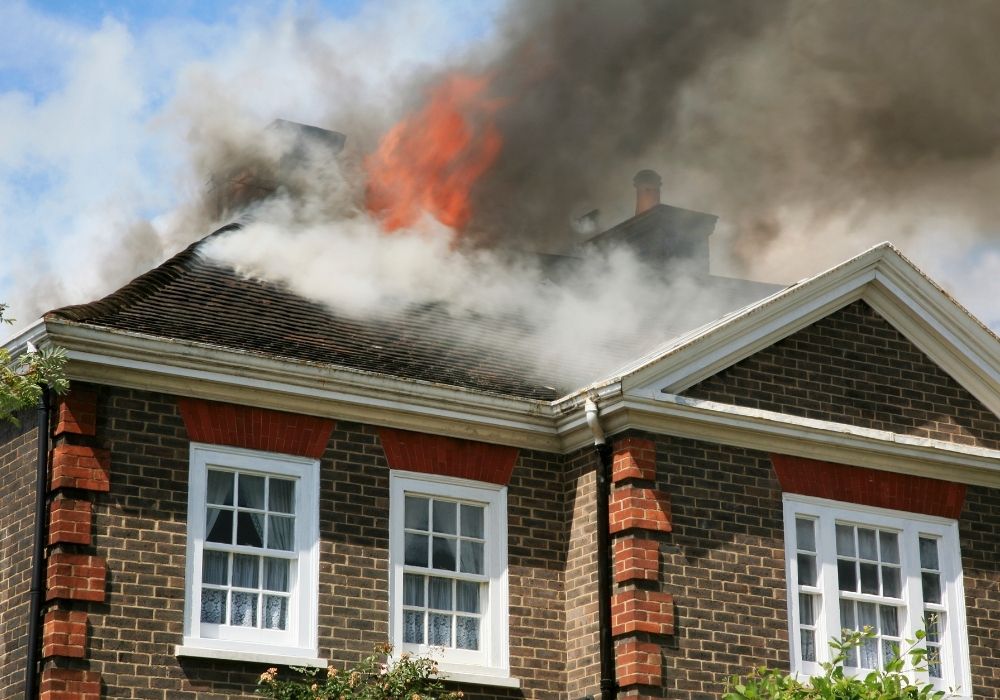
After a fire, smoke damage can affect your home in many ways. Not all smoke is the same. In fact, there are two main types: wet smoke and dry smoke. Knowing the difference helps you understand the damage and how to fix it.
If your home has been affected by fire, it’s important to act fast. You can learn more about professional help with fire damage restoration services to protect your home and belongings.
In this guide, we will explain wet smoke vs dry smoke in simple terms so you know what to expect and what to do next.
What Is Smoke Damage?
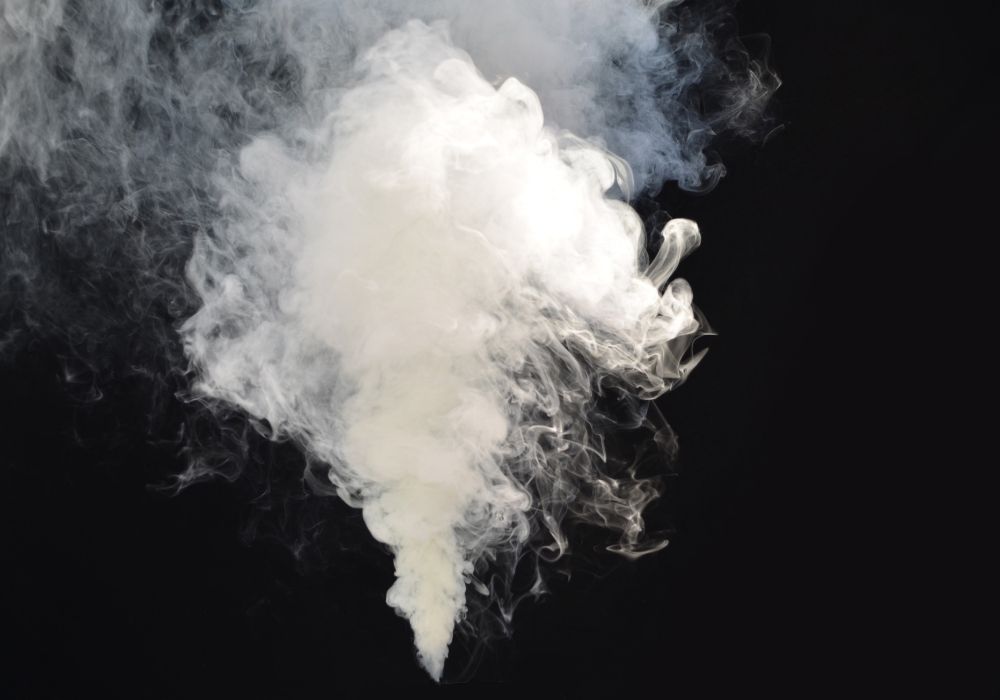
Smoke damage happens when particles from a fire spread through your home. These particles stick to walls, ceilings, furniture, and even inside HVAC systems.
Smoke damage can cause:
- Strong odors
- Stains on surfaces
- Corrosion on materials
- Health risks from poor indoor air quality
The type of smoke depends on what burned and how it burned.
What Is Wet Smoke?
Wet smoke comes from low-heat fires. These fires burn slowly and often involve materials like plastic, rubber, or synthetic items.
Key Features of Wet Smoke
- Sticky and thick residue
- Strong, unpleasant smell
- Smears easily when cleaned
- Hard to remove
Wet smoke leaves behind a greasy film that sticks to surfaces. It can get deep into porous materials like drywall, carpet, and upholstery.
Common Causes of Wet Smoke
- Kitchen fires
- Electrical fires
- Burning plastic or rubber
- Smoldering materials
Because wet smoke is sticky, it spreads easily and can be very difficult to clean without professional tools.
What Is Dry Smoke?
Dry smoke comes from high-temperature fires. These fires burn fast and often involve materials like wood or paper.
Key Features of Dry Smoke
- Powdery residue
- Light and easy to spread
- Less sticky than wet smoke
- Easier to clean (but still harmful)
Dry smoke leaves a fine dust that can settle on surfaces throughout your home.
Common Causes of Dry Smoke
- Wood fires
- Paper fires
- Fast-burning flames
- High heat conditions
Even though it is easier to clean than wet smoke, dry smoke can still damage electronics, walls, and fabrics.
Wet Smoke vs Dry Smoke: Main Differences
Understanding the difference between wet smoke vs dry smoke helps you choose the right cleanup method.
Texture and Residue
- Wet smoke: Thick, sticky, greasy
- Dry smoke: Light, powdery
Odor
- Wet smoke: Strong and lingering
- Dry smoke: Less intense but still noticeable
Cleaning Difficulty
- Wet smoke: Very hard to clean
- Dry smoke: Easier but still requires care
Damage Level
- Wet smoke: Deep and long-lasting damage
- Dry smoke: Surface-level but widespread
How Smoke Type Affects Your Home
Both types of smoke can cause serious problems, but they affect your home in different ways.
Damage to Walls and Ceilings
Wet smoke can soak into paint and drywall. It leaves stains that are hard to remove. Dry smoke sits on the surface but can spread quickly.
Damage to Furniture and Fabrics
Wet smoke sticks to soft materials like couches and curtains. Dry smoke can settle into fibers but may be easier to clean.
Damage to HVAC Systems
Smoke particles can enter your HVAC system and spread throughout your home. This lowers indoor air quality and can cause ongoing odors.
Damage to Electronics
Both wet and dry smoke can harm electronics. Wet smoke is more corrosive and can damage circuits faster.
Health Risks of Smoke Damage
Smoke is not just a cleaning problem. It can also affect your health.
Common Health Issues
- Breathing problems
- Eye irritation
- Headaches
- Skin irritation
Wet smoke can be especially harmful because it contains more chemicals and toxins.
Children, older adults, and people with asthma are at higher risk.
Why Professional Cleanup Is Important
Cleaning smoke damage is not easy. Many homeowners try to clean it themselves, but this can make things worse.
Risks of DIY Cleanup
- Spreading soot further
- Smearing wet smoke residue
- Missing hidden damage
- Not removing odors fully
Benefits of Professional Restoration
Preferred Restoration uses advanced tools and methods to remove smoke damage safely.
These include:
- HEPA air filtration
- Thermal fogging
- Ozone treatments
- Specialized cleaning solutions
Professionals can also check for hidden damage and restore your home faster.
How Smoke Damage Is Cleaned
The cleaning process depends on whether you have wet smoke or dry smoke.
Cleaning Wet Smoke
- Use strong degreasers
- Remove sticky residue carefully
- Clean deep into surfaces
- Deodorize thoroughly
Wet smoke often requires multiple cleaning steps.
Cleaning Dry Smoke
- Vacuum loose soot
- Use dry cleaning sponges
- Wipe surfaces gently
- Clean air ducts
Dry smoke cleanup is easier but still requires care to avoid spreading particles.
Preventing Smoke Damage in the Future
While not all fires can be prevented, you can reduce your risk.
Simple Safety Tips
- Install smoke detectors
- Keep fire extinguishers nearby
- Avoid overloading outlets
- Clean kitchen appliances regularly
- Store flammable items safely
Being prepared can help protect your home and family.
When to Call Preferred Restoration
If your home has smoke damage, it’s best to call professionals right away.
Signs You Need Help
- Strong smoke odor
- Visible soot on surfaces
- Stains on walls or ceilings
- Damage after a fire
Preferred Restoration has experience handling both wet smoke and dry smoke damage. Fast action can prevent further damage and save your belongings.
FAQs About Wet Smoke vs Dry Smoke
What is worse, wet smoke or dry smoke?
Wet smoke is usually worse because it is sticky, smells stronger, and is harder to clean. It can also cause deeper damage.
Can I clean smoke damage myself?
Small areas may be cleaned, but most smoke damage needs professional help. DIY cleaning can spread soot and make damage worse.
How long does smoke smell last?
Smoke smell can last for weeks or months if not treated properly. Professional deodorizing removes odors faster.
Does smoke damage affect home value?
Yes, smoke damage can lower home value if not fixed. Proper restoration helps protect your investment.
How fast should I clean smoke damage?
You should act as soon as possible. The longer smoke sits, the more damage it causes.