Water Damage from Leaking Pipes: When to Call a Plumber vs Restoration Company
What Is Water Damage from Leaking Pipes?
Water damage from leaking pipes happens when water escapes from a pipe, valve, or plumbing system and soaks into your home. This extra water can spread into the floor, wall, ceiling, and even the foundation. Over time, it can lead to mold, mildew, stains, bad odor, and serious home repair costs.
A small water leak may not look like a big deal at first. But if it continues, that leak can turn into a flood in your basement, bathroom, kitchen, or laundry room. Leaking pipes can also cause erosion in soil around your house and weaken concrete and wood.
A good water damage restoration team and a quality plumbing company can help you fix leaks, dry out your home, and prevent water loss from turning into a big hazard.
What Causes Water Damage from Leaking Pipes?
High Water Pressure and Old Pipes
High water pressure puts stress on every pipe, valve, and joint in your plumbing system. Over time, this pressure can cause:
- Tiny cracks in the pipeline
- Loose solder around copper pipe joints
- Corrosion that weakens metal pipes
If a pipe is old or already weak, sudden changes in water pressure can lead to a burst pipe. A burst pipe can send water everywhere, flooding your floor, drywall, and ceiling in minutes.
A pressure regulator can help keep safe water pressure in your home so pipes are less likely to break or leak.
Tree Roots, Soil, and Shifting Foundations
Pipes that run under the soil in your yard can be damaged by tree root growth. Roots search for water and can push into tiny cracks in the pipe. Over time, this can:
- Block the drain or main water line
- Cause slow leaks underground
- Lead to sewage backup into your home
Shifts in soil and foundation erosion from rain and poor drainage can also put stress on buried pipes, causing leaks and cracks.
Appliances, Bathroom, and Kitchen Fixtures
Everyday things in your home can cause water leaks, such as:
- Washing machine hoses that crack or slip off
- Dishwashers that leak at the door or drain line
- Toilets with loose seals at the base
- Sinks and showers with worn-out caulk or drain gaskets
These plumbing leaks can drip into cabinets, behind walls, under floors, and into the basement. Over time, moisture builds up, and you may see mold, mildew, or a musty odor.
Signs of Water Leaks You Should Not Ignore
Stains, Odors, and Visible Damage
Here are common signs of water leaks and water damage:
- Brown or yellow stain on the ceiling or wall
- Peeling paint or bubbling drywall
- Swollen wood floor or soft spots in the floor
- Musty odor in the basement, bathroom, or kitchen
- White or green growth (mold or mildew) on walls, furniture, or concrete
You might also see water rings around light fixtures in the ceiling or on drywall, or dark stains around the base of a toilet or under a sink.
Changes in Water Pressure and Bills
Some leaks are hidden inside walls or under floors. You may notice:
- Drop in water pressure in your shower or sink
- The sound of water running when no tap is on
- Wet spots on the floor or carpet with no clear cause
- Higher water bill with no change in how much you use
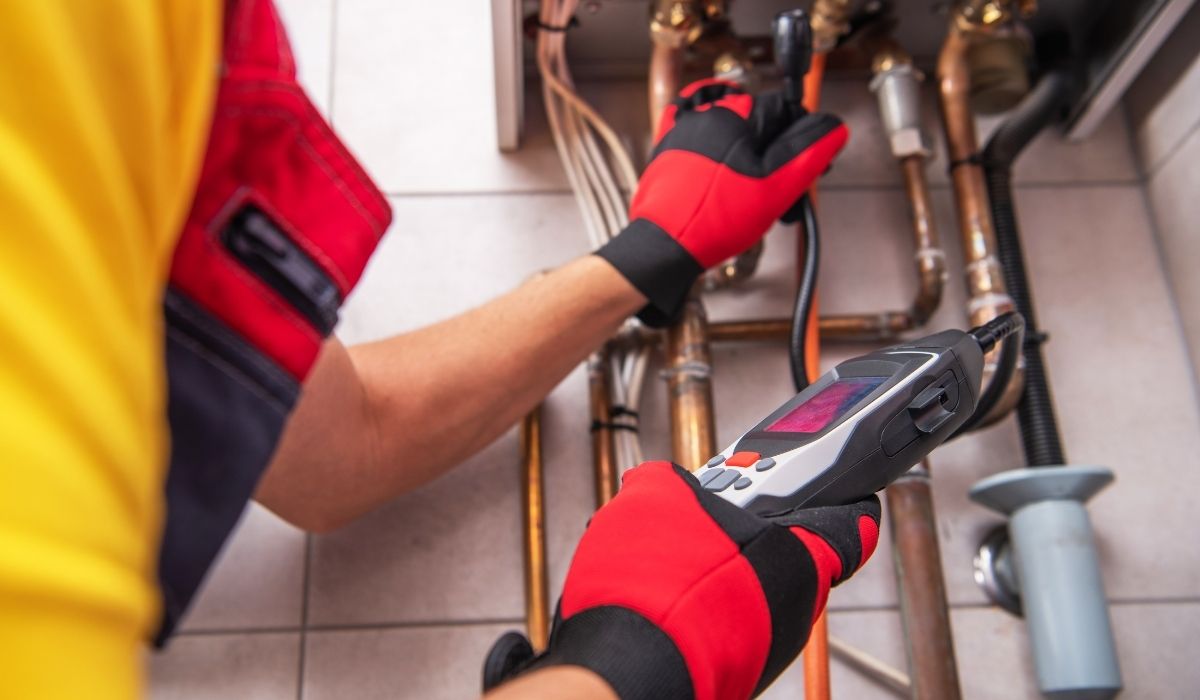
If you see these signs, leak detection is very important. A plumber can use tools like a moisture meter, cameras, and pressure tests to find hidden plumbing leaks.
Why Plumbing Leaks Are Dangerous If You Ignore Them
Structural Damage to Your Home
Water that continues to leak can damage:
- Wood framing and beams
- Drywall and insulation
- Concrete slab and foundation
- Floor coverings like carpet, tile, and wood
Moisture can cause wood to rot, concrete to crack, and walls to shift. Over time, this can weaken your home and lead to very costly repairs. In basements, ongoing leaks can mix with soil and create erosion around the foundation.
Health Risks from Mold, Mildew, and Sewage
Moisture and heat together create the perfect place for mold and mildew. Mold spores can spread through the air and affect indoor air quality. For some people, this can cause:
- Coughing and sneezing
- Headaches
- Eye, nose, or throat irritation
If the leak involves sewage pipes, the hazard is even greater. Sewage backup can bring bacteria and other harmful germs into your house. This kind of water damage needs fast, professional water damage restoration and deep cleaning.
What To Do When You Find a Water Leak
Step 1: Shut Off the Water Supply
If you see a burst pipe, water pouring from the ceiling, or a major water leak:
- Turn off the main water supply valve to your home.
- If possible, shut off the valve to just the leaking pipe or fixture.
- Turn off power if water is near outlets or electrical panels.
This helps prevent water loss, flood damage, and electrical hazards.
Step 2: Call a Plumber and a Water Damage Restoration Team
Next, call a licensed plumber with experience in quality plumbing repairs. They can:
- Inspect your plumbing system
- Use leak detection tools
- Repair or replace the damaged pipe, valve, or supply line
Then, contact a professional water damage restoration company. They can:
- Inspect the extent of water damage
- Use pumps and sump pump systems to remove standing water
- Set up fans, dehumidifiers, and heat to dry wet areas
- Clean and treat surfaces to prevent mold growth
This expert help protects your home and health.
Step 3: Protect Your Belongings
While you wait for help:
- Move furniture, rugs, and belongings away from wet areas
- Put aluminum foil or wood blocks under furniture legs to prevent stain transfer
- Do not use regular household vacuum to remove water
If water comes from a roof leak or rain, try to catch dripping water in buckets until roof repair is done.
How Professionals Fix Water Damage from Leaking Pipes
Leak Detection, Inspection, and Repairs
A professional team will:
- Perform a full inspection of pipes, ceiling, walls, and floor
- Use moisture meters to find hidden wet spots
- Check for corrosion, broken valves, and damaged drainage lines
- Repair or replace pipes, solder joints, and fittings
They may also inspect nearby areas like the basement, bathroom, kitchen, and roof to make sure there are no other leaks or hazards.
Drying, Cleaning, and Mold Prevention
Water damage restoration pros use:
- Industrial fans and dehumidifiers to remove moisture
- Pumps and wet vacuums to remove standing water
- Cleaning agents to remove bacteria, mildew, and odor
- Special treatments to prevent mold growth on drywall, wood, and concrete
They may also remove and replace damaged drywall, insulation, and flooring if the water damage is severe.
How to Prevent Water Damage from Leaking Pipes
Simple Checks and Regular Maintenance
To prevent water damage, try these habits:
- Look under sinks in the kitchen and bathroom for leaks once a month
- Check the area around the washing machine, dishwasher, and water heater
- Listen for dripping sounds near walls or ceilings
- Make sure drainage around your landscape slopes away from the foundation
- Clean gutters and downspouts so rain flows away from the roof and walls
Regular plumbing inspection and maintenance can catch small plumbing leaks before they turn into big problems.
Tools and Upgrades That Help Prevent Leaks
You can also:
- Install a pressure regulator to keep safe water pressure
- Use braided steel hoses for your washing machine and dishwasher
- Add leak detection devices near the washing machine, water heater, and basement
- Add a sump pump in the basement to handle groundwater or flood water
- Insulate pipes in cold areas to help prevent ice and frozen pipes
These steps help prevent water damage and protect your home year-round.
Will Homeowners Insurance Cover Water Damage from Leaks?
Sudden Leaks vs Slow Leaks
Many homeowners insurance policies may cover sudden and accidental water damage, such as:
- A burst pipe
- A sudden washing machine hose failure
- A sudden leak from a broken valve
But slow leaks that happen over a long time may not be covered, especially if they are due to lack of maintenance. Every policy is different, so it is important to read your homeowners insurance documents or talk with your agent.
Tips for Working With Your Insurance Company
If you have water damage:
- Take photos and videos of the affected area (walls, floor, ceiling, furniture)
- Write down when you first noticed the signs of water leaks
- Save receipts for repairs, pump rental, or emergency work
- Contact your insurance company as soon as possible
A good water damage restoration company can also help you document the damage for your claim and continue to work with your adjuster.
When Should You Call a Water Damage Restoration Expert?
Call a water damage restoration expert right away if:
- You see standing water in your basement, bathroom, or kitchen
- The leak involves sewage or a strong odor
- Mold or mildew is visible on walls, ceiling, or floor
- Water has soaked into wood, drywall, or insulation
- You are worried about structural damage to the foundation or concrete
Fast, professional help can reduce the hazard, protect your health, and save you money on long-term repairs.
FAQs About Water Damage from Leaking Pipes
How do I know if I have a hidden water leak?
You may have a hidden water leak if you notice stains on the ceiling or wall, a musty odor, soft spots on the floor, lower water pressure, or a higher water bill. You might also hear dripping or running water when faucets are off. A plumber can use a moisture meter and other leak detection tools to find plumbing leaks inside walls and under floors.
Can small plumbing leaks really cause big water damage?
Yes. Even small leaks can continue for weeks or months. Over time, moisture builds up in wood, drywall, and insulation. This can cause mold, mildew, stains, and even structural damage. It is important to repair any leak as soon as you see the signs.
What should I do first when a pipe bursts in my home?
First, shut off the main water supply or the valve leading to the burst pipe. This helps stop the water loss and prevent further flooding. Next, call a licensed plumber and a water damage restoration company. While you wait, move items away from the wet area and, if safe, use a pump or wet vacuum to remove standing water.
How can I prevent water damage from leaking pipes in the future?
You can prevent water damage by doing regular maintenance on your plumbing system. Check under sinks, around toilets, showers, washing machines, and dishwashers for leaks. Keep gutters and drainage clear so rain flows away from your home. Consider installing a pressure regulator, leak detection alarms, and a sump pump if you have a basement.
Does water damage from leaks always require professional help?
Not always, but often it does. Small spills that you can dry quickly may not need pros. However, if water has soaked into walls, floors, or ceilings, or if the water is from sewage or a long-term leak, you should call a professional water damage restoration company. They have the right equipment, training, and inspection tools to fully dry your home and prevent mold growth.