Smoke Damage in HVAC: Signs Your Ducts Need Professional Cleaning
If your home had a fire, or even heavy wildfire smoke outside, your hvac system can pull in dirty air. That air can carry soot, dust, and particulate matter into your air duct network. Later, every time the system runs, it may push smoky odor and pollutant particles back into your rooms. That can hurt indoor air quality and trigger allergy symptoms or asthma flare-ups. For help after a fire, you can also learn more about smoke damage restoration and damage restoration at Preferred Restoration.
What Is Smoke Damage HVAC Duct Cleaning?
Smoke damage HVAC duct cleaning is a special kind of air duct cleaning done after a fire or heavy wildfires smoke event. It focuses on removing:
- Soot (tiny black particles from burning materials)
- Sticky smoke residue that can coat air ducts
- Contamination like ash, dust, and other pollutant debris
- Smoke odor that keeps coming back
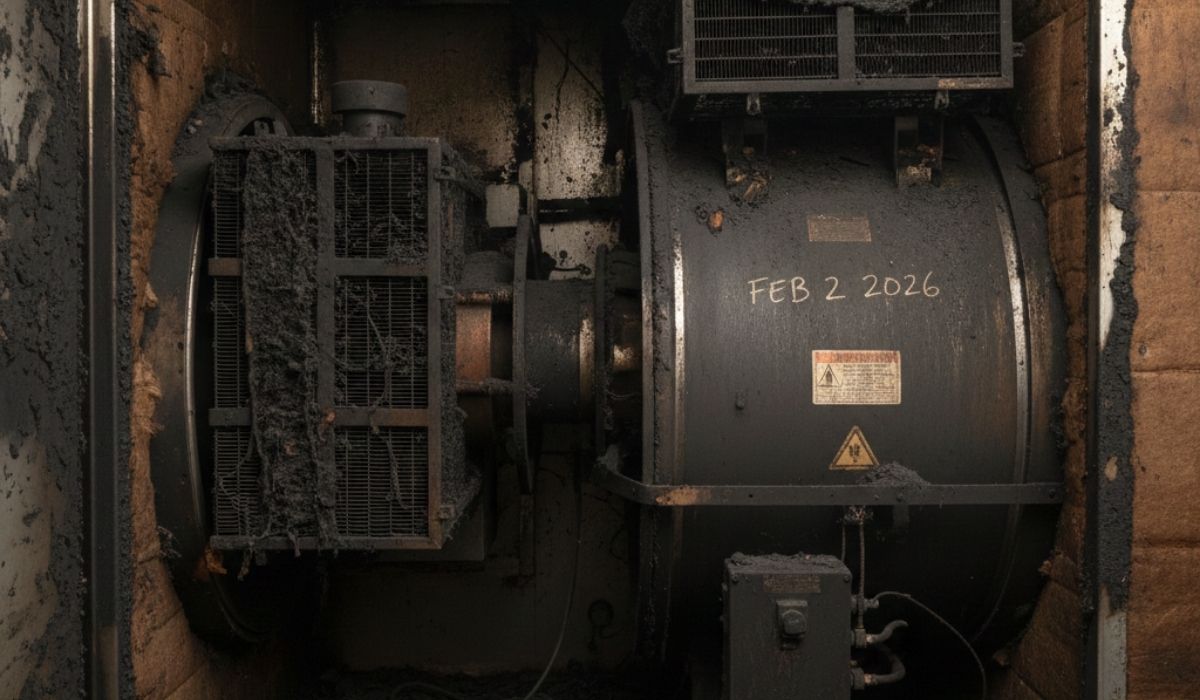
Regular “light” cleaning is often not enough after smoke exposure. Smoke can hide inside the air handler, around the blower, and near the coils. A trained technician uses the right tools, steps, and safety controls so particles do not spread through the home.
Why smoke inside ducts is a bigger problem than you think
Smoke particles are tiny. Particulate matter can float through vents and settle deep in ducts. When the fan turns on, airflow can pick those particles back up and move them around. That can:
- Make the home smell smoky again
- Lower air quality
- Irritate lungs and eyes
- Add extra load to filters and the hvac unit
Signs Your HVAC System Has Smoke Contamination
After a fire (or strong wildfire smoke), watch for these signs:
- Smoke smell comes out of supply vents
- Black or gray soot dust near registers
- More coughing, sneezing, or asthma symptoms
- Dirty filters very quickly
- Weak airflow or rooms that won’t heat/cool evenly
- The system runs longer, using more energy
Quick home check you can do safely
You can do a basic check without taking anything apart:
- Look at vents for dark residue
- Smell the air when the system first turns on
- Check your filter for gray/black buildup
If you see heavy soot, don’t wipe it dry. Dry wiping can spread particulate matter into the air.
Why Indoor Air Quality Matters After Fire or Wildfire Smoke
Your home’s indoor air quality affects your health every day. Smoke carries pollutant particles and chemicals that can irritate airways. Children, older adults, and anyone with asthma or an allergy risk can feel it faster.
Health issues linked to smoky indoor air
Smoke exposure can lead to:
- Headaches and sore throat
- Eye irritation
- Increased coughing
- Trouble breathing (especially with asthma)
- Sleep problems because of strong odor
If your home also has moisture from fire suppression water, you can get another problem: mold. Smoke + wet materials can lead to contamination that grows worse over time.
What Happens During a Professional Smoke Damage Duct Cleaning?
Professional hvac cleaning after smoke is a step-by-step process. It is not just “vacuum the vents.” A qualified team uses tools and containment methods to protect your home.
Step 1: Inspection and Planning
A full inspection helps the team understand how bad the smoke damage is. This may include checking:
- Supply and return air duct lines
- Registers and grilles
- The air handler and blower area
- Filter housing
- Areas where soot collects
The goal is to locate contamination, find odor sources, and plan the safest cleaning route.
Why inspection matters for insurance and proof
If you’re filing an insurance claim, documentation matters. Photos, notes, and scope details can help show why duct cleaning and damage restoration are needed.
Step 2: Protecting the Home From More Contamination
During smoke cleanup, it’s important not to blow soot into the house. A professional technician may:
- Use containment barriers
- Use negative air pressure equipment
- Cover floors and nearby surfaces
- Seal registers during certain steps
This keeps dust, soot, and other particulate matter from spreading.
Step 3: Source Removal With Vacuum and Agitation Tools
True air duct cleaning is about removing the source of the debris. Teams often use:
- A powerful vacuum system attached to the duct trunk line
- Brushes or air whips to loosen soot and dust
- Controlled methods to pull debris toward the vacuum
This helps improve airflow and can reduce smoke odor.
Cleaning the air handler and hvac parts
Smoke residue may also be on parts of the hvac system, like:
- Blower wheel
- Fan housing
- Coils (when safe and needed)
- Drain pan area
Cleaning these areas matters because they directly touch the air moving through the home.
Step 4: Odor Control for Smoke Smells That Won’t Go Away
Smoke odor often sits in porous materials, but it can also stick to duct surfaces. After source removal, odor control may include:
- Cleaning and wiping accessible surfaces
- Using safe deodorizing steps when appropriate
- Replacing filters and sometimes insulation if it’s contaminated
A pro will choose the right method for your situation. The key is: deodorizing works best after soot and residue are removed.
Step 5: Final Checks for Airflow and Air Quality
After cleaning, the team checks:
- Airflow at vents
- Filter fit and condition
- Any remaining soot or dust at registers
- Odor improvement
This helps confirm your hvac is moving cleaner air again and not pushing hidden debris around your home.
Is Duct Cleaning Always Needed After Smoke Damage?
Not always. It depends on the smoke level, how long the system ran, and where the smoke traveled.
You’re more likely to need full duct cleaning if:
- The system was running during the fire
- You have visible soot at vents
- There is strong odor when the system turns on
- The home had heavy smoke or wildfire ash infiltration
If smoke exposure was light, sometimes a detailed inspection, filter replacement, and targeted cleaning near the air handler may be enough.
When replacement may be needed instead of cleaning
In some cases, parts of the system may need replacement, such as:
- Fiberglass duct liner that absorbed smoke odor
- Filters and filter housing parts that are heavily contaminated
- Flex duct sections with trapped soot and residue
A trusted restoration team will explain what can be cleaned and what should be replaced for safety and long-term results.
Can Smoke Damage Lead to Mold in the HVAC System?
Yes, it can—especially if there was water used to put out the fire, or if humidity rose after the event. Moisture plus dirty surfaces can create a good place for mold to grow.
Signs that mold may be present include:
- Musty smell mixed with smoke odor
- Allergy-like symptoms that don’t improve
- Visible spotting near vents or inside the air handler area
If mold is suspected, it needs special handling. Cleaning without proper controls can spread spores and worsen air quality.
How to Choose a Safe HVAC Duct Cleaning Team After a Fire
Not all duct cleaning is the same. After smoke damage, you want a team that understands smoke damage restoration and follows strong standards.
Look for NADCA awareness and good safety steps
NADCA (a duct cleaning industry association) is often mentioned in duct cleaning standards. While a name alone does not guarantee quality, a team that follows professional best practices—like proper containment, source removal, and careful equipment use—can make a big difference. Ask about their process and how they prevent spreading particulate matter.
Questions to ask your technician
- Will you clean the air handler and key hvac components?
- How do you keep soot from spreading in the home?
- What kind of vacuum system do you use?
- Will you document the work for insurance?
- How will you confirm improved airflow and reduced odor?
Insurance: Will It Cover Smoke Damage HVAC Duct Cleaning?
Sometimes, yes—especially when smoke damage is part of a covered fire claim. Coverage depends on your policy, the cause of loss, and the claim details. The best next step is to:
- Report the loss quickly
- Take photos of soot and affected areas
- Keep receipts and written notes
- Ask your adjuster what documentation they need
A restoration company experienced in fire losses can help provide the scope and proof of why cleaning is necessary.
What You Should NOT Do After Smoke Gets Into Your Ducts
Some actions can make the problem worse:
- Don’t run the hvac system if vents blow soot or heavy smoke odor
- Don’t use a household vacuum on soot (it can blow fine particles back out)
- Don’t dry-dust vents or registers
- Don’t spray strong fragrances into vents (it can mix with smoke odor instead of removing it)
If you need to use the system for heat or cooling, change the filter first and consider having a pro inspect it quickly.
How Smoke Damage Affects Energy Use and HVAC Performance
Smoke and dust buildup can restrict airflow, making the system work harder. When the blower and pathways are dirty:
- The system may run longer to reach temperature
- Parts can wear out sooner
- Energy bills may rise
- Filters clog faster
Good hvac cleaning can help restore smoother airflow and reduce strain on the system.
When to Call Preferred Restoration
If your home had a fire or heavy wildfire smoke exposure and your vents smell smoky, it’s time to get a professional inspection. Preferred Restoration can help with smoke damage, damage restoration, and safe cleaning steps that protect your home’s air quality and health. The faster you act, the easier it is to stop soot and odor from becoming a long-term problem.
FAQs
How long does smoke damage HVAC duct cleaning take?
Most jobs take a few hours, but it depends on the size of the home, the number of air ducts, and how much soot and contamination is present. Heavy smoke damage restoration may take longer if the air handler and other hvac parts need deep cleaning too.
Can I clean smoke out of my ducts myself?
Light dusting around vents is one thing, but smoke particulate matter and soot can spread easily. DIY attempts often miss the main trunk lines and the hvac system parts that move air. A trained technician with the right vacuum setup is safer and more effective.
Will duct cleaning remove the smoke odor completely?
It can remove a major source of odor when the smell is inside the duct system. But smoke odor can also live in walls, insulation, furniture, and carpets. For best results, duct cleaning is often one part of a full smoke damage restoration plan.
Is duct cleaning important after wildfire smoke?
Yes, it can be. Wildfires can push ash, soot, and pollutant particles into your home—especially if doors, windows, or attic vents let smoke in. If your filters clog fast or your vents smell smoky, schedule an inspection for possible duct cleaning.
Do I need to replace my HVAC filter after smoke damage?
Almost always, yes. Filters can trap dust and smoke particles, but they can also become overloaded fast. Replacing the filter helps protect indoor air quality, supports better airflow, and reduces strain on your hvac.