Should I buy a house with previous water damage?
Yes, you can buy a water damaged house, but only if you understand the risk and know what to check. Some homes had a small leak years ago and were repaired the right way. Other homes had major water issues that keep coming back. The key is learning what happened, what was fixed, and what could still be hiding behind the walls.
Buying a home is a big investment. If you purchase a home with past water damage, you need clear proof of repairs, a strong inspection, and a plan for insurance and future cost. A good real estate agent or estate agent can help you ask the right questions, but you should also protect yourself with a careful home inspection.

What kind of water damage matters most when buying a home?
Not all water damage is the same. Some problems are minor, and some can lower the market value of the property for years.
Here are common types to watch for:
Was the damage from a flood or outside water?
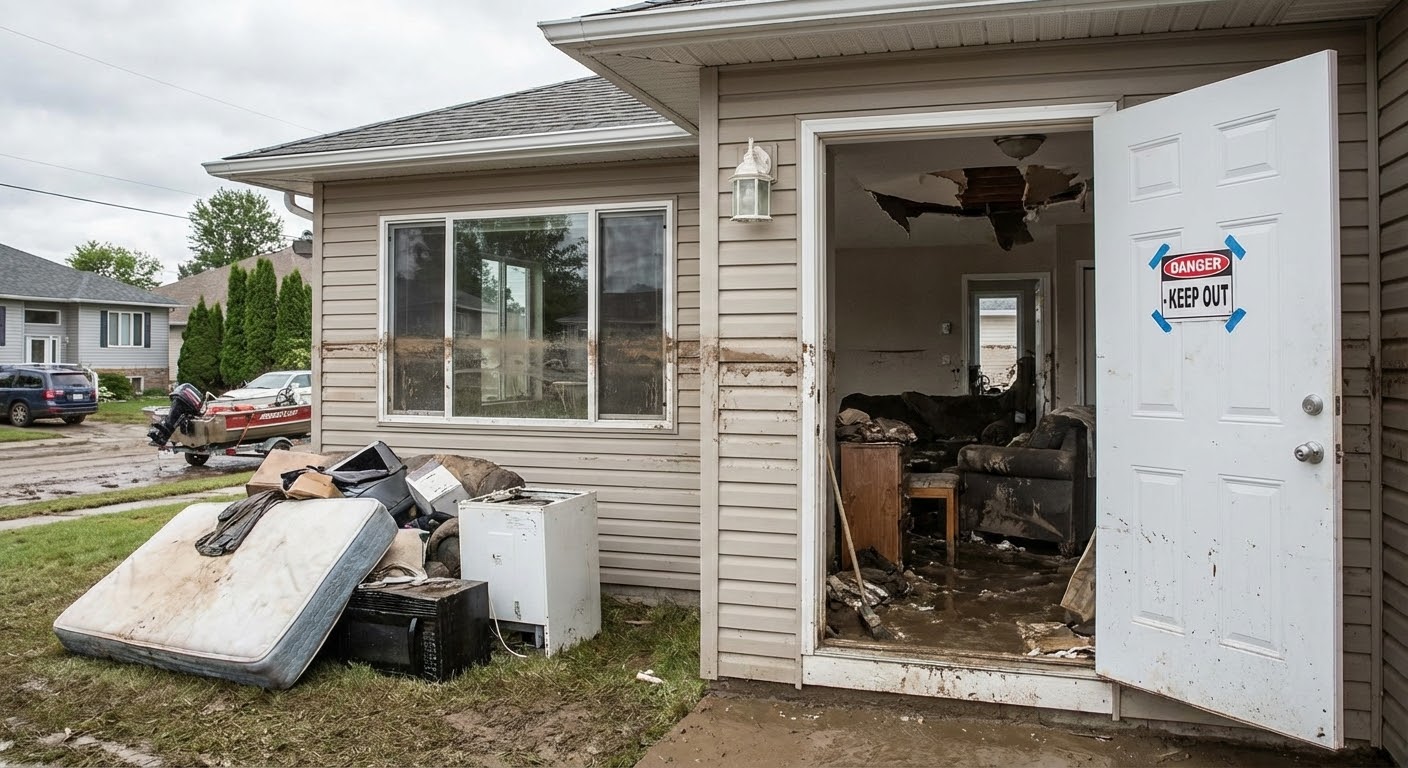
A flood can push dirty water into a basement, crawl space, and drywall. Flood damage can be more serious because the water may carry bacteria. It can also mean you need flood insurance, which may raise your monthly cost. If the home is in a flood zone, your mortgage lender may require flood insurance before they approve your loan.
Was the damage from plumbing or a leak inside the home?
Plumbing leaks can be small or huge. A slow drip can soak wood, rot framing, and grow mold over time. A burst pipe can soak drywall, flooring, and cabinets fast. The biggest issue is whether the homeowner found it quickly and did full drying and repairs.
Was the damage from the roof?
A roof leak can look small, but it can travel far. Water may run down inside walls and collect in hidden areas. By the time you see a stain, the damage may already be deep. Roof-related water issues can also show up again if the roof was not fixed the right way.
What are the biggest red flags that water damage repairs were not done right?
When you’re buying a home, you want to know if the repairs were complete or if someone simply “covered it up.”
Look for these warning signs:
Do you see stains, bubbling paint, or soft drywall?
Water can make drywall weak. If a wall feels soft, wavy, or crumbly, that can mean moisture is still present or there was past damage that was not repaired fully.
Do you smell musty odors that could mean mold?
Mold often smells earthy or musty. If you smell it in the basement, bathrooms, laundry area, or near closets, take it seriously. Mold can grow behind drywall, under floors, and inside cabinets.
Are there warped floors or damaged wood?
Wood can swell and bend after water damage. Look for uneven flooring, buckled boards, or trim that doesn’t sit flat.
Is the basement damp or are there drainage problems outside?
A basement that feels damp may have poor drainage, grading issues, or a failing sump pump. Outside drainage problems can cause water to press against the foundation and enter the home again during storms.
What should I ask the seller, real estate agent, or estate agent about water damage?
Ask direct questions and request clear paperwork. This is part of smart real estate buying.
Here are helpful questions:
What caused the water damage and when did it happen?
You want the full story: leak, plumbing failure, roof issue, or flood event. Also ask if there were repeat water issues.
What repairs were completed and who did them?
Ask for invoices, photos, and proof of professional work. If the seller says “we fixed it ourselves,” that doesn’t always mean the repair was bad, but you need more proof. Water damage repairs often require professional drying to prevent mold.
Was an insurance claim filed?
Insurance history matters. It may affect future insurance coverage or rates. Ask what the insurance company paid for and what was excluded.
Are there warranties for repairs or equipment?
If a sump pump, drainage system, or plumbing repair was installed, ask if it has a warranty and if it can transfer to you after purchase.
Why is a home inspection so important for a water damaged house?
A home inspection helps you find problems you may not see during a quick walk-through. For a water damaged house, an inspection is not optional—it’s a must.
Should I choose an inspector with water damage experience?
Yes. Choose an inspector who understands water issues and knows what to look for. A skilled inspector may use moisture meters and check common leak areas.
What areas should the inspection focus on?
A strong inspection should look closely at:
- Plumbing lines and under sinks
- Bathrooms and laundry hookups
- The roof, attic, and vents
- The basement and foundation
- Drywall, trim, and flooring
- Drainage around the property
If water damage is suspected, you may also want specialized mold testing, depending on what the inspector finds.
How do I know if mold is a serious risk before I buy?
Mold is one of the biggest concerns tied to water damage. Mold can impact indoor air and can be expensive to remove if it spread.
What signs can point to hidden mold?
- Musty smells that don’t go away
- Past leaks near drywall or ceilings
- Areas that feel damp, especially in a basement
- Discoloration behind cabinets or around vents
What should I do if I suspect mold during the buying process?
Do not ignore it. If you’re still interested in buying, request additional inspection steps. You can also negotiate repairs or credits based on professional findings.
Preferred Restoration can help homeowners understand what water damage and mold cleanup may involve, so you can make a safer decision before you purchase.
How can water damage affect my mortgage, loan, and insurance?
Water history can impact how easy it is to purchase a home.
Can a mortgage lender block the purchase?
Sometimes, yes. If a home has active damage, major mold, or unsafe conditions, a mortgage lender may delay or deny the loan until repairs are complete. Some loans require the home to be “move-in ready” and safe.
Will insurance cover a home with past water damage?
Insurance rules vary, but past claims or ongoing water issues can raise rates or limit coverage. Ask your insurance provider early in the process. Also learn the difference between standard insurance and flood insurance.
When do I need flood insurance?
If the property is in a high-risk flood area, your lender may require flood insurance to close the mortgage. Even outside flood zones, some buyers choose flood insurance for extra peace of mind.
What repairs should I budget for when buying a home with prior water damage?
The cost depends on how big the damage was and what materials were affected.
What common repairs happen after water damage?
- Replacing drywall and insulation
- Repairing or replacing wood framing or subfloor
- Fixing plumbing lines or worn valves
- Restoring damaged flooring
- Sealing foundation cracks and improving drainage
- Installing or replacing a sump pump
- Cleaning, drying, and treating areas to prevent mold
How do I estimate the true cost before I purchase?
Ask for repair records, then get professional opinions when needed. A seller may show a low repair bill, but that doesn’t always include hidden drying needs. It’s smart to plan for extra cost in your budget.
Buying a home is already a big purchase, so you don’t want surprise water damage repairs right after move-in.
Should I continue with the purchase or walk away?
This is the big question. The right answer depends on the home’s condition, the repair quality, and the property price.
When does it make sense to continue buying?
You may continue if:
- The cause was fixed (roof, plumbing, drainage, or flood barrier)
- There is proof of professional repairs and drying
- A trusted inspector finds no current moisture
- The market value still makes sense after repair costs
- You can get insurance and, if needed, flood insurance
When should I walk away from buying a home?
You may want to walk away if:
- The seller cannot explain the damage clearly
- There are repeated water issues in the basement or crawl space
- Mold is visible or strongly suspected and not addressed
- Drainage problems are severe and not fixable at a reasonable cost
- Your loan or insurance becomes difficult or expensive
A real estate agent can help you negotiate, but it’s okay to protect yourself and choose a safer property.
How can Preferred Restoration help if I’m considering a water damaged house?
Preferred Restoration helps homeowners understand water damage and what proper repairs should look like. If you’re buying a home and you’re unsure about past damage, knowing the correct restoration steps can help you make a smarter choice.
Can Preferred Restoration explain what a proper water damage repair includes?
Yes. Proper water damage cleanup usually includes finding the source, stopping the water, drying the area fully, and repairing materials like drywall and wood. If a flood happened, cleaning may also include sanitizing.
Can Preferred Restoration help after I buy the home?
Yes. If you purchase a home and later find water issues, Preferred Restoration can help you respond fast, reduce damage, and prevent mold growth. You can visit our website to learn more and request help.
FAQs
Should I buy a house with previous water damage if the price is lower?
Sometimes. A lower price can be a good deal, but only if the repairs were done right and the market value still makes sense after future cost and risk are added.
Should I buy a house with previous water damage if the home inspection looks okay?
It can be a safer choice if the inspection shows no current moisture and the repair records look solid. Still, ask about insurance, past claims, and drainage so you don’t miss hidden water issues.
Should I buy a house with previous water damage if it had a flood?
Be extra careful. Flood damage can be more serious and may require flood insurance. Make sure the cause was addressed and that the home was professionally cleaned and dried.
Should I buy a house with previous water damage if there was mold?
Only consider it if mold was properly removed and the moisture source was fixed. Mold can return if the area was not dried and repaired the right way.
Should I buy a house with previous water damage if the basement keeps getting damp?
That is a major red flag. A damp basement can mean long-term drainage problems, a failing sump pump, or foundation issues. You may want to walk away unless a trusted inspector confirms it can be fixed at a reasonable cost.