Mold in Rental Properties: Who Is Responsible?
Finding mold in rental property can be stressful for both tenants and landlords. Mold is not just an ugly stain on walls or ceilings. It can harm your health, damage a home, and cause legal issues. In many cases, mold grows because of water damage, leaks, or high humidity inside the home.
If you see indoor mold, it is important to act quickly. Mold can spread fast and release spores into the indoor air, which may lead to breathing problems or allergies.
When mold problems appear, many property owners or renters seek help from professional mold remediation services like Preferred Restoration, which specialize in safe removal and cleanup.
Understanding Mold in Rental Property
Mold is a type of fungus that grows in damp places. It spreads through tiny spores that float through the air. When spores land on wet surfaces like wood, carpet, or drywall, they can grow quickly.
In rental homes, mold often appears in places such as:
- Bathroom walls
- Kitchen cabinets
- Basement areas
- Attic spaces
- Around air conditioning units
- Near plumbing leaks
- Behind paint or wallpaper
- Inside walls after water damage
A small mold problem can quickly turn into a large mold infestation if the source of moisture is not fixed.
Common examples of mould in rental property include black spots on ceilings, mold in shower grout, or musty smells from damp areas.
What Causes Mold in Rental Homes?
Mold almost always starts with moisture. Many things inside a rental property can cause water to collect and lead to mold growth.
Water Damage
Water damage is one of the biggest causes of mold. Water from storms, floods, or plumbing problems can soak into walls and floors.
Common sources include:
- Broken plumbing
- Flooding in the basement
- Roof damage or a leaking roof
- Appliance leaks in the kitchen
- Overflowing shower or tub
- Pipe leaks inside walls
If water damage is not dried quickly, mold may grow within 24 to 48 hours.
High Humidity and Condensation
Warm air can hold moisture. When it cools, it turns into condensation. This moisture can collect on windows, walls, and ceilings.
High humidity often happens in:
- Bathrooms
- Kitchens
- Laundry rooms
- Basements
- Attics
Poor ventilator systems and limited airflow make the problem worse.
Using a dehumidifier can help control humidity and protect indoor air quality.
Poor Ventilation
Homes need fresh airflow. Without proper ventilation, moisture builds up indoors.
Problems can occur when:
- Bathroom fans do not work
- Kitchen exhaust vents are blocked
- Air conditioning systems do not remove moisture
- Attics lack proper ventilation
This trapped moisture creates the perfect environment for mold.
Health Risks of Indoor Mold
Many people worry about health problems caused by mold. According to the Centers for Disease Control and Prevention, mold exposure can trigger allergies and breathing issues.
Mold affects people differently. Some may not feel symptoms, while others can become very sick.
Common Health Symptoms
Exposure to indoor mold may cause:
- Coughing
- Sneezing
- Skin irritation
- Runny nose
- Headaches
- Eye irritation
Mold and Asthma
People with asthma may have worse symptoms when exposed to mold spores. Mold can irritate the lungs and cause breathing problems.
Children, older adults, and people with weak immune systems may be more sensitive to mold exposure.
Indoor Air Quality Problems
A large mold infestation can damage indoor air quality. Spores travel through the indoor air, spreading to new areas of the home.
When mold spreads through air systems like air conditioning, it can affect multiple rooms.
Who Is Responsible for Mold in Rental Property?
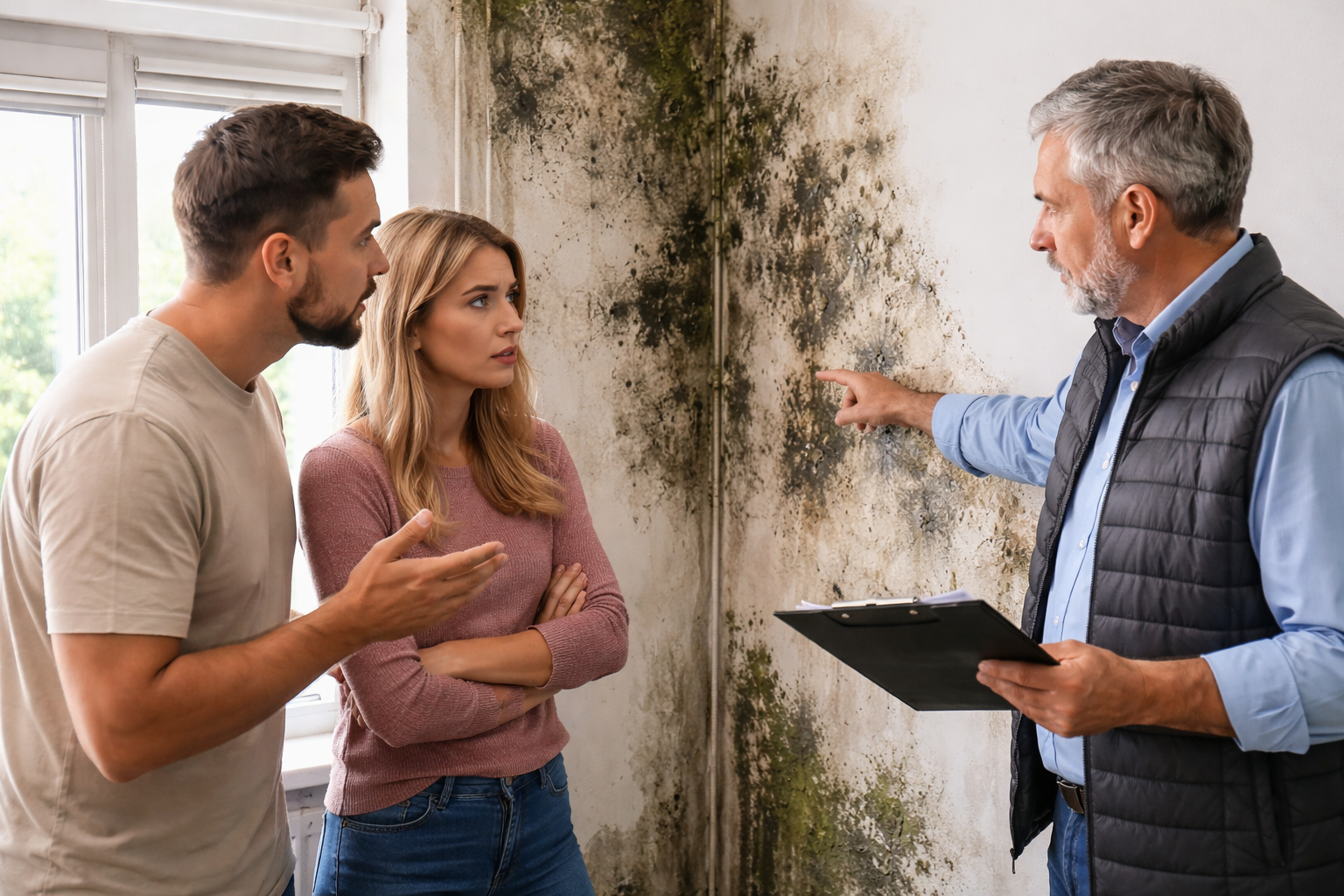
One of the biggest questions about mold in rental property is responsibility. Is the tenant responsible, or is the landlord responsible?
The answer often depends on the cause of the mold.
Landlord Responsibility
Most housing laws require landlords to provide safe living conditions. This is often called the implied warranty of habitability.
The habitability rule means a rental home must be safe and livable.
Landlords may be responsible for mold if it is caused by:
- Roof leaks
- Broken plumbing
- Water damage from storms
- Structural problems
- Faulty ventilation systems
- Poor building maintenance
If a landlord ignores a serious mold problem, it may be considered negligence.
Tenant Responsibility
Tenants may also contribute to mold growth if they do not maintain the home properly.
Examples include:
- Not reporting leaks
- Blocking ventilation
- Letting moisture build up
- Poor cleaning habits
- Leaving water spills untreated
Tenant responsibilities are usually explained in the lease or rental agreement.
Legal Issues and Mold in Rental Property
Mold problems can sometimes lead to legal conflicts between tenants and landlords.
Laws About Mold
Some states have specific laws about mold in rental housing. These laws may require inspections, repairs, or disclosure of mold problems.
In many places, landlords must fix mold that affects the home’s habitability.
Lawsuits and Liability
If mold causes serious health problems or property damage, legal action may occur.
Tenants may file a lawsuit if a landlord refuses to repair dangerous mold conditions.
Landlords may face liability if mold was caused by poor maintenance or neglect.
Before taking legal action, tenants should seek legal advice to understand their rights.
Signs of Mold Infestation in Rental Homes
It is important to detect mold early. A small problem can quickly grow into a large mold infestation.
Common signs include:
- Musty smells
- Dark spots on walls or ceilings
- Peeling paint
- Warped wood
- Damp carpet
- Mold near windows from condensation
- Mold growth around plumbing fixtures
Mold often grows in hidden places such as behind drywall, inside cabinets, or under flooring.
What To Do If You Find Mold in a Rental Property
If you discover mold problems, you should take action quickly.
Report the Problem
Tenants should notify the landlord immediately. Document the issue with photos and written communication.
Prompt reporting helps prevent the mold from spreading.
Request an Inspection
A professional inspection can identify the cause of mold and determine how serious the issue is.
Inspectors may check:
- The roof
- Plumbing systems
- The attic
- The basement
- HVAC systems
- Areas with past water damage
Fix the Moisture Source
Mold removal alone is not enough. The moisture problem must also be fixed.
This could include:
- Repairing a leak
- Fixing plumbing
- Improving ventilation
- Installing a dehumidifier
Professional Mold Remediation
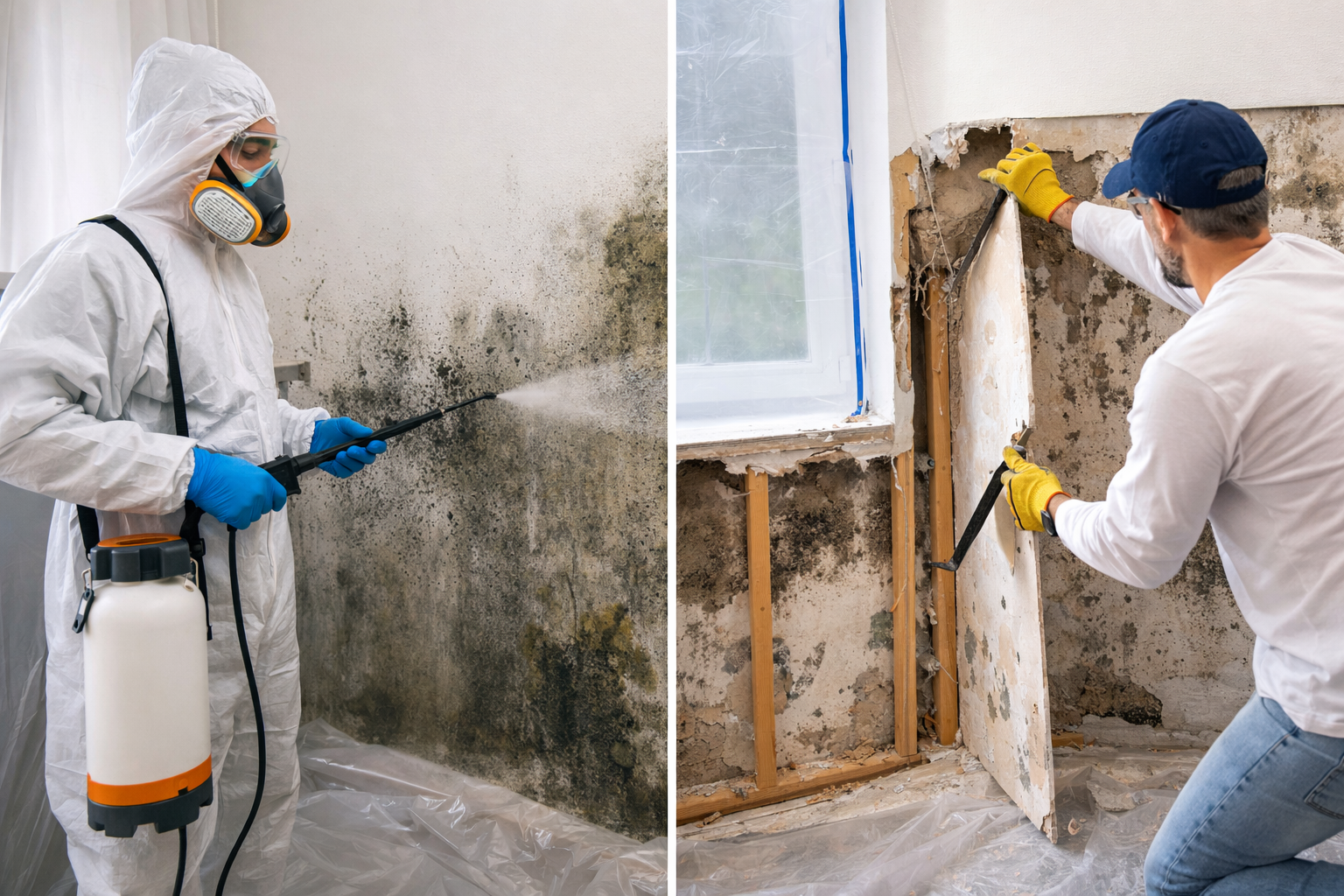
Large mold problems often require professional mold remediation.
Professional remediation experts remove mold safely and prevent it from returning.
Steps in Mold Remediation
Professional remediation typically includes:
- Mold inspection
- Identifying the water source
- Containment of the affected area
- Removal of contaminated materials
- Cleaning mold spores
- Improving indoor air quality
Special equipment such as air scrubbers and HEPA filters may be used to remove spores from the indoor air.
Why Professional Help Matters
Trying to remove large mold problems yourself can spread spores and worsen the infestation.
Professional teams understand how to safely handle mold and protect both the property and the health of occupants.
Preventing Mold in Rental Properties
Both tenants and landlords can take steps to reduce mold risk.
Tips for Tenants
- Use bathroom fans during showers
- Clean moisture from windows
- Run air conditioning in humid weather
- Avoid blocking vents
- Report leaks quickly
Tips for Landlords
- Maintain plumbing systems
- Repair roof leaks
- Inspect attics and basements
- Ensure proper ventilation
- Address water damage immediately
Good maintenance helps protect both the property and tenant health.
Renting a House With Mould: What You Should Know
Sometimes people discover mold after renting a house with mould already present.
If mold existed before move-in, the landlord may be responsible for fixing the problem.
Before signing a lease, renters should check for signs of moisture or mold.
Look for:
- Water stains on ceilings
- Musty smells
- Mold near windows
- Damp carpet
- Mold around bathroom fixtures
If you notice mold during a property viewing, ask the landlord about past repairs or water issues.

FAQs About Mold in Rental Property
What should I do if I find mold in a rental property?
You should report the mold to your landlord right away and document the problem. A professional inspection may be needed to identify the cause and determine proper remediation.
Can mold in rental property affect my health?
Yes. Mold can harm indoor air quality and may cause symptoms like coughing, allergies, and asthma flare-ups, according to the Centers for Disease Control and Prevention.
Is the landlord responsible for mold?
Often yes, especially if mold is caused by water damage, plumbing issues, roof leaks, or structural problems. This falls under the implied warranty of habitability.
Can mold lead to a lawsuit?
In severe cases, tenants may file a lawsuit if mold causes health problems and the landlord refuses to fix the issue. It is important to seek legal advice before taking action.
How do professionals remove mold?
Professional mold remediation includes inspection, containment, removing contaminated materials, cleaning spores, fixing moisture problems, and restoring healthy indoor air.