How to Fix Condensation on Windows (and Stop Mold Around Frames)
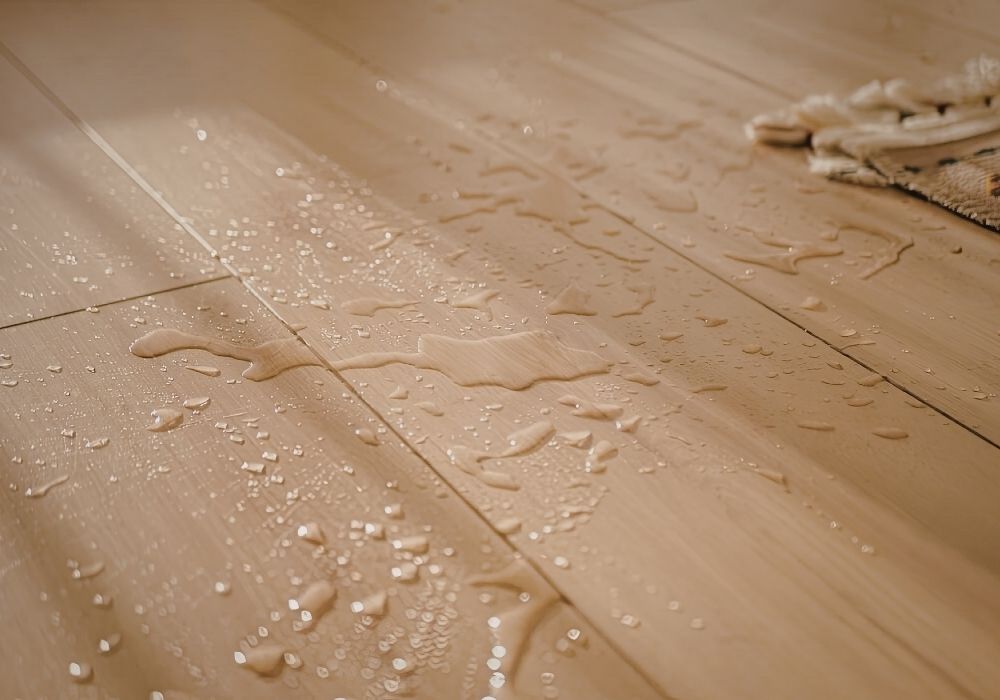
If you see mold around windows, you are not alone. This is a very common home problem, especially when condensation shows up on glass and drips onto the window sill or into window frames. When that damp water sits there day after day, it creates the perfect place for mold growth.
In many homes, window mold starts small—just a few dots. But if the moisture keeps coming, mold can spread into drywall, paint, caulk, and even wooden window frames. That can lead to mold damage, a musty odor, and sometimes mold health issues like irritation or asthma flare-ups. If you need help beyond basic cleaning, you can learn more about professional mold remediation here.
Why Condensation Causes Mold Around Windows
Condensation is basically warm air turning into water when it hits a cold surface.
Here’s what happens:
- Warm indoor air holds humidity (water vapor).
- Cold windows cool that air down.
- Water droplets form on the glass.
- That water runs down into the window sill and corners.
- If it doesn’t dry fast, mold starts growing.
Mold does not need a huge leak to start. It only needs:
- Dampness (moisture)
- A little dust or dirt (food source)
- Time
This is why you may see mold growing more in winter, early mornings, or in homes with poor ventilation and low airflow.
Common reasons your windows sweat
- Indoor humidity is too high
- Poor airflow near the windows (blocked vents, heavy curtains)
- Older single-pane windows that get very cold
- Bathrooms and kitchens adding moisture to the air
- A humidifier running too much
- Not using exhaust fans in the bathroom during a shower
- Cooking without a range hood in the kitchen
Where Window Mold Usually Shows Up
Window mold often hides in places you don’t notice right away:
- The bottom edge of the window
- Corners where water sits
- The window sill
- Inside window frames
- On caulk lines and weather stripping
- On paint near the window
- On wooden window frames where moisture soaks in
If the problem goes on for weeks or months, mold may spread to nearby drywall or behind trim. That’s when it becomes more than a simple wipe-down.
Is Mold Around Windows Dangerous to Your Health?
Many molds are common, but they can still cause problems. Mold releases tiny mold spores into the air. When people breathe them in, it may lead to:
- Sneezing or coughing
- Nose and throat irritation
- Itchy eyes
- Skin reactions
- Headaches
- Worsening asthma
- Other mold health issues in sensitive people
This does not mean every mold spot causes a serious disease, but mold in a home should be taken seriously—especially if someone has allergies, asthma, or a weak immune system.
What about stachybotrys chartarum (black mold)?
People often call any dark mold “black mold,” but one known species is stachybotrys chartarum (also written as stachybotrys). This mold is linked to long-term water problems, not just a little window sweat. It can be part of a bigger moisture issue, like a hidden leak, a wet wall, or past flood conditions.
Because some molds may be connected to toxicity concerns, the safest move is this:
- Treat any mold like it could affect health
- Focus on fixing the moisture source
- If mold keeps coming back or spreads, contact a professional for mold remediation
How to Tell If It’s Condensation or a Bigger Water Problem
Condensation mold usually follows a pattern:
- More mold in cold months
- Water droplets on the glass
- Dampness only near the window area
- Mold improves when you lower humidity
But sometimes, the water is not from condensation. Look for these signs:
- Stains above the window (could be a roof leak)
- Soft or bubbling drywall (possible leak inside the wall)
- Water marks that grow after rain (leak issue)
- Mold that appears even when humidity is low
- A strong, constant odor
If you suspect a leak, you may need to check:
- Window seals and flashing
- Exterior cracks
- Gutters and drainage
- Roof and wall areas above the window
How to Clean Mold Around Windows Safely
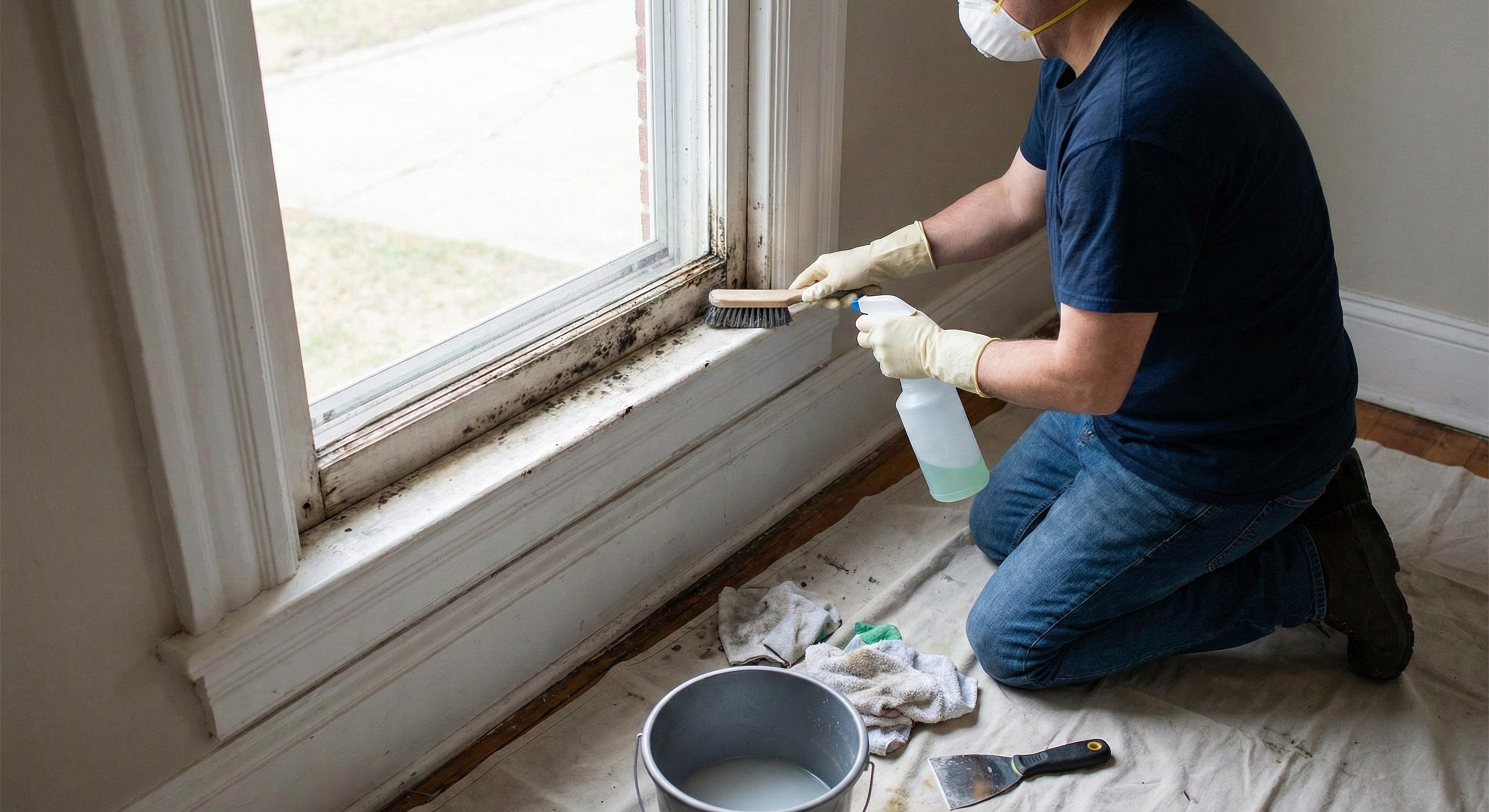
Small areas of mold can often be handled with careful cleaning. The key is protecting yourself and not spreading spores.
Step 1: Protect yourself first
Before you start cleaning:
- Open the window if weather allows for better airflow
- Wear a mask (a respirator is even better)
- Use gloves and eye protection
- Keep kids and pets away from the area
- Avoid dry scrubbing that launches mold spores into the air
If you have asthma or strong reactions, do not push through symptoms. Mold can trigger irritation and breathing issues.
Step 2: Choose the right cleaner
People often ask about bleach and vinegar.
- Vinegar can help on many non-porous surfaces. It may work well on sealed surfaces like glass and some painted trim.
- Bleach can whiten stains, but it is not always the best choice for porous materials like wood or drywall. Bleach fumes can also cause irritation, and mixing bleach with other cleaners can be dangerous.
A safer approach is to:
- Use soap and water first
- Use vinegar on hard surfaces if needed
- Dry the area completely afterward
Step 3: Clean the surface
- Wipe mold from glass, frame edges, and the window sill
- Use a damp cloth to trap spores instead of spreading them
- Rinse and wipe again
- Dry fully with towels or a fan
Step 4: Don’t forget the hidden spots
Mold loves tight corners:
- Under the bottom lip of the frame
- Behind curtains or blinds
- Under peeling paint
If the window frames are wood and feel soft, swollen, or crumbly, the mold may be deeper than the surface. That often needs professional help.
Step 5: Clean up the cleanup
- Bag dirty rags and throw them away
- Wash reusable cloths in hot water
- Consider using a HEPA vacuum around the window area after cleaning
- Wash hands and change clothes
Why Mold Keeps Coming Back (And How to Stop It)
Cleaning removes mold you can see, but stopping condensation prevents new growth.
Control indoor humidity
A good target is often around 30%–50% indoor humidity (many homes do best in this range). If your home is higher, mold growth becomes easier.
Helpful tools:
- A dehumidifier in damp rooms
- Running bathroom fans during and after each shower
- Using a kitchen range hood while cooking
- Fixing any standing water problems
Be careful with a humidifier. If it runs too high, it adds moisture and can lead to mold.
Improve ventilation and airflow
Better ventilation helps wet areas dry out faster.
- Keep furniture a few inches away from exterior walls
- Open blinds during the day to warm window surfaces
- Make sure vents are not blocked
- Use a small fan to increase airflow near problem windows
Reduce window condensation
- Keep indoor temperatures steady
- Use storm windows or double-pane windows if possible
- Check window seals and weather stripping
- Add insulation around window openings (when appropriate)
Fix drainage and exterior water issues
If water is coming from outside, indoor humidity control won’t solve it.
- Clean gutters
- Make sure downspouts direct water away from the home
- Improve yard drainage
- Repair exterior cracks and window flashing
- Check roof areas above the window (a roof problem can look like a window problem)
Mold Damage Around Windows: What Can Get Ruined
If mold stays long enough, it can cause real damage, such as:
- Warped or rotting wooden window frames
- Stained trim and walls
- Damp drywall that crumbles
- Paint that peels or bubbles
- A strong musty odor that won’t go away
If you notice soft materials, spreading stains, or mold that returns quickly, the issue may be behind the wall or deep in building materials.
When to Call Preferred Restoration for Mold Remediation
Some window mold is a small DIY job. But it’s time to call a professional when:
- The mold covers a larger area
- You keep cleaning it and it comes back
- You see mold on drywall or inside walls
- There is a past flood or ongoing water leak
- You suspect a serious species like stachybotrys chartarum
- People in the home have worsening health symptoms like asthma
Professional mold remediation is about more than cleaning. It focuses on:
- Finding the moisture source
- Containing spores so they don’t spread
- Removing damaged materials safely
- Drying and preventing new growth
This matters because mold behavior can change based on conditions. When moisture returns, mold returns.
Simple Daily Habits That Help Prevent Window Mold
Small steps can make a big difference:
- Wipe condensation off windows in the morning
- Run bathroom fans during showers and for 20 minutes after
- Use kitchen ventilation while cooking
- Keep indoor humidity controlled with a dehumidifier
- Let sunlight hit windows when possible
- Check window corners weekly for early mold growth
FAQs About Mold Around Windows Condensation
What causes mold around windows when there is no leak?
Most of the time, it’s from condensation. Warm indoor air hits cold glass, turns into water, and dampens the window sill and window frames. High humidity and poor ventilation make it worse.
Is vinegar or bleach better to clean mold around windows?
Vinegar is often a good option for hard surfaces, and it has fewer harsh fumes. Bleach may whiten stains but is not always effective on porous materials and can cause irritation. No matter what you use, dry the area fully to stop mold growth.
Can mold around windows make asthma worse?
Yes. Mold can release mold spores into the air that may trigger asthma symptoms and other mold health issues, especially in sensitive people. If symptoms increase, it’s smart to address the moisture fast and consider a respirator during cleaning.
What is stachybotrys chartarum and should I worry?
Stachybotrys chartarum is a type of mold linked to long-term water problems. It’s not usually caused by light window sweating alone. If you have ongoing water intrusion, wet drywall, or heavy growth, professional inspection and mold remediation is the safest route.
How do I stop condensation on my windows for good?
Lower indoor humidity, improve airflow, and increase ventilation. Use a dehumidifier, run bathroom fans after every shower, avoid overusing a humidifier, and make sure your home’s drainage and window seals are in good shape.
The Bottom Line
Mold around windows from condensation is common, but it’s not something to ignore. You can often clean mold on small areas, but the real fix is controlling moisture and improving airflow and ventilation. If mold keeps returning, spreads into drywall or wood, or you suspect bigger water issues, Preferred Restoration can help with safe, thorough mold remediation so your home stays clean, dry, and healthy.