Is Water Damage Restoration Worth It? Costs & Value
If your home has a leak, flood, or wet ceiling, you may ask: is water damage restoration worth it?
Most of the time, yes—because water does not just “dry on its own.” It can soak into drywall, wood, floors, and insulation. Hidden moisture can cause mold, bad smells, and expensive repairs later.
Water damage restoration is the process of:
- Finding the water source (like a burst pipe or roof leak)
- Removing water (water extraction)
- Drying the space (drying and dehumidification)
- Cleaning and sanitizing (especially after dirty water)
- Fixing damaged building materials (repairs and rebuild)
This article will help you decide if hiring a professional restoration company is the smart move for your situation.
What “Water Damage Restoration” Really Means
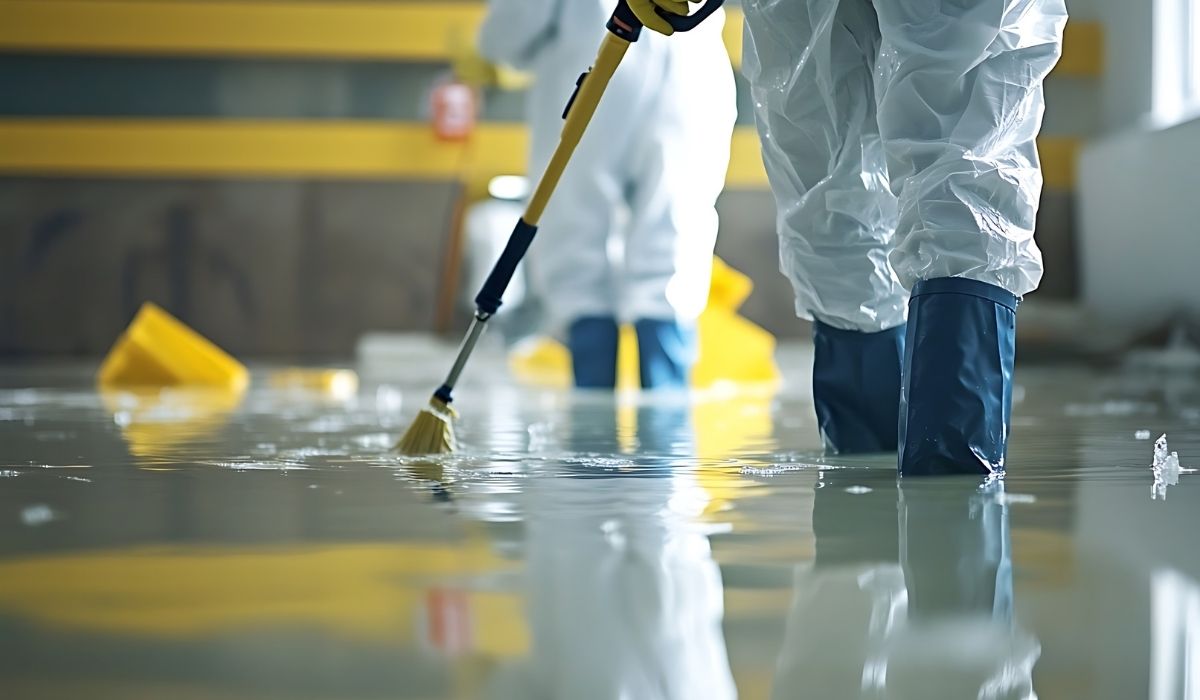
Water damage restoration is not just mopping and running fans.
A professional water damage restoration team usually uses:
- Moisture meters and sometimes thermal imaging to find hidden water
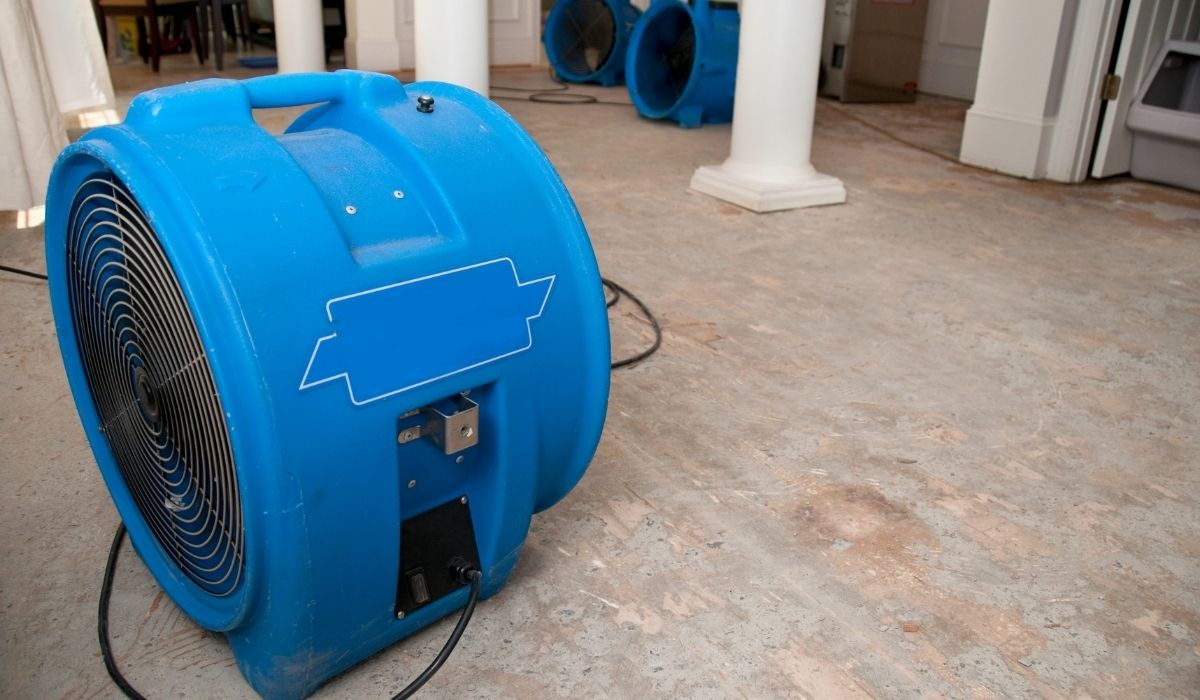
- Industrial air movers (high-power fans)
- Dehumidifiers to pull moisture out of the air and materials
- Containment to protect clean areas
- Antimicrobial treatments to reduce microbial growth when needed
- Drying logs and documentation for insurance claims
Many reputable companies follow IICRC (Institute of Inspection, Cleaning and Restoration Certification) standards and best practices. This helps make the drying process safer and more complete.
Why Water Damage Is Often Worse Than It Looks
Water spreads fast. It can travel:
- Under baseboards and flooring
- Behind walls
- Into cabinets and subfloors
- Down to lower levels (like a basement or crawl space)
Hidden Moisture Can Cause Hidden Damage
Even if the surface looks dry, moisture can stay trapped inside:
- Drywall
- Wood framing
- Insulation
- Carpet padding
- Laminate flooring seams
That trapped moisture can lead to:
- Swelling and warping
- Peeling paint
- Soft spots in floors
- Rust on nails and metal
- Musty odors
- Mold growth
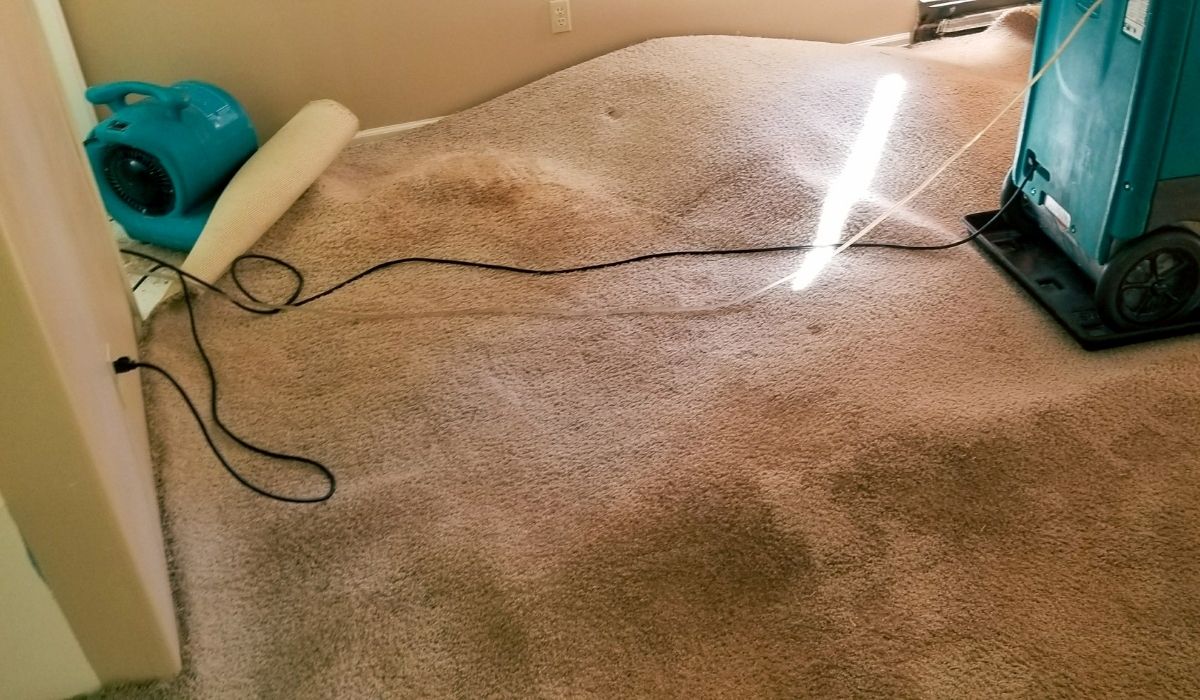
When Water Damage Restoration Is Worth It
Water damage restoration is usually worth it when any of these are true:
The Water Sat for More Than 24–48 Hours
The longer water sits, the higher the risk of mold and deeper material damage.
The Water Reached Walls, Floors, or Cabinets
If water soaked into building materials, drying needs more than a household fan.
You See Stains, Bubbling Paint, or Sagging Drywall
These are signs water is inside the wall or ceiling. The material may need removal and professional drying.
The Leak Source Is Unknown or Still Active
A restoration team can help locate the source and stop the spread (often with a plumber involved for pipe repairs).
The Water Is Dirty or Unsafe
If the water came from:
- Sewage backup
- Toilet overflow with waste
- Dishwasher/washing machine overflow with dirty water
- Storm flooding
…it may require special cleaning, PPE, and proper disposal.
You Plan to File an Insurance Claim
Insurance companies often want proof of damage, photos, drying records, and details of mitigation work.
When It Might NOT Be Worth It
Sometimes you can handle small water issues yourself.
Water damage restoration may not be worth it if:
- It is a very small spill (like a small sink overflow)
- You cleaned it up immediately
- No water soaked into drywall, flooring, or cabinets
- The area dries fast and has no musty smell after drying
- You confirm there is no hidden moisture (this is the hard part)
Even then, it’s smart to watch for changes over the next 1–2 weeks:
- New stains
- Warped floors
- Odors
- Allergy-like symptoms when near the area
- Paint bubbling
What You Get When You Hire a Professional Restoration Company
You are not just paying for equipment. You are paying for skill and a plan.
Faster, Deeper Drying
Professional drying equipment can dry materials much faster than box fans. Faster drying can mean less damage and fewer rebuild costs.
Less Chance of Mold Problems
Mold does not always show up right away. Proper drying and control of humidity lowers the risk.
Better Protection for Your Home
Restoration teams often use:
- Plastic sheeting to isolate wet areas
- HEPA filtration (when needed)
- Careful removal of damaged materials to protect clean parts of the home
Documentation That Helps With Insurance
A good company documents:
- Moisture readings
- Daily drying progress
- Photos and notes
This can help support your claim and show that you acted quickly (mitigation).
Water Damage Restoration vs. Repairs: What’s the Difference?
This is a big reason restoration can be worth it.
Restoration (mitigation) focuses on drying and preventing more damage.
Repairs (rebuild) focus on replacing materials like:
- Drywall
- Baseboards
- Flooring
- Cabinets
- Insulation
If you skip restoration and only do repairs, you might cover up wet materials. That can cause:
- Mold behind new drywall
- Flooring failure later
- Repeat staining
- Ongoing odor
A common best practice is: mitigation first, repairs second.
What Does Water Damage Restoration Cost?
Costs depend on:
- Size of the wet area (one room vs. whole home)
- Water category (clean vs. dirty water)
- How long the water sat
- How much material needs removal
- Equipment days needed (air movers, dehumidifiers)
- Labor and containment needs
Why “Cheaper” Can Become Expensive
A cheap, rushed job may:
- Miss wet spots
- Leave moisture in walls
- Skip proper cleaning
- Lead to mold and bigger repairs later
A quality job focuses on dry, clean, and documented.
Is Water Damage Restoration Worth It If Insurance Might Cover It?
Often, yes—especially if you act quickly.
Insurance May Cover Sudden and Accidental Damage
Examples that are often covered (depending on your policy):
- Burst pipe
- Water heater leak
- Washing machine hose failure
- Sudden plumbing break
Insurance May NOT Cover Everything
Common exclusions can include:
- Long-term leaks (slow drip over weeks/months)
- Poor maintenance
- Some flooding (flood insurance may be required)
Why Quick Mitigation Matters
Many policies require you to prevent further damage. Fast water extraction and drying can help show you did your part.
Tip: Take photos and videos right away. Save receipts. Keep notes of dates and times.
DIY Drying vs. Professional Drying
Here’s a simple way to think about it.
DIY Might Work When
- The water is clean
- The area is small
- You catch it immediately
- You can fully dry the space quickly
- No water reached walls or floors
Professional Help Is Safer When
- Water went into walls, ceilings, floors, or cabinets
- You smell mustiness
- The water is dirty (sewage, storm, or “black water”)
- The affected area is large
- You have renters, tenants, or a business (liability matters)
- You want insurance documentation
What Happens If You Don’t Restore Water Damage?
Skipping restoration can lead to real problems, like:
- Mold growth behind walls or under floors
- Rotting wood (structural damage)
- Electrical risks if water reached outlets or wiring
- Higher repair costs later
- Lower home value (and tougher home inspections when selling)
- Ongoing odors and poor indoor air quality
If you’re selling a home later, water damage history can come up during inspection—especially if there are stains, warped floors, or visible repairs.
How to Choose the Right Water Damage Restoration Company
Not all companies work the same way. Look for signs of quality.
What to Look For
- Trained technicians (often IICRC certified)
- Clear plan and timeline
- Moisture testing (not guesswork)
- Written documentation and photos
- Safe cleaning steps for dirty water
- Honest answers about what needs removal vs. drying in place
- Good reviews and local reputation
Questions to Ask
- How will you check for hidden moisture?
- What equipment will you use?
- How many days do you expect drying to take?
- Will you provide drying logs for insurance?
- Do you handle both mitigation and repairs?
How This Supports Your Water Damage Restoration Plan
If you’re dealing with water damage now, the best next step is a professional assessment. A good restoration team can tell you if the job is small enough for DIY—or if there’s hidden moisture that needs real drying.
If you’re in need of help, our team at Preferred Restoration provides water extraction, structural drying, dehumidification, cleanup, and rebuild support. For a full overview of the process, visit our Water Damage Restoration pillar page and learn what to do step-by-step.
FAQs
Is water damage restoration worth it for a small leak?
Sometimes. If the leak is truly small, cleaned fast, and no water soaked into walls or floors, DIY drying may be enough. If you see stains, warping, or odor, professional drying is usually worth it.
How fast should water damage be dried?
As soon as possible. Many problems grow after 24–48 hours, including mold risk and deeper material damage. Fast water extraction and dehumidification can save money.
Will a fan and heater dry water damage?
They can help for small surface moisture, but they often cannot dry water trapped behind drywall or under floors. Professional equipment is designed for deep structural drying.
Is water damage restoration covered by homeowners insurance?
It depends on your policy and the cause. Sudden, accidental water damage is often covered, while long-term leaks and some flooding may not be. Documentation and quick mitigation can help with claims.
What are signs the damage is bigger than it looks?
Musty smell, bubbling paint, sagging drywall, warped floors, wet baseboards, stains that spread, or repeated dampness. These often point to hidden moisture.