Is Mold Always Dangerous? What Homeowners Should Know
Mold can look small, but it can become a big problem fast. If you see fuzzy spots on a wall, smell a musty odor, or notice allergy-like symptoms at home, you may be dealing with indoor mold. The good news is you can take clear steps to fix it. If you need mold removal in Orange County, Preferred Restoration can help you find the source, stop the moisture, and safely remove the mold.
Is mold dangerous for your health?
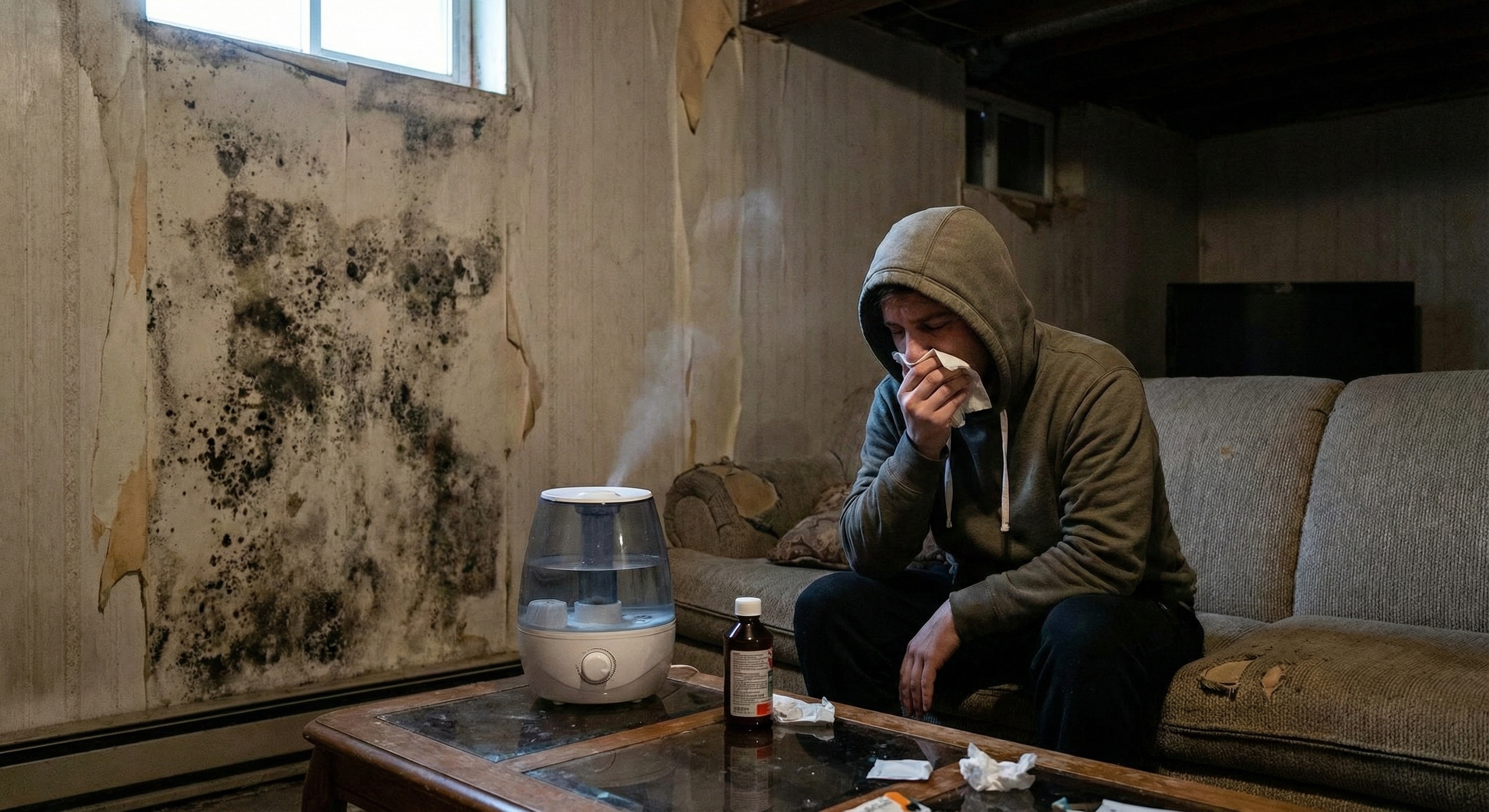
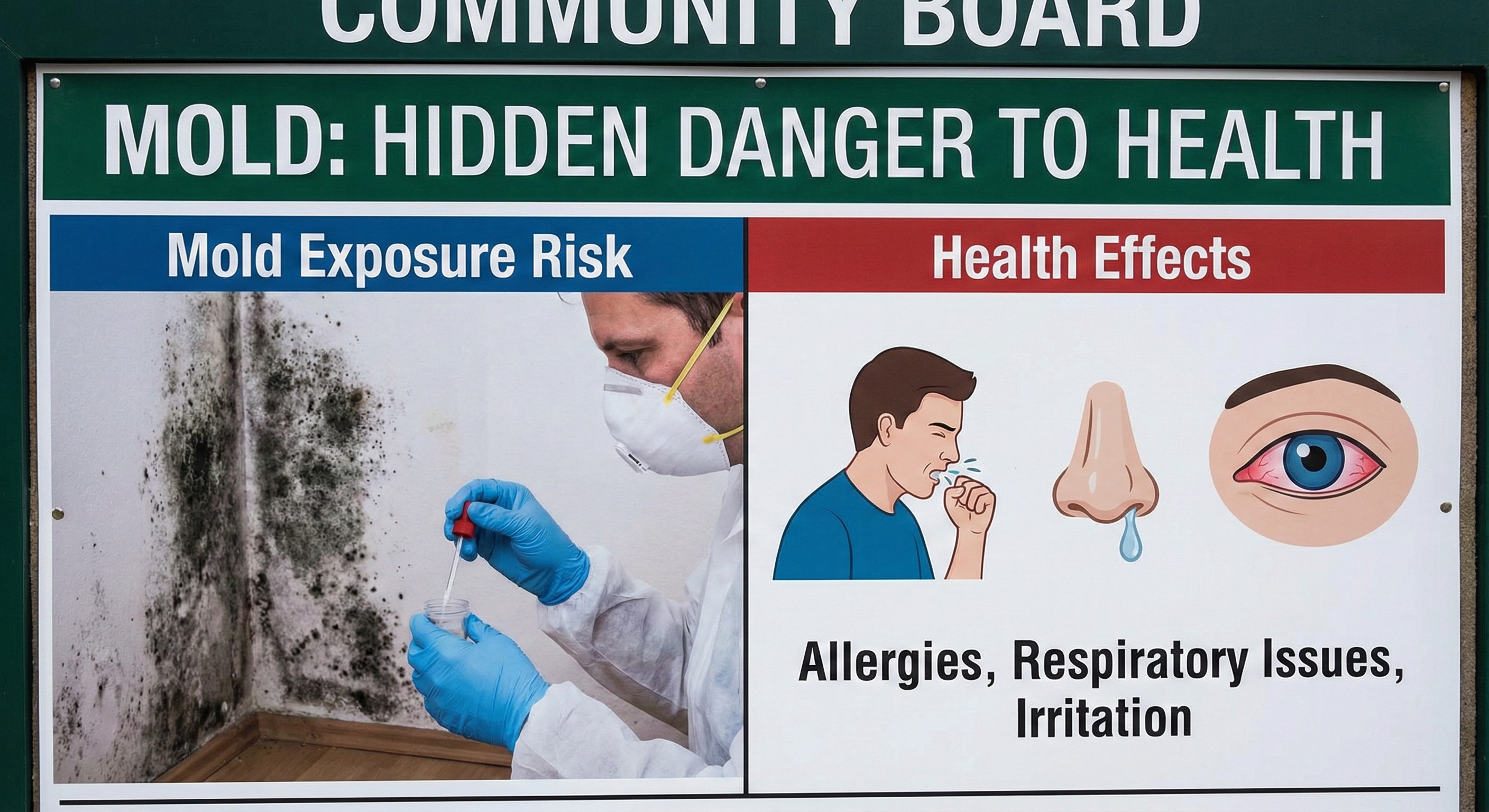
Yes, mold can be dangerous—especially when it grows indoors and people breathe it in over time. Mold makes tiny particles called spores that float in the air. When spores land on a damp spot, mold can grow and spread. Many people have allergic reactions to mold, and mold can also irritate the eyes, skin, nose, throat, and lungs.
Some people are more sensitive than others. If someone has asthma, allergies, or a weak immune system, mold exposure can be a bigger risk.
What are the most common symptoms of mold exposure?
Mold symptoms can look like a cold or seasonal allergies. Some people feel fine, while others react quickly.
Common signs include:
- Sneezing, runny nose, or stuffy nose
- Itchy or watery eyes
- Coughing, wheezing, or chest tightness
- Sore throat or throat irritation
- Skin rash or itchy skin
- Headaches (for some people), especially with strong musty smells
Allergic reactions to mold are common, and breathing in mold can trigger asthma symptoms in sensitive people.
Can mold make asthma worse?
Yes. Damp buildings and mold are linked with developing or worsening asthma, and people with asthma are often told to avoid buildings with visible or smellable mold.
If someone in your home has asthma and you suspect mold, it’s smart to treat it as urgent. Mold can keep triggering symptoms until the moisture problem is fixed and the mold is removed.
Is “black mold” more dangerous than other mold?
People often call certain dark molds “black mold,” and it can be scary to see. Here’s the simple truth: any indoor mold growth is a problem because it means moisture is present, and spores may be in the air.
Some molds can produce substances called mycotoxins, but you don’t need to guess the type to take action. The key is to:
- stop the moisture, and
- remove the mold safely.
Why does mold grow inside homes?
Mold needs two main things:
- Moisture
- A surface to grow on (like drywall, wood, carpet, insulation, or dust)
Homes often get mold after:
- Plumbing leaks under sinks or behind walls
- Roof leaks
- Flooding or water damage
- High humidity
- Poor ventilation in bathrooms or kitchens
- Condensation on windows or cold walls
Indoor dampness and mold often start with water leaks, and the longer it stays wet, the more mold can grow.
Where does mold usually hide?
Mold isn’t always obvious. It can hide where it stays dark, warm, and damp.
Common hiding spots include:
- Behind drywall or baseboards after a leak
- Under sinks and around plumbing
- In bathrooms near tubs, showers, and toilets
- In basements, crawl spaces, and attics
- Under carpet padding after water damage
- Around windows (condensation areas)
- Inside HVAC areas where moisture collects
A musty smell is a big clue. If your home smells “earthy” or “wet,” mold could be growing where you can’t see it.
How can you tell if mold is a real problem or just a little mildew?
Mildew is often a thin surface growth (like on shower grout). But if the area keeps coming back, spreads, or appears after water damage, it may be a bigger mold issue.
Signs it’s more serious:
- The stain keeps returning after cleaning
- Paint is bubbling or walls feel soft
- You see warping, swelling, or crumbling drywall
- The smell is strong and doesn’t go away
- Someone in the home keeps coughing or wheezing indoors
If you’ve had a leak or flood, mold can start quickly—sometimes within 24–48 hours—because materials stay wet.
Should you clean mold yourself or call a professional?
It depends on the size and the cause.
When is DIY cleaning sometimes okay?
Small spots on hard surfaces (like tile) might be cleaned if:
- The area is small
- The material is not porous
- You can fix the moisture source right away
- No one in the home is high-risk (asthma, immune issues)
Even then, you should wear gloves, eye protection, and a well-fitting mask, and make sure the area is ventilated.
When should you call Preferred Restoration?
Professional help is usually the safer choice when:
- Mold covers a large area
- Mold is on porous materials (drywall, insulation, carpet, ceiling tiles)
- You had flooding or major water damage
- You smell mold but can’t find it
- Anyone in the home has asthma, allergies, or immune problems
- The mold is inside walls, attics, basements, or crawl spaces
Professionals don’t just “wipe it off.” They find the moisture source, contain the area, remove damaged materials safely, and help prevent regrowth.
Why is mold in damp buildings treated seriously?
People in damp buildings report more health problems, including respiratory symptoms, allergies, and asthma. This is one reason why indoor mold should be handled quickly and carefully.
That’s why the real goal is not just cleaning what you see—it’s fixing the dampness and removing mold the right way.
What happens if you ignore mold?
Ignoring mold can lead to:
- Mold spreading into more rooms
- More damage to drywall, wood, and insulation
- Stronger odors that are hard to remove
- Higher repair costs later
- Ongoing allergy or breathing symptoms for people in the home
Mold is also a sign that water is getting into places it should not be. That moisture can cause rot and weaken parts of your home over time.
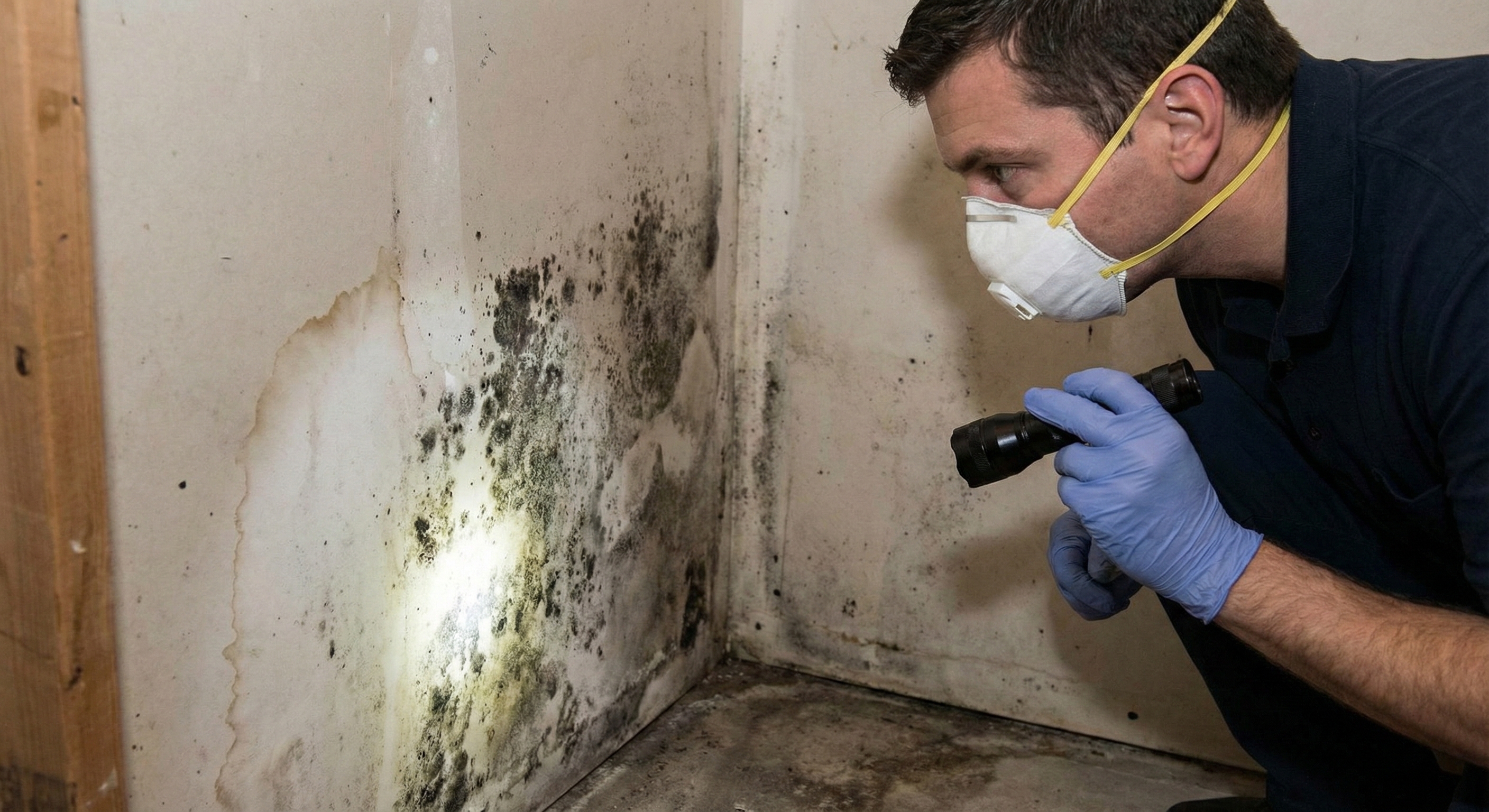
What is the safest way to get rid of mold?
A safe mold plan usually looks like this:
What is step 1 for safe mold removal?
Stop the moisture. If you don’t fix the leak, humidity, or condensation, mold will likely come back.
What is step 2 for safe mold removal?
Contain and remove the mold safely. This often means:
- Sealing off the area so spores don’t spread
- Using proper protective gear
- Removing contaminated porous materials (like drywall or carpet)
- Cleaning remaining surfaces the right way
What is step 3 for safe mold removal?
Dry the area completely and prevent regrowth. Drying is key. Professionals may use dehumidifiers and air movers, then confirm that moisture levels are back to normal.
How can you prevent mold from coming back?
Mold prevention is really moisture prevention. Here are practical steps that help:
- Fix leaks fast (roof, plumbing, windows)
- Run bathroom fans during and after showers
- Use kitchen ventilation when cooking
- Keep indoor humidity under control (often 30–50%)
- Dry wet areas quickly after spills or water intrusion
- Make sure gutters and drainage move water away from the home
- Watch for condensation on windows and cold walls
If you’ve had water damage, don’t assume it “dried on its own.” Moisture can stay trapped inside drywall, under floors, and in insulation.
When is mold an emergency?
Mold is more urgent when:
- A child, older adult, or someone with asthma is having breathing trouble
- You had a sewage backup or flooding
- Mold is spreading fast after a leak
- You smell mold strongly in multiple rooms
- You see mold in HVAC areas (air can spread it)
If someone is struggling to breathe, seek medical care right away.
Why choose Preferred Restoration for mold removal?
Mold problems are rarely just “surface problems.” Preferred Restoration focuses on the full issue:
- Finding and fixing the moisture source
- Helping protect your home from cross-contamination
- Removing damaged materials safely
- Drying the structure correctly
- Helping you prevent mold from returning
If you’re seeing mold, smelling musty odors, or dealing with water damage, getting a professional assessment can save time, stress, and repair costs.
FAQs
Is mold dangerous for kids?
Kids can be more sensitive to air quality. Damp buildings and mold are linked with respiratory symptoms and asthma problems, so it’s smart to address mold quickly—especially in bedrooms and living areas.
Can mold make you sick even if you are not allergic?
Yes. Mold can irritate the eyes, skin, nose, throat, and lungs in both allergic and non-allergic people.
Should I leave my house if I find mold?
Not always—but if anyone has asthma, immune issues, or strong symptoms, it may be safer to avoid the affected area until it’s cleaned and dried.
Does bleach kill mold?
Bleach may remove staining on some hard surfaces, but it does not fix the moisture problem. If mold is on porous materials like drywall or wood, it often needs professional removal and proper drying.
What is the best first step if I think I have mold?
Look for the moisture source (leak, condensation, humidity), limit exposure, and schedule an inspection if you’re unsure. If you want a professional plan, Preferred Restoration can help.