How Quickly Can Mold Make You Sick?
Mold is a type of fungus that grows where there is moisture. After a leak, flood, or wet building materials, mold can start growing and spreading. Then, tiny mold spores can float into the air and get into your nose, throat, and lungs.
So, how fast can it make you feel sick? For some people, symptoms can start right away. For others, it can take hours or days. Some people may not notice symptoms at all.
This is why mold and water damage restoration often go together: when you stop water fast and dry the home the right way, you lower the chance of mold growth and health problems.

Why Mold From Water Damage Is So Common
Mold needs two main things to grow:
- Moisture (leaks, humidity, flooding, wet drywall)
- A food source (wood, paper backing on drywall, carpet, dust)
After water damage, moisture can hide behind walls, under floors, and inside cabinets. Even if a room “looks dry,” the inside of materials may still be wet. When that happens, mold can grow in hidden places and spread through the air.
That’s why professional water damage restoration teams use tools to find and dry moisture you can’t see, like moisture meters, commercial dehumidifiers, and air movers.
The Short Answer: Mold Can Affect You Fast—or Later
There isn’t one exact clock for everyone. The timing depends on:
- Your body (allergies, asthma, immune system)
- How much mold is in the air
- How long you’re around it
- The size of the damp or moldy area
- Ventilation (stuffy rooms can feel worse)
Some people react quickly because their body is more sensitive. Others may only notice symptoms after repeated exposure.
What “Feeling Sick From Mold” Usually Means
Many people think “mold sickness” always means something severe. Most of the time, mold-related symptoms feel like allergies or irritation.
Common mold exposure symptoms
- Sneezing
- Runny or stuffy nose
- Itchy or watery eyes
- Coughing
- Sore throat
- Skin rash
- Wheezing (especially in people with asthma)
Mold can also make asthma symptoms worse for people who already have asthma.
Who Can Get Symptoms the Fastest?
Some people are more likely to feel symptoms quickly and strongly.
People who may react more quickly
- People with mold allergies
- People with asthma
- Babies and young children
- Older adults
- People with weaker immune systems or certain health conditions
If you’re in one of these groups, even a small amount of mold in the air can feel like a big problem.
How Fast Can Symptoms Start?
Here are common timelines people experience. (These are general patterns, not a medical diagnosis.)
Right away (minutes to 1–2 hours)
This can happen if you’re sensitive and you walk into a space with a lot of spores or a strong musty smell.
Possible symptoms:
- Sneezing, itchy eyes
- Tight chest or wheezing (asthma)
- Coughing or throat irritation
Later the same day (a few hours)
Symptoms can build over time, especially in a damp home with poor airflow.
Possible symptoms:
- Head feels “stuffy”
- Nose congestion
- Coughing that won’t quit
- Scratchy throat
Delayed (next day to several days)
Some people don’t connect symptoms to mold because the reaction isn’t instant.
Possible symptoms:
- Ongoing congestion
- Worsening asthma
- Skin irritation
- Feeling “off” when at home and better when away
Does “Black Mold” Make You Sick Faster?
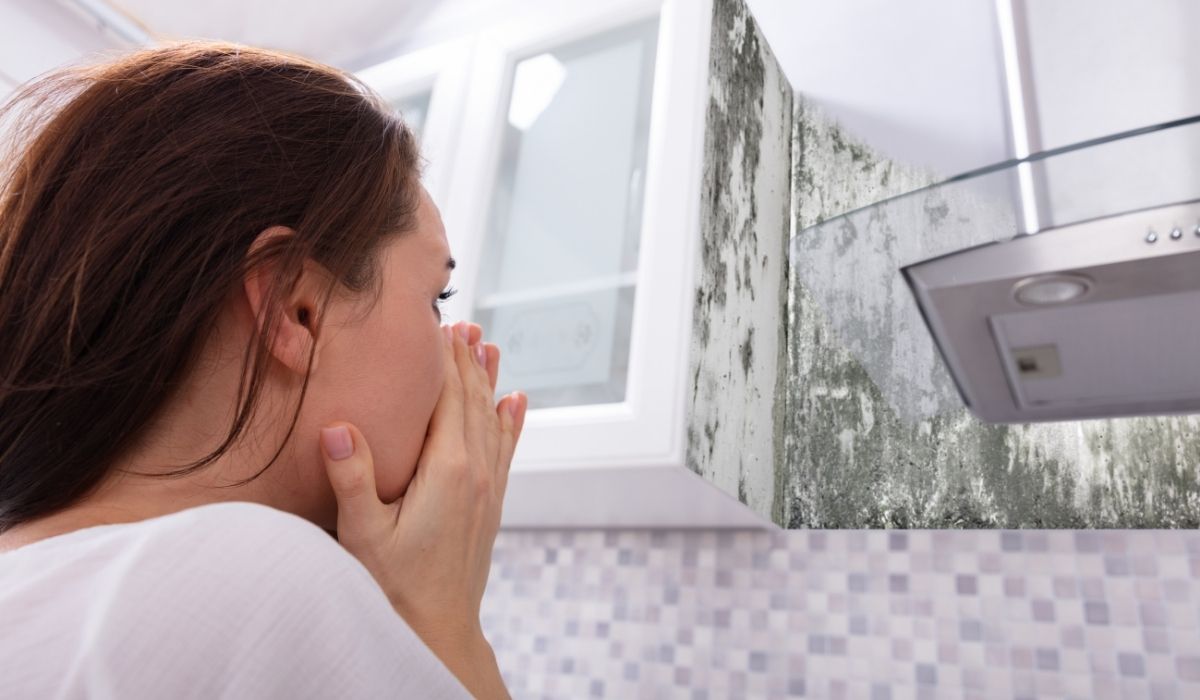
People often worry about “black mold.” The truth is:
- Many types of mold can cause symptoms.
- Health effects often depend more on how much mold is present and how long you breathe it in than the color.
- If you see mold or smell mold, it should be handled safely.
Instead of focusing only on the type, focus on the basics:
- Fix the water source
- Dry the area fully
- Remove contaminated materials when needed
- Clean the air and surfaces the right way
Signs Mold Might Be Affecting Your Home (and Your Body)
You don’t always see mold. Sometimes it’s behind drywall, under flooring, or inside HVAC areas.
Home clues
- Musty or earthy smell
- Past leaks (roof, plumbing, windows)
- Bubbling paint or warped baseboards
- Damp carpet or padding
- Condensation on windows
- High indoor humidity
Body clues
- Symptoms get worse at home and better outside
- Coughing or congestion that lingers
- Asthma flare-ups indoors
- Frequent sneezing or itchy eyes in one room
What To Do If You Think Mold Is Making You Sick
If you suspect mold exposure, take practical steps right away.
Step 1: Get fresh air
If symptoms are strong, step outside or go to a different area. Fresh air can help, especially if you feel wheezy.
Step 2: Find and stop the moisture
Mold keeps coming back if the water is still there. Common sources include:
- Pipe leaks
- Roof leaks
- Appliance leaks (dishwasher, washing machine)
- Flooding or wet crawl spaces
Step 3: Dry fast and dry deep
Use fans and a dehumidifier if it’s safe to do so. But remember: hidden moisture behind walls may need professional drying equipment.
Step 4: Don’t cover it up
Painting over mold or spraying a “quick fix” can hide the problem without solving it. Mold can keep growing inside damp materials.
Step 5: Call a professional when needed
If the mold covers a larger area, keeps coming back, or came after major water damage, a professional mold remediation and water damage restoration team can help contain the mess, remove damaged materials, and dry the structure correctly.
When To Call a Water Damage Restoration Company
If mold started because of water damage, it’s smart to involve a restoration pro early—especially when:
- The water damage happened in the last few days
- Drywall, insulation, or carpet got wet
- The smell is strong
- Multiple rooms are affected
- You see staining on ceilings or walls
- You can’t find the water source
A complete restoration plan may include:
- Water extraction
- Structural drying and dehumidification
- Containment and air filtration if mold is present
- Removal of damaged materials
- Cleaning and treatment steps when appropriate
- Repairs and rebuild after drying is verified
This supports your water damage restoration content because mold is one of the biggest “second damages” after leaks and floods.
When To Talk to a Doctor
This article is educational, not medical advice. But you should consider medical care if you have:
- Trouble breathing, chest tightness, or severe wheezing
- Symptoms that keep getting worse
- Asthma that is harder to control
- Fever or feeling seriously ill
- A weakened immune system and new respiratory symptoms
If you think your symptoms are serious, get medical help right away.
How To Prevent Mold After a Leak or Flood
Prevention is often simpler (and cheaper) than remediation.
Quick prevention checklist
- Stop the water source fast
- Dry wet areas as soon as possible
- Keep indoor humidity low (a dehumidifier can help)
- Use bathroom and kitchen exhaust fans
- Watch for musty smells after water damage
- Don’t ignore slow leaks under sinks or behind toilets
- Replace soaked porous items when needed (like padding or drywall)

FAQs
How long does it take to feel sick after mold exposure?
Some people feel symptoms within minutes or hours, while others may not notice issues until later that day or days later. Timing depends on sensitivity, exposure level, and ventilation.
Can mold make you sick in one day?
Yes. If you’re sensitive (especially with allergies or asthma) and you breathe in a lot of mold spores, symptoms like sneezing, coughing, itchy eyes, or wheezing can start the same day.
What are the first signs mold is affecting you?
Early signs often include stuffy nose, sneezing, itchy eyes, coughing, sore throat, or skin irritation. Asthma symptoms may also flare up indoors.
Is it safe to sleep in a house with mold?
If you have strong musty smells, visible mold, or breathing symptoms that get worse indoors, it may not be safe—especially for kids, older adults, and people with asthma. Consider professional help.
Will mold go away if you dry the room?
Drying helps, but mold may still remain on or inside materials—especially porous items like drywall, insulation, and carpet. You must fix the moisture source and properly clean or remove affected materials.