Can Mold Ever Be Fully Removed? The Real Answer
Yes and no—and that sounds confusing on purpose.
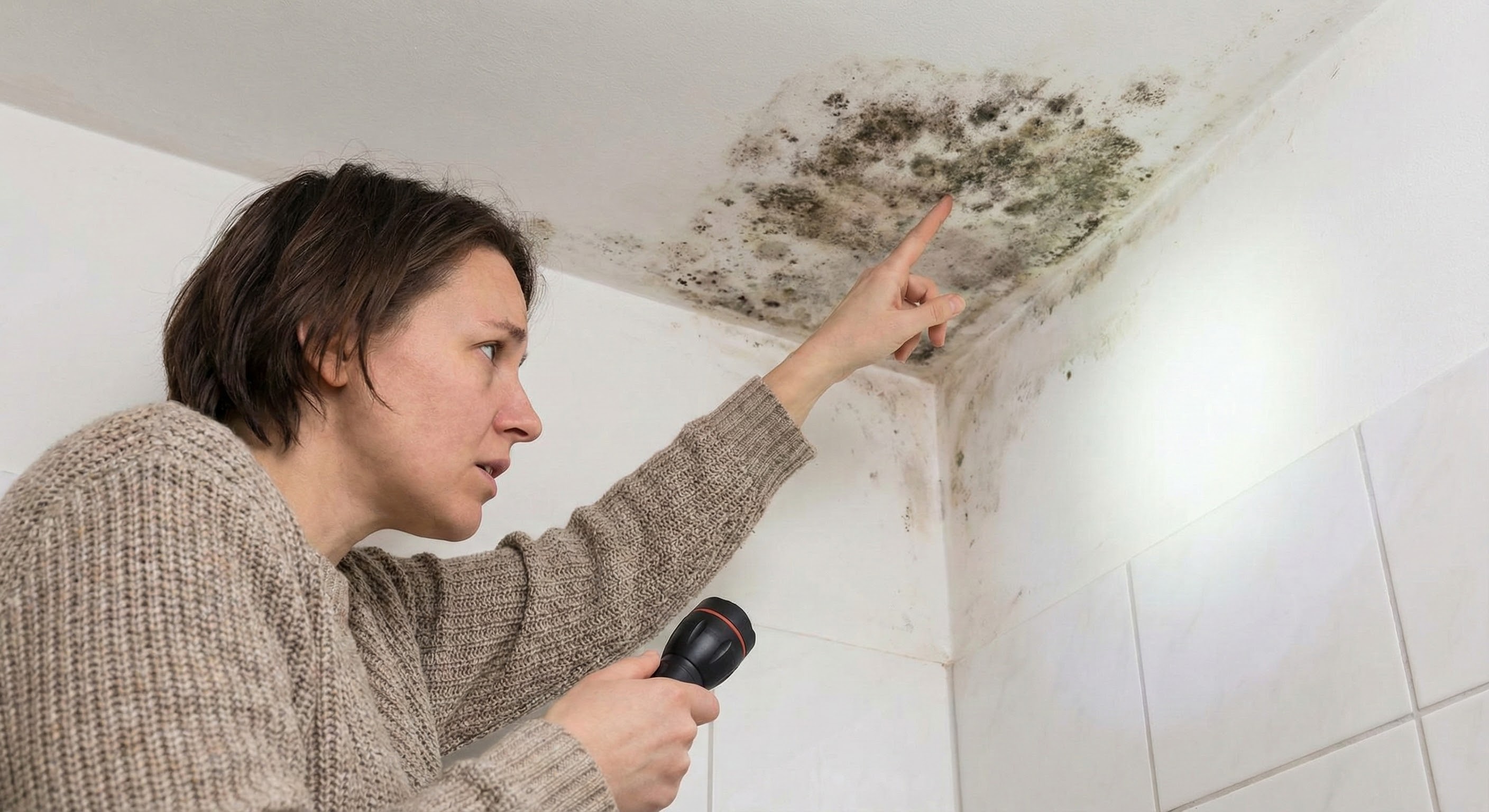
You can fully remove visible mold growth from your home when the cleanup is done the right way and the wet problem is fixed. But you can’t remove every single mold spore from the air forever because mold spores exist naturally all around us, inside and outside.
So the real goal is this:
- Remove the mold growth
- Remove or clean contaminated materials
- Dry the home completely
- Fix the moisture source
- Stop mold from returning
That’s what a good mold remediation and water damage restoration plan is designed to do.
What “Fully Removed” Really Means
When people ask, “Can mold ever be fully removed?” they usually mean:
- “Can I get rid of mold so it’s not a problem anymore?”
- “Can I make my home safe again?”
- “Will the mold come back?”
A strong answer is: You can get mold back to normal, safe indoor levels by removing mold growth and controlling moisture.
Mold Spores Are Normal
Mold spores are tiny “seeds” that float through the air. They can come in through:
- Open doors and windows
- Shoes and clothing
- Pets
- HVAC systems
- New boxes and furniture
Spores do not become a problem unless they land on something wet and stay wet long enough to grow.
Why Mold Comes Back After “Removal”
If mold comes back, it usually means the moisture problem was never solved.
Common Reasons Mold Returns
- A hidden leak behind drywall
- Poor bathroom ventilation
- High indoor humidity (often over 50–60%)
- Wet insulation left in place
- Flood water that soaked flooring or baseboards
- A crawl space or attic with trapped moisture
Mold removal without drying is like mopping with the faucet still running. It may look better for a while, but the problem isn’t gone.
How Mold Starts After Water Damage
Mold loves three things:
- Moisture
- Warmth
- Something to eat (wood, drywall paper, dust, carpet backing)
After a pipe leak, roof leak, or flood, mold can begin growing fast—sometimes in 24–48 hours if the area stays wet.
Places Mold Often Hides
- Behind drywall
- Under carpet and padding
- Under vinyl flooring
- Inside wall cavities
- Around windows
- In basements and crawl spaces
- In attics near roof leaks
- Around HVAC vents and ductwork
This is why mold problems often connect directly to water damage restoration. If the water isn’t dried correctly, mold can follow.
Mold Removal vs. Mold Remediation
People use these words like they mean the same thing, but they don’t always.
Mold Removal
This usually means:
- Scrubbing or treating visible mold spots
That can help in small, simple cases. But it often misses hidden mold and leftover contamination.
Mold Remediation
This is the safer, bigger plan:
- Find the moisture source
- Stop the water
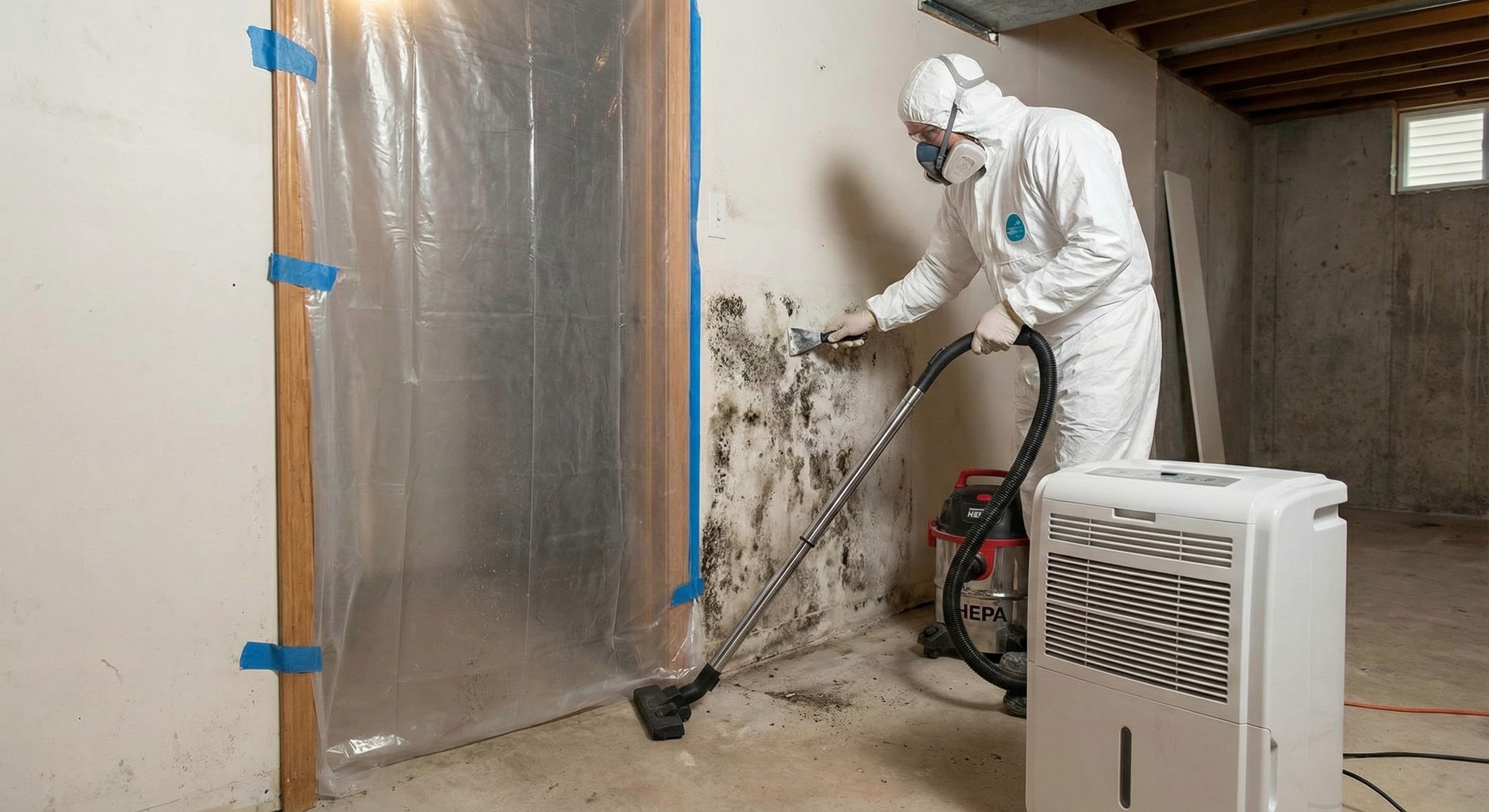
- Contain the area so spores don’t spread
- Remove damaged materials (if needed)
- Clean surfaces with HEPA methods
- Use air scrubbers and HEPA filtration
- Dry the home with professional drying equipment
- Verify the area is clean and dry
Remediation is focused on fixing the cause, not just the stain.
Can You Remove Mold From Everything?
Not always. Some materials hold mold deep inside and cannot be safely cleaned.
Materials That Often Must Be Removed
- Drywall (especially if soaked)
- Insulation
- Carpet padding
- Particle board and pressed wood
- Ceiling tiles
- Some soft furniture and fabrics
Materials That Are Often Cleanable
- Solid wood (depending on damage)
- Concrete
- Tile and grout (needs careful cleaning)
- Metal
- Some plastics
A professional will decide based on:
- How long it was wet
- How deep mold spread
- The type of material
- Whether it can be fully dried
What Professional Mold Removal Usually Includes
If you want mold truly “handled,” professional remediation follows steps that reduce risk and improve results.
Inspection and Moisture Detection
Pros often use tools like:
- Moisture meters
- Thermal imaging (to find wet spots)
- Humidity readings
- Visual inspection in crawl spaces, attics, and basements
This matters because mold follows moisture, and moisture is not always easy to see.
Containment and Air Control
To keep spores from spreading into clean areas, teams may use:
- Plastic barriers
- Negative air pressure
- HEPA air scrubbers
- Protective gear
This is especially important if mold is in a hallway, HVAC area, or large room.
Safe Removal and Cleaning
Typical steps:
- Remove and bag contaminated materials
- HEPA vacuum surfaces
- Damp-wipe and detail clean
- Use antimicrobial treatments where appropriate
- Clean the air during the process
Drying and Dehumidification
Drying is not optional. Pros use:
- Commercial dehumidifiers
- Air movers (fans)
- Targeted drying for walls and floors
If moisture stays, mold can return.
DIY Mold Cleanup: When It Can Work
DIY can be okay when the problem is small and simple.
DIY Might Be Fine If:
- The area is small (like a little spot on bathroom caulk)
- You found the moisture source and fixed it
- The material is not soaked through
- No one in the home has serious breathing issues
- The mold is not spreading or returning
DIY Tips That Matter
- Wear gloves and a mask
- Keep the area ventilated (without blowing spores everywhere)
- Clean and dry the surface fully
- Watch for return growth within 1–2 weeks
- Fix humidity and ventilation
If the mold keeps coming back, that’s a big sign it’s not just surface mold.
When You Should Call a Professional
Some mold jobs are risky, hidden, or too large to handle safely.
Call a Pro If:
- Mold covers a large area
- You smell a strong musty odor but can’t see the mold
- There was flooding or sewage backup
- Mold is in walls, ceilings, or HVAC systems
- The home has ongoing leaks or high humidity
- Someone in the home has asthma, allergies, or immune issues
- You cleaned it before and it came back
A professional restoration team can connect water damage drying + mold remediation, which is often the key to stopping the problem for good.
How to Keep Mold From Coming Back
Stopping mold is mostly about moisture control. Here are simple steps that make a big difference.
Control Humidity
- Aim for indoor humidity around 30–50%
- Use a dehumidifier in damp areas
- Run bathroom fans during and after showers
- Vent dryers to the outside (not into the attic)
Fix Water Problems Fast
- Repair leaks quickly
- Replace damaged caulk or grout
- Check under sinks and behind toilets
- Watch ceilings for stains (a common roof leak clue)
Dry Wet Materials Right Away
After a spill or leak:
- Dry the area within 24–48 hours
- Pull up wet rugs
- Use fans and dehumidifiers
- Don’t ignore wet drywall or baseboards
Maintain Good Airflow
- Don’t block vents
- Keep furniture slightly away from exterior walls in damp rooms
- Improve airflow in closets (a common hidden mold zone)
How Water Damage Restoration Helps Prevent Mold
Mold often starts because water damage was not handled completely.
Water damage restoration is more than “cleaning up water.” It includes:
- Finding where water traveled
- Drying inside walls and under floors
- Preventing hidden moisture
- Protecting building materials
- Reducing mold risk after leaks or floods
If you’re dealing with a leak, flood, or storm damage, getting professional drying done early can help you avoid mold remediation later.
The Bottom Line: Can Mold Ever Be Fully Removed?
Here’s the most honest answer:
- You can fully remove mold growth and contaminated materials
- You can clean and restore the area to normal indoor conditions
- You cannot remove every mold spore forever
- But you can prevent mold from becoming a problem again by controlling moisture
If mold is connected to a leak, flood, or hidden dampness, the best results usually come from combining mold remediation with proper water damage restoration.
FAQs
Can mold be completely eliminated from a home?
You can remove mold growth and fix the moisture problem, which makes your home safe again. But you can’t remove every mold spore from the air forever because spores are naturally present.
Why does mold keep coming back after I clean it?
Most of the time, the surface was cleaned but the moisture source was not fixed. Hidden damp drywall, high humidity, or a slow leak can cause repeat growth.
Is it safe to live in a house after mold remediation?
In many cases, yes—when remediation is done correctly, contaminated materials are removed or cleaned, and the area is fully dried. If you have health concerns, talk with a medical professional.
What’s the difference between mold removal and mold remediation?
Mold removal usually means cleaning visible spots. Mold remediation is the full process of containing, removing contamination, cleaning the air, drying the space, and fixing the moisture source.
Do I need water damage restoration if I have mold?
Often, yes. Mold commonly starts after water damage. Drying the structure and fixing leaks are key steps to stopping mold from returning.