Can a house with water damage be repaired?
Yes, in many cases, a house with water damage can be repaired. The key is how fast you act, how far the water spread, and what the water touched (like drywall, flooring, wiring, or the structure). Some water damage is small and simple. Other times, it can be serious—especially if mold grows or if the water is dirty (like sewage).
This guide explains what “repair” really means, what to do first, and when you should call a water damage restoration company to help protect your home.
What “Water Damage Repair” Really Means
Water damage repair is not just painting over a stain. True repair usually includes:
- Stopping the water leak (pipe, roof, appliance, or flood source)
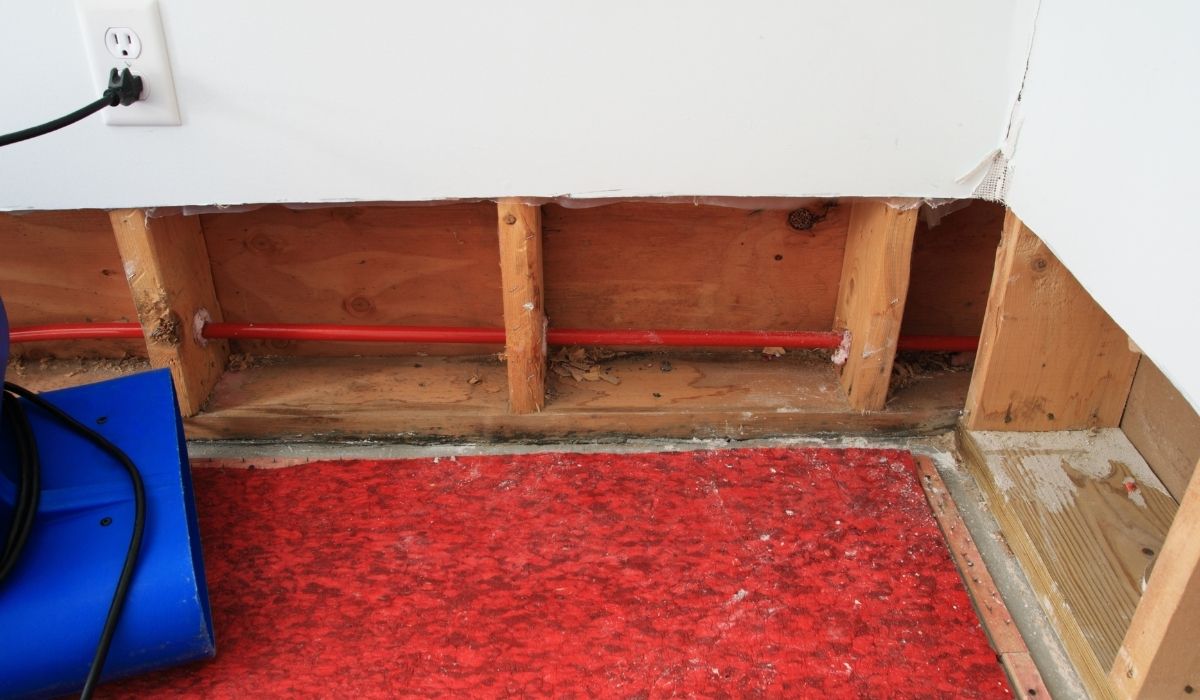
- Water extraction (removing standing water)
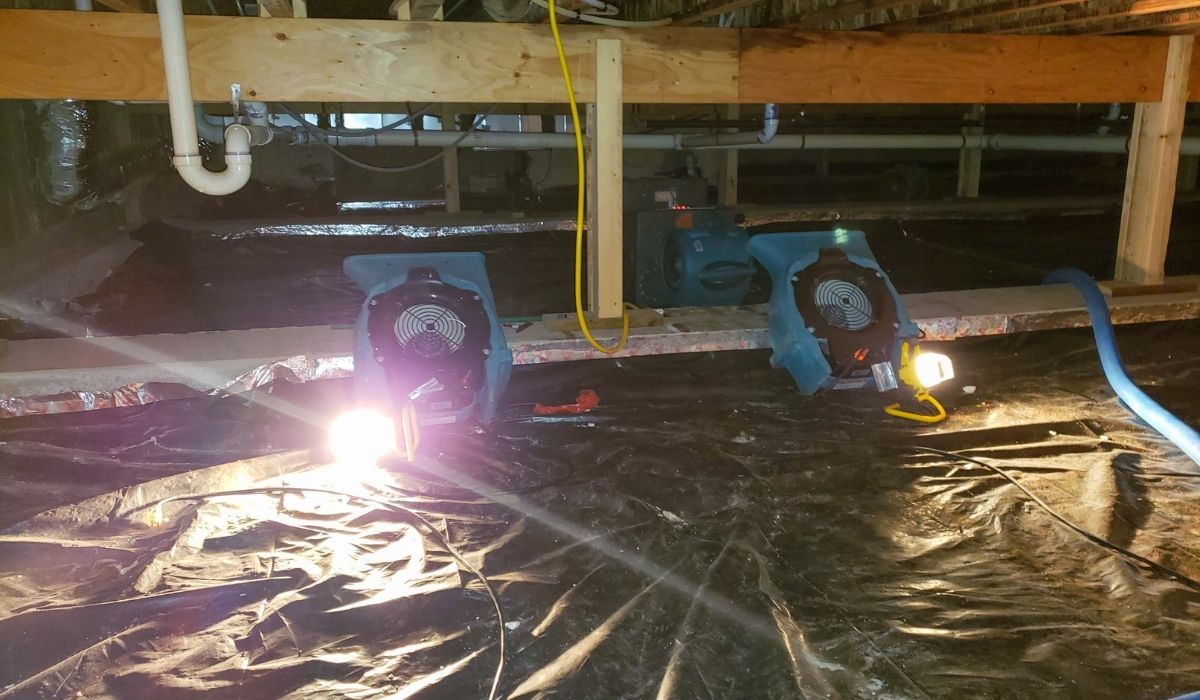
- Drying and dehumidification (drying deep moisture inside materials)
- Moisture testing (using moisture meters and inspections)
- Cleaning and sanitizing (especially for contaminated water)
- Mold prevention or mold remediation if needed
- Rebuilding (drywall, insulation, flooring, baseboards, cabinets, framing)
If you skip steps, hidden moisture can stay trapped and cause mold, bad odors, and more damage later.
What Decides If Your Home Can Be Repaired?
Most homes can be repaired, but these factors decide how hard the job will be.
How Long the Water Sat in the House
Time matters a lot.
- First 24 hours: Best chance to dry fast and prevent mold.
- 24–48 hours: Mold risk starts going up.
- After 48 hours: Mold growth is more likely, and repairs can get bigger.
Fast drying and quick action can save drywall, wood, and floors.
How Much Water Got In and Where It Went
A small leak under a sink is different from a flooded living room. Water can spread into:
- Drywall and insulation
- Subfloor and flooring
- Baseboards and trim
- Cabinets and vanities
- Crawl spaces and basements
- Attics (roof leaks)
- Electrical outlets and wiring
If water reaches hidden spaces, professional drying equipment may be needed.
What Type of Water Caused the Damage
Not all water is the same. Restoration pros often talk about the “type” of water because it affects safety.
- Clean water: From a supply line, faucet, or rainwater (sometimes).
- Gray water: From washing machines, dishwashers, or some drain leaks.
- Black water: Sewage, toilet backups, or floodwater from outside.
If you have sewage or black water, repairs are still possible, but cleaning and removal steps are more serious.
Signs Your House Can Likely Be Repaired
Many water damage problems are repairable when you catch them early. Good signs include:
- The water source is stopped fast
- Damage is in a small area (one room or one wall)
- No strong musty smell
- Flooring is not buckling across large areas
- No major sagging ceiling
- No long-term leak history
Even when it looks “fine,” a moisture inspection can confirm what’s really happening behind the scenes.
Signs the Damage May Be Serious (But Still Often Repairable)
Serious damage does not always mean “total loss,” but it does mean you need expert help quickly.
Warped Floors, Soft Spots, or Buckling
Wood and laminate floors can swell and warp. Subfloors can get soft. This may require:
- Removing damaged flooring
- Drying the subfloor
- Replacing sections if rot starts
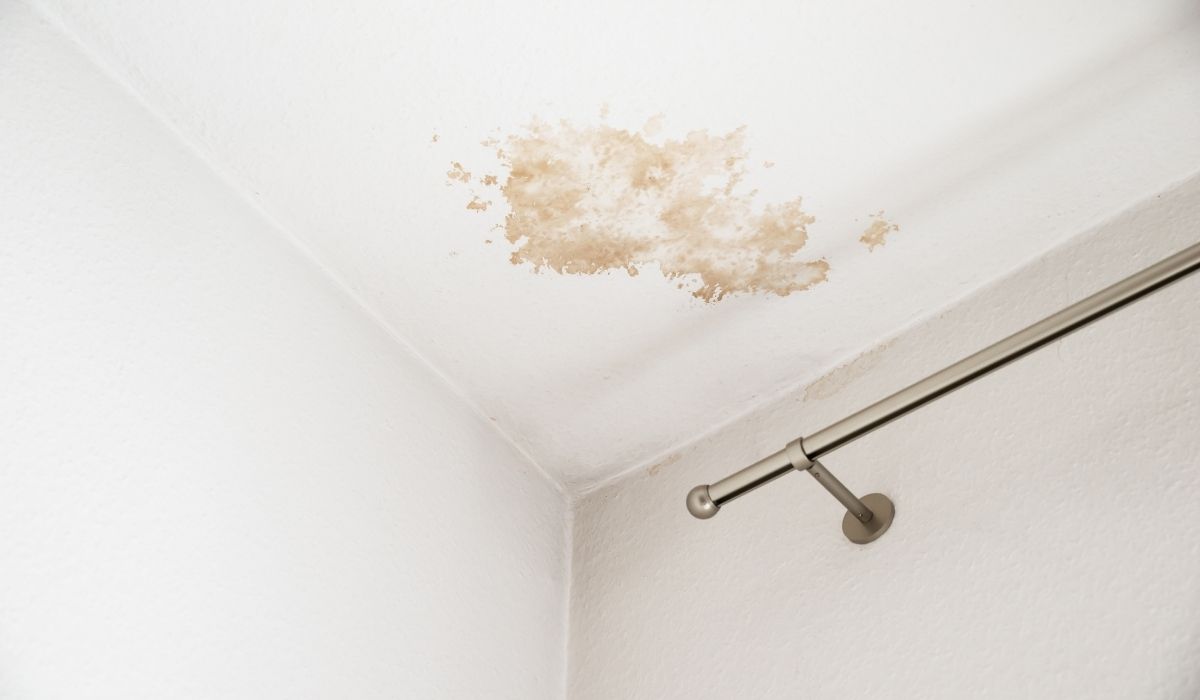
Sagging Ceiling or Wet Drywall
Drywall acts like a sponge. When it gets soaked, it can crumble or sag. A ceiling with water damage can also become a safety risk.
If a ceiling is sagging, do not poke it. There could be trapped water.
Mold Smell or Visible Mold
A musty odor often means moisture stayed too long. Mold can grow:
- Behind drywall
- Under carpet and padding
- In insulation
- Around vents and HVAC areas
Mold remediation may be needed before rebuilding.
Electrical Concerns
If water reached outlets, breaker panels, or wiring, treat it as dangerous. Turn off power to the affected area and call professionals.
Step-by-Step: What to Do Right After Water Damage
If you’re asking “can a house with water damage be repaired,” this first part is critical. These steps can reduce your repair cost and protect your home.
Step 1: Stop the Water Source
- Shut off the main water valve if needed
- Fix the leak (pipe, valve, appliance)
- For roof leaks, use a temporary tarp if safe
Step 2: Stay Safe
Water and electricity do not mix. Avoid wet outlets and cords. If the water might be contaminated (sewage), avoid contact and keep kids and pets away.
Step 3: Document Everything
For home insurance claims, take:
- Photos and videos of damage
- Notes about when the leak started
- Receipts for emergency repairs or supplies
Step 4: Start Drying (If It’s Safe and Small)
For small clean-water leaks, you can start with:
- Fans (aimed across wet areas)
- A dehumidifier
- Removing wet rugs or items
- Opening cabinets where pipes leaked
But if the water spread widely or soaked walls/floors, call a water damage restoration team to do proper drying and moisture testing.
Why Professional Water Damage Restoration Helps Repair Success
A big reason homes get “repeat damage” is hidden moisture. A professional restoration company can:
- Do water extraction with commercial equipment
- Set up air movers and dehumidifiers correctly
- Check moisture levels inside walls and floors
- Remove damaged materials safely (drywall, insulation, carpet pad)
- Help prevent mold and mildew
- Provide paperwork often needed for insurance
Many reputable companies follow industry standards (often tied to organizations like IICRC training and best practices). Look for licensed, insured contractors and a team that explains the process clearly.
Common Areas That Get Water Damage (And How They’re Repaired)
Kitchens
Common causes: dishwasher leaks, sink plumbing, fridge line leaks.
Repairs may include cabinet drying, toe-kick removal, and floor replacement.
Bathrooms
Common causes: toilet overflow, shower pan leaks, grout failure, supply lines.
Repairs may include drywall removal, drying behind tile, and mold remediation.
Attics and Ceilings
Common causes: roof leaks, flashing failures, chimney leaks, HVAC drain issues.
Repairs may include insulation removal, ceiling drywall replacement, and roof repair.
Basements and Crawl Spaces
Common causes: groundwater, sump pump failures, foundation cracks, drainage issues.
Repairs may include pumping water, drying framing, and improving drainage.
Will Homeowners Insurance Cover Water Damage Repairs?
Sometimes yes, sometimes no. Many homeowners insurance policies may cover sudden and accidental water damage—like a burst pipe or a washing machine overflow. But they often do not cover long-term leaks or poor maintenance.
Coverage depends on:
- What caused the damage
- How quickly it was found
- Your policy details and endorsements
- Whether mold coverage is included
- Whether flood insurance is needed (for outside flooding)
If you’re filing a claim, your restoration company may help with documentation like drying logs, photos, and itemized estimates.
How Long Does It Take to Repair a House With Water Damage?
It depends on the size and severity, but many projects follow this rough pattern:
- Emergency mitigation and drying: 3–7 days (sometimes longer)
- Cleaning/sanitizing: 1–3 days
- Mold remediation (if needed): 1–7+ days
- Rebuild (drywall, paint, floors): 1–6+ weeks
A fast response usually means a faster repair and lower overall cost.
How to Prevent Water Damage From Coming Back
Once your home is repaired, prevention matters.
Maintenance Tips That Help
- Inspect plumbing under sinks and behind toilets
- Replace old supply lines (especially braided lines that look worn)
- Clean HVAC drain lines and check drip pans
- Keep gutters clean and direct water away from the home
- Check the roof, flashing, and chimney areas
- Use leak detectors near water heaters and washing machines
Preventing the next leak is part of protecting your investment.
Water Damage and Mold: What Homeowners Should Know
Mold is a common fear—and for good reason. Mold spores exist naturally, but they grow when there is moisture and time.
To lower mold risk:
- Start drying within 24 hours
- Remove wet porous materials when needed (carpet pad, insulation, drywall)
- Keep humidity low with dehumidification
- Fix the leak fully (not a temporary patch)
If you already see mold, don’t just spray and paint. Mold usually needs proper containment and removal, especially when it’s inside walls or HVAC areas.
When You Should Call a Water Damage Restoration Company
Call a restoration professional if:
- Water soaked walls, ceilings, or floors
- You have a sewage backup or “dirty water”
- The leak was hidden and may have been there a while
- You smell musty odors
- You see mold spots
- You’re not sure how far water spread
- You need help with an insurance claim
This is exactly where a water damage restoration pillar page can help homeowners understand the full process and what to expect during mitigation and repairs.
FAQs
Can a house with water damage be repaired without tearing out walls?
Sometimes, yes—if the water is clean and caught fast. But if drywall is soaked or mold is likely, removing sections is often the safest way to dry fully.
Is it safe to live in a home while water damage is being repaired?
It depends. Small, contained repairs may be fine. If there’s sewage, major mold, or exposed electrical issues, it may be safer to stay elsewhere until the area is cleaned and dried.
What dries faster: fans or dehumidifiers?
Both work best together. Fans move air across surfaces, and dehumidifiers pull moisture from the air to speed up drying and reduce mold risk.
How do I know if water damage is behind my walls?
Common signs are bubbling paint, peeling, soft drywall, warped baseboards, and a musty smell. A professional inspection with moisture meters and thermal tools can confirm hidden moisture.
What’s the first thing to do after discovering water damage?
Stop the water source, stay safe (especially around electricity), document the damage, and start drying. For large damage or sewage, call a water damage restoration team right away.