Burst Pipe Cleanup: What Happens After the Pipe Stops Leaking
A burst pipe water damage cleanup problem can feel scary, but you can take smart steps fast. In the first minutes, focus on safety, stopping the water, and protecting your home from bigger damage. If you need water damage restoration, Preferred Restoration can help with emergency service, drying, and a full restoration process.
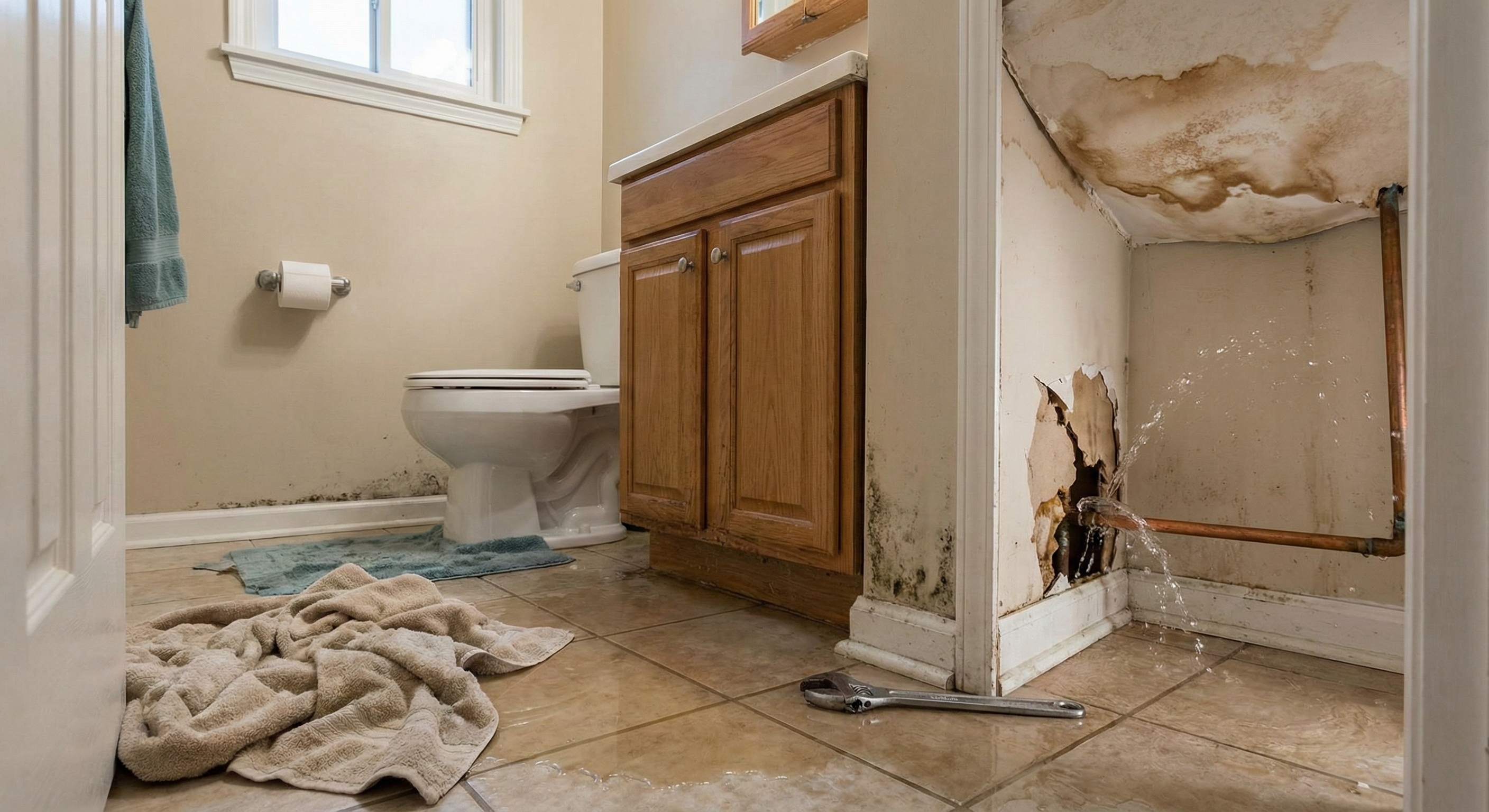
When a pipe bursts, water can rush into walls, drywall, carpet, and wood flooring. That wet area can turn into mold and bacteria growth quickly if you continue to wait. The faster you act, the more you can prevent water damage from spreading.
Why Burst Pipes Cause So Much Water Damage
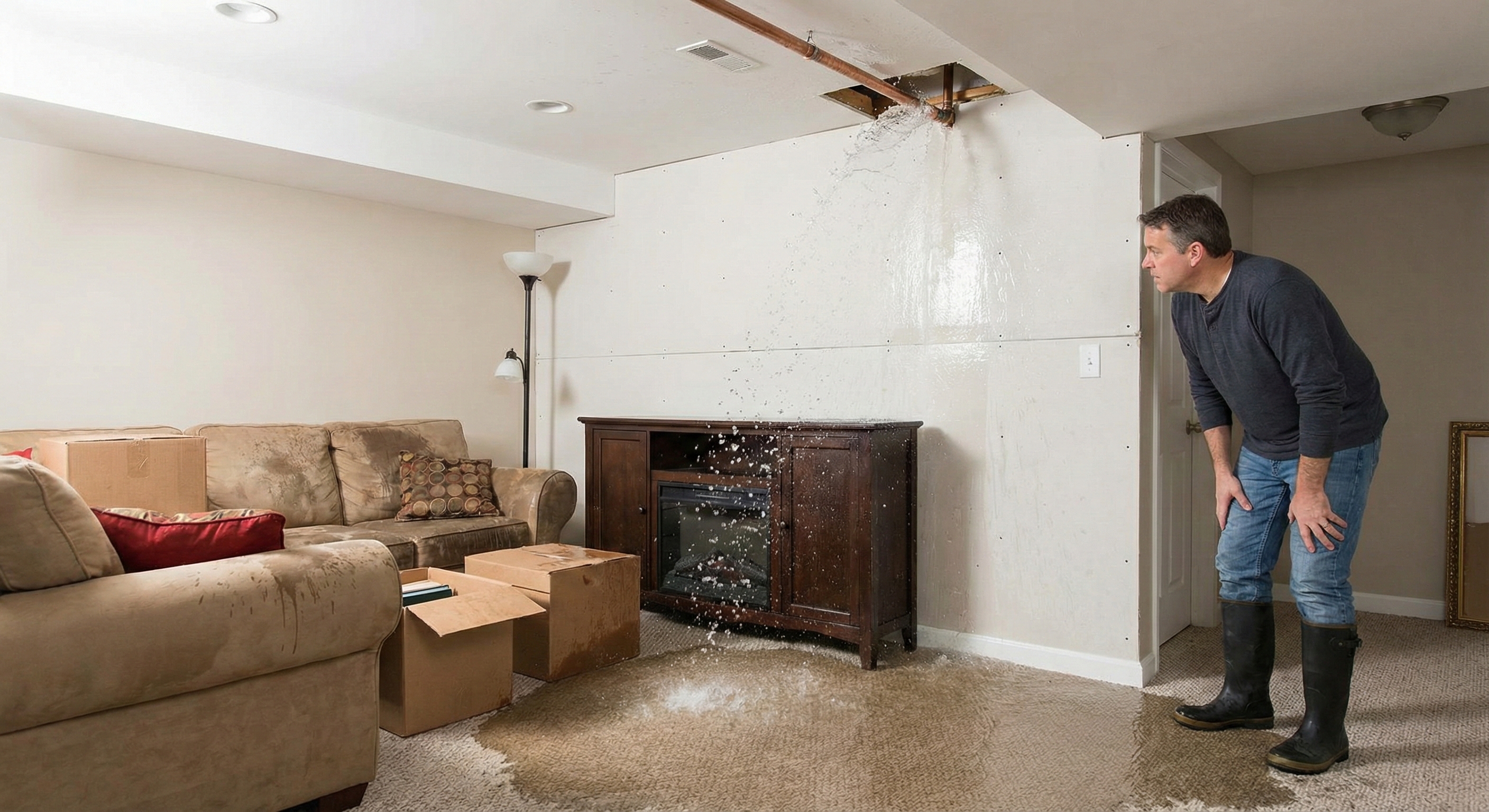
A burst pipe can release a large amount of water in minutes. Unlike a small leak, a break in the water supply line can soak floors and walls right away. This is why burst pipes often lead to major water damage, especially in hidden spaces.
Common reasons a water pipe bursts
- Freezing temperatures cause water inside pipes to expand
- High pressure in the plumbing line
- Old or corroded pipe materials
- Poor construction or weak pipe joints
- A sudden change in water pressure from the water supply
Why basements get hit hard
A basement is lower than the rest of the home, so water flows down and collects there. It can soak carpet, spread across the floor, and seep into drywall and wood framing fast. If there is a floor drain, a pump may still be needed if the flood is heavy.
Safety First: What To Check Before Cleanup
Before you start burst pipe cleanup, think about safety. Wet areas can hide hazards.
Turn off electricity if needed
If water is near outlets, lights, or electrical panels, do not walk through it. Shut off power if it’s safe to do so. If not, call for emergency service.
Watch for sewage water
If the water is coming from a backup or mixed with waste, that can be sewage. Sewage water can carry harmful bacteria and needs special cleaning steps. Do not use a household vacuum on contaminated water.
Slip and fall risks
Wet wood flooring, tile, and soaked carpet are slippery. Move slowly and keep kids and pets away from the area.
Step 1: Stop the Water Fast
Stopping the water is the biggest step in prevent water damage.
Shut off the main valve
Find your home’s main valve and turn it off. This stops the water supply so the flooding can’t continue.
If you can, drain the plumbing lines
After shutting off the valve, open a faucet to reduce pressure in the plumbing system. This can help reduce more dripping from the damaged area.
If the roof is involved
Sometimes water damage looks like a burst pipe, but it’s actually a roof leak. A quick inspection helps you know what caused it, so you can plan the right restoration process.
Step 2: Call for Emergency Help When It’s Too Big
Some burst pipe jobs are too large for a homeowner to handle alone. Call Preferred Restoration for water damage restoration if:
- Water has soaked walls and drywall
- The basement has standing water like a flood
- Water reached wood, framing, or wood flooring
- You suspect sewage
- You smell musty odors that may mean mold
- You need equipment like a pump or professional drying systems
Fast response matters because moisture spreads behind walls and under floors.
Step 3: Remove Standing Water
Once the water is stopped, the next part of burst pipe cleanup is removing as much water as possible.
Use a pump for heavy water
If water is deep, a pump may be needed to remove it quickly.
Use extraction tools the right way
A wet/dry vacuum can help remove water from surfaces, but it is best for small, clean-water situations. Never use it on sewage water.
Pull up soaked materials when needed
- Wet carpet and padding can hold gallons of water
- Drywall can crumble and stay wet behind paint
- Wet wood can warp and swell
If you are unsure what to remove, a professional inspection can help.
Step 4: Drying Is Where Most People Lose the Battle
Drying is not just “leave fans on.” Real drying is controlled, measured, and checked.
Why drying matters
If moisture stays trapped in walls, floors, and framing, it can lead to:
- Mold
- Bad smells
- Warped floors
- Hidden rot in wood
- More costly restoration water damage work later
What good drying includes
- Strong air movers and dehumidifiers
- Moisture checks with meters
- Drying under wood flooring when possible
- Drying behind drywall if it’s still safe to keep
Moisture can hide under the floor and inside walls, even after the surface looks dry.
Step 5: Moisture Testing and Inspection
A professional inspection helps you understand how far the damage spread. Water can travel through:
- Wall cavities
- Insulation
- Subfloors under tile or wood flooring
- Padding under carpet
What pros look for
- Moisture level readings
- Signs of a long-term leak vs. sudden pipe bursts
- Areas where water can collect in the basement
- Early signs of mold and bacteria
This step protects your home and helps plan the best restoration process.
Step 6: Cleaning and Sanitizing After a Burst Pipe
Even “clean” water can pick up dirt and germs as it spreads. Proper cleaning helps lower risk.
What gets cleaned
- Floors and baseboards
- Affected drywall edges
- Surfaces around cabinets
- Any wet wood or framing that can be saved
When bacteria risk is higher
If water sat for a long time, or if it came from sewage, the bacteria risk can increase. That’s when professional sanitizing becomes very important.
Step 7: Mold Prevention After Water Damage
Mold can start growing quickly in damp areas. The goal is to dry fast, clean well, and keep moisture down.
How to help prevent mold
- Start drying right away
- Keep air moving and humidity low
- Remove soaked items that cannot dry (like wet padding)
- Get a moisture inspection to confirm everything is dry
If you see or smell mold, stop DIY work and call a professional. Mold can spread if disturbed.
Step 8: Repairs and Water Damage Restoration
After drying and cleaning, the final stage is repair and rebuilding. This is where restoration becomes “making the home whole again.”
Common repairs after burst pipes
- Replacing sections of drywall
- Installing new carpet or padding
- Repairing warped wood flooring
- Fixing damaged trim and paint
- Restoring framing and materials impacted by moisture
Preferred Restoration focuses on the full restoration process, not just the first day of cleanup. That means the goal is safe, dry, clean, and restored living spaces.
Insurance and Documentation Tips
Many homeowners use insurance for burst pipe damage, but paperwork matters.
What to document
- Photos and videos of the wet areas
- Photos of the damaged pipe and where the pipe bursts happened
- Notes on when you shut off the valve and water supply
- Receipts for emergency steps and supplies
Why documentation helps
Good notes can support your claim and show the damage was sudden, like water pipe bursts, not a slow leak that was ignored.
How to Prevent Burst Pipes in the Future
You can’t stop every emergency, but you can lower risk.
Simple ways to prevent water damage
- Insulate pipes in cold areas to reduce freezing risk
- Keep heat on during cold nights
- Open cabinet doors so warm air reaches plumbing
- Fix small leaks early before a bigger break happens
- Watch water pressure and use a regulator if needed
- Know where your main valve is and test it
Preventing burst pipes protects your home, floors, and walls from repeat damage.
Why Choose Preferred Restoration for Burst Pipe Cleanup
When water spreads fast, you need a team that knows what to do next. Preferred Restoration provides:
- Fast response emergency service
- Water extraction with the right tools (including pump options)
- Professional drying with moisture checks
- Detailed inspection and clear next steps
- Full water damage restoration and repair support
Burst pipe jobs are stressful. A clear, proven process helps you feel in control again.
FAQs
How long does burst pipe water damage cleanup take?
It depends on how far the water spread. Small areas may dry in a few days. Larger jobs with wet drywall, carpet, or wood flooring can take longer because drying and the restoration process must be done correctly.
Can I use a household vacuum for burst pipe cleanup?
A wet/dry vacuum can help with small amounts of clean water. But it is not safe for sewage water, and it won’t fully dry walls or floors. For full water damage restoration, professional drying and moisture testing are often needed.
What are signs I might have mold after a burst pipe?
Musty odors, visible spots, allergy-like symptoms, or damp areas that won’t dry can be signs of mold. Quick drying and proper cleaning help reduce risk, but hidden moisture can still cause problems.
Will my basement be harder to dry after a pipe bursts?
Often, yes. A basement collects water and can hold moisture in walls, floors, and under carpet. Standing water may require a pump, and drying may take longer because air flow is limited.
What should I do first if a water pipe bursts at night?
Shut off the main valve to stop the water supply, avoid electrical hazards, and call an emergency restoration team if the flooding is heavy. The faster you act, the more you can prevent water damage and avoid mold.