Fire Prevention Tips for Orange County Homes (Cooking, Electrical, Wildfire Prep)
Fires can start fast and spread even faster—especially in Orange County during dry months and strong Santa Ana winds. The good news is that many home fires are preventable. With a few smart habits, you can help protect your family, your home, and your neighborhood.
If a fire ever does happen, smoke and soot can cause serious damage.
Why Fire Prevention Matters in Orange County
Orange County has a mix of coastal cities and inland neighborhoods with hills, canyons, and open space. That means fire risks can come from different sources.
Common fire risks in Orange County
- Santa Ana winds that push flames and embers quickly
- Dry brush and landscaping near homes
- Cooking fires in kitchens
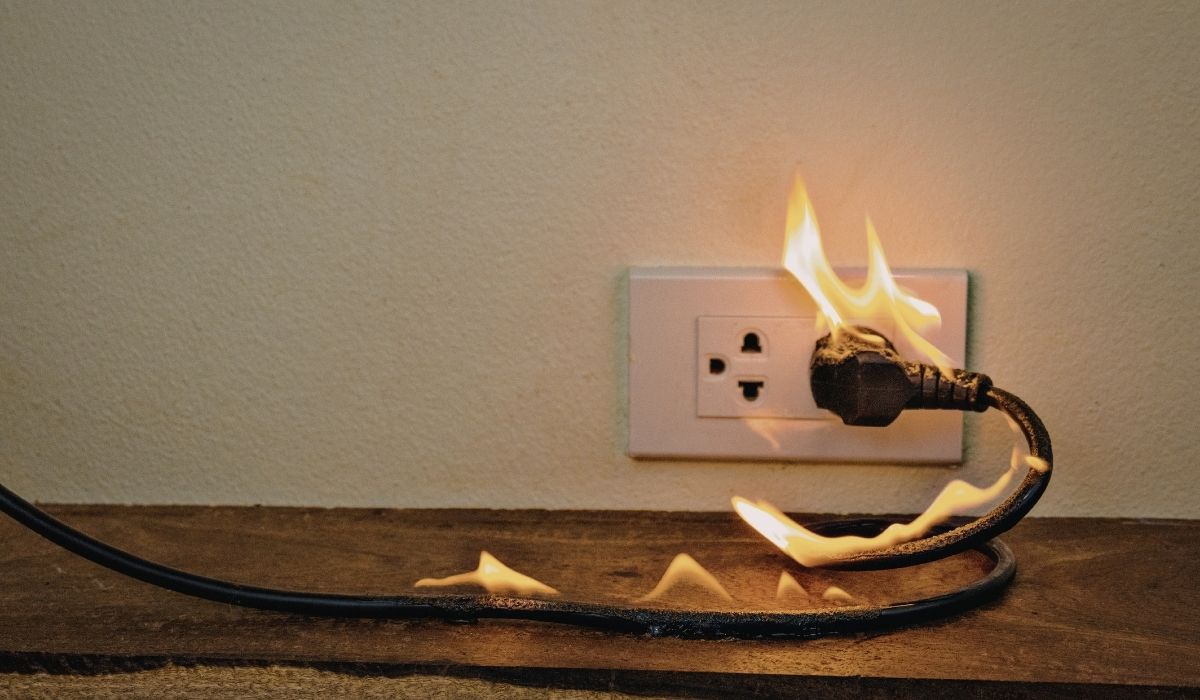
- Electrical problems in older homes or overloaded outlets
- Candles and smoking materials used indoors
- Garage and storage hazards like paint, propane, and batteries
Wildfires vs. house fires
Wildfires get a lot of attention, but many fires start inside the home. A small stove fire, space heater issue, or faulty wire can cause major damage in minutes.
Start With a Simple Home Fire Safety Plan
A fire safety plan helps everyone know what to do if the smoke alarm goes off.
Make a family escape plan
- Choose two exits from each room (door + window if possible)
- Pick a safe meeting spot outside (mailbox, neighbor’s tree, sidewalk corner)
- Practice a quick drill twice a year
- Teach kids: get out, stay out, call 911
Keep important items easy to grab
Have a small “go bag” with:
- Medications
- Copies of key documents
- Phone charger
- Pet leash or carrier
Smoke Alarms and Fire Extinguishers: Your First Line of Defense
These tools are simple, affordable, and they save lives.
Smoke alarm tips
- Install alarms inside bedrooms, outside sleeping areas, and on every level
- Test alarms monthly
- Change batteries at least once a year (or use 10-year alarms)
- Replace the whole alarm every 10 years (check the back for the date)
Fire extinguisher basics
Keep an extinguisher in:
- The kitchen (but not right next to the stove)
- The garage
- Near laundry areas
PASS method:
- Pull the pin
- Aim at the base of the fire
- Squeeze the handle
- Sweep side to side
If the fire is growing, leave right away and call 911.
Kitchen Fire Prevention Tips
Cooking is one of the top causes of home fires. Most kitchen fires happen when food is left unattended.
Safer cooking habits
- Stay in the kitchen when frying, grilling, or broiling
- Keep towels, oven mitts, and paper away from flames
- Turn pot handles inward
- Keep kids and pets away from the stove area
What to do if a grease fire starts
- Do not use water (it can explode and spread flames)
- Turn off the heat if it’s safe
- Cover the pan with a lid or baking sheet
- Use baking soda for small grease fires (not flour)
- If it spreads, get out and call 911
Electrical Fire Prevention in Orange County Homes
Electrical issues can happen in any home, especially with older wiring, DIY repairs, or heavy power use.
Warning signs of an electrical problem
- Flickering lights
- Warm outlets or switch plates
- Burning smell near outlets
- Breakers that trip often
- Buzzing sounds from panels
Smart electrical safety habits
- Do not overload power strips
- Use surge protectors for electronics
- Replace damaged cords right away
- Keep cords out from under rugs
- Hire a licensed electrician for panel or wiring concerns
Space Heaters, Fireplaces, and Candles
These items create cozy vibes—but they also create fire risk.
Space heater safety
- Keep heaters 3 feet away from anything that can burn (curtains, bedding, couches)
- Plug heaters directly into a wall outlet (no extension cords)
- Turn them off when leaving the room
- Choose heaters with tip-over shutoff
Fireplace and chimney safety
- Use a sturdy screen to block sparks
- Never burn trash, cardboard, or glossy paper
- Get chimneys inspected and cleaned as needed
- Let ashes cool fully before disposal (store in a metal container)
Candle safety
- Use flameless candles when possible
- Keep real candles away from kids, pets, curtains, and paper
- Never leave a candle burning in an empty room
- Put candles on a stable, non-flammable surface
Laundry Room and Garage Fire Prevention
Laundry areas and garages can hide major hazards.
Dryer fire prevention
- Clean the lint trap after every load
- Check and clean the dryer vent hose
- Avoid running the dryer when you’re asleep or away
- Don’t overload the dryer
Garage fire prevention
- Store paint, solvents, and gasoline safely (sealed containers)
- Keep propane tanks outside when possible
- Charge lithium batteries on non-flammable surfaces
- Keep clutter away from water heaters or electrical panels
Wildfire Prevention Tips for Orange County Neighborhoods
Wildfires can start from many causes, including embers traveling far in high winds.
Create defensible space around your home
- Clear dry leaves and brush around fences, patios, and decks
- Trim tree branches away from the roof
- Remove dead plants and dry mulch near walls
- Keep gutters clean (leaves in gutters can ignite)
Harden your home against embers
- Use metal mesh screens on vents (ember-resistant vents if possible)
- Fix broken roof tiles and seal gaps
- Keep patio cushions stored when winds are high
- Close windows and doors during smoky, windy days
Know your evacuation routes
Orange County cities and canyons can get congested quickly. Have at least two ways out:
- Main roads
- Back routes through nearby streets
Fire Safety for Apartments and Condos
If you live in Irvine, Santa Ana, Anaheim, Costa Mesa, Huntington Beach, or anywhere in OC, apartment safety still matters.
Apartment fire prevention tips
- Don’t block hallways or doors with shoes, furniture, or bikes
- Know where stairwells and exits are
- Never use grills on balconies if not allowed
- Report broken smoke alarms right away
- Keep a small extinguisher and a flashlight
Fire Prevention Tips for Businesses in Orange County
Businesses have extra fire risks: equipment, storage, customers, and busy workdays.
Business fire safety basics
- Keep exit signs clear and bright
- Don’t block emergency doors
- Train staff on extinguisher use and evacuation
- Store flammable items in proper cabinets
- Schedule regular electrical and HVAC inspections
What to Do After a Small Fire or Smoke Event
Even a “small” fire can create smoke, soot, and odor that spreads through walls, ceilings, HVAC ducts, and insulation.
Steps to take right away
- Make sure everyone is safe and call 911 if needed
- Don’t turn power back on if wiring was involved
- Avoid touching soot (it smears and can stain)
- Take photos for insurance
- Keep windows open only if it’s safe and air quality is okay
If you need help with cleanup, Preferred Restoration can help with fire and smoke damage recovery, including soot removal and odor control.
How Insurance Often Works After Fire Damage
Homeowners insurance may cover fire and smoke damage, but every policy is different.
Helpful insurance tips
- Call your insurance company as soon as possible
- Ask what emergency services are covered
- Save receipts for temporary needs (hotel, clothing, food)
- Don’t throw away damaged items until the adjuster advises
- Keep a simple list of what was damaged
Fire Prevention Checklist You Can Use Today
Here’s a quick checklist you can follow:
Weekly
- Keep stove and counters clear
- Check that exits are not blocked
- Charge phones and keep flashlights working
Monthly
- Test smoke alarms
- Check fire extinguisher pressure gauge
- Look for damaged cords and overloaded outlets
Seasonally
- Clean dryer vents
- Clear gutters and yard debris
- Review your family evacuation plan
- Update your emergency kit
FAQs About Fire Prevention Tips in Orange County
What are the biggest fire risks in Orange County homes?
Cooking, electrical issues, space heaters, candles, and dryer lint are common home fire risks. In dry, windy seasons, yard debris and embers can add extra danger.
How can I prepare for Santa Ana winds and wildfire season?
Clear dry brush, clean gutters, trim trees, and secure outdoor items. Know your evacuation route and keep an emergency kit ready.
How many smoke alarms do I need in my house?
A good rule is one in each bedroom, one outside sleeping areas, and one on every level of the home. Test them monthly and replace as needed.
What should I do if there’s smoke but no visible fire?
Treat it seriously. Check for a safe source if possible, but don’t take risks. Leave if you feel unsafe, call 911, and avoid breathing the smoke.
Does homeowners insurance cover fire and smoke damage?
Many policies do, but coverage depends on your plan and the cause of the damage. Take photos, contact your insurer quickly, and keep receipts.