What Fire Does to Drywall, Insulation, and Studs (When Replacement Is Required)
After a fire, your home can look “fine” at first—but smoke, soot, and smells can hide inside walls. If you’re wondering how to replace drywall after fire smoke damage, you’re not alone. Drywall is like a sponge. It can hold onto particulate matter, toxin residues, and strong odors for months. The good news: with the right inspection, safe cleanup, and smart repair work, you can get your home back to normal. For help from local specialists, you can start with fire damage restoration services.
Why Drywall Is a Big Deal After Fire and Smoke
Drywall is used in most homes for the wall and ceiling. It’s made of gypsum in the middle and paper on the outside. That paper layer can trap soot, smoke stains, and smells.
Even if flames never touched the room, smoke can travel through:
- HVAC ventilation ducts
- Open doorways and stairways
- Attic gaps near the roof
- Electrical outlets and wall openings
This is why fire damage often becomes a whole-home restoration problem, not just one room.
What Smoke and Soot Can Do to Drywall
Smoke is not just “dirty air.” It can include tiny particles and chemical leftovers, including particulate matter that sticks to surfaces. Over time, it can cause:
- Yellow or gray stains that bleed through paint
- Sticky soot film that won’t wipe off
- Strong smoke smells that keep coming back
- Possible irritants and toxin residues in porous materials
If the drywall is badly contaminated, the best path is often to replace drywall instead of trying endless cleaning.
When You Can Clean Drywall vs. When You Should Replace It
Not every fire means automatic demolition. The decision depends on the heat, smoke type, and how deep the contamination goes.
Signs You Might Be Able to Save the Drywall
You may be able to keep the drywall if:
- Smoke staining is very light and only on the surface
- The drywall is not soft, crumbling, or warped
- There was no major water event or long exposure to moisture
- Odors are mild and improve after professional cleaning
In these cases, pros may clean, seal, and repaint using the right primer.
Signs You Should Replace Drywall After Fire Smoke Damage
You should plan to replace drywall when you see:
- Heavy soot staining (thick black marks, smears, or oily residue)
- Drywall that smells strongly even after cleaning attempts
- Warped or swollen panels from water
- Soft spots, sagging areas on the ceiling, or crumbling corners
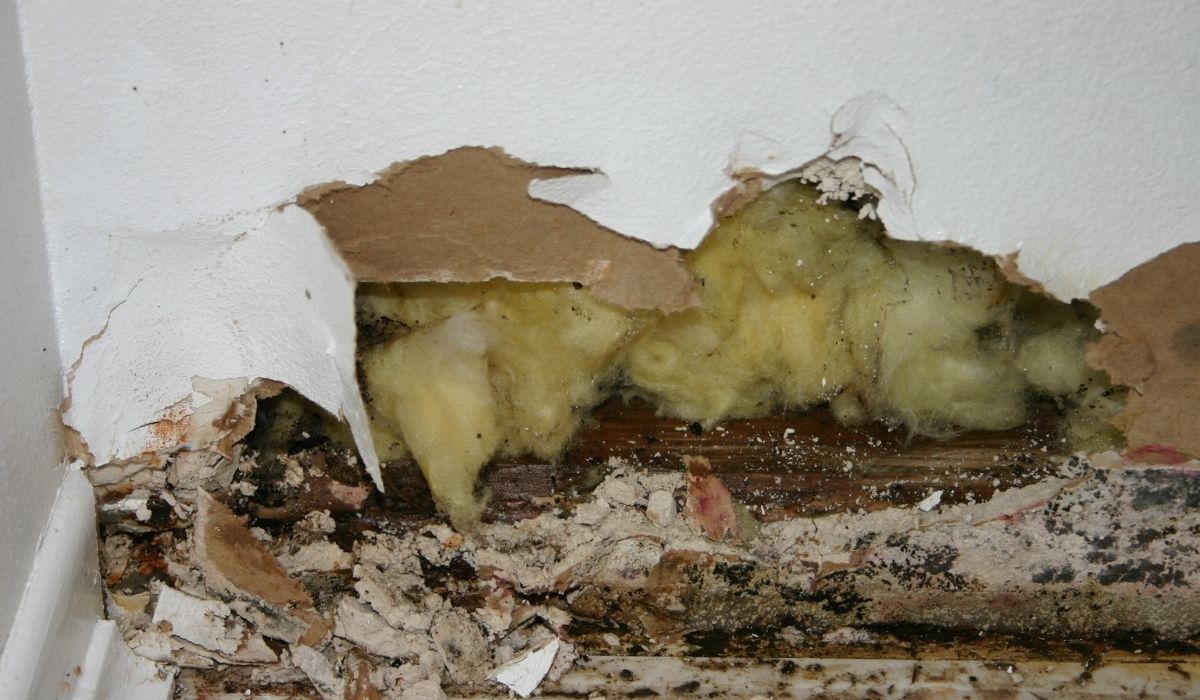
- Smoke contamination inside wall cavities
- Any signs of mold after firefighting water exposure
A fire often brings water damage too. Firefighters may use lots of water, and sometimes the home also experiences a flood in certain rooms. That can quickly lead to mold, which turns a fire cleanup into a combined fire restoration and water damage restoration job.
Don’t Forget: Water Damage Can Make Drywall Worse
After the flames are out, the next issue is usually moisture. Wet drywall is hard to save because it loses strength and can grow mold.
How Water Damage Happens After a Fire
Common sources include:
- Firefighting water soaking walls and floors
- Sprinklers flooding rooms like a mini flood
- Broken plumbing lines from heat or impact
- Roof openings that let rain in near the roof
If the drywall was wet for more than 24–48 hours, replacement is often safer than trying to dry it in place. This is a key part of damage restoration planning.
Safety First: What to Do Right After a Fire
Before any renovation or home improvement begins, protect your health and prevent more damage.
Quick Steps to Take
- Avoid touching soot with bare hands. It spreads easily.
- Keep kids and pets away from damaged areas.
- Don’t run the HVAC until it’s checked—smoke can spread through ventilation.
- Take photos for insurance.
- If you have standing water, address water damage quickly to stop mold.
Smoke and soot can contain irritants and harmful residues. A professional inspection helps confirm what materials can be saved and what must go.
The Inspection: How Pros Decide What to Remove
A good inspection looks beyond what you can see. Specialists may check:
- Surface soot levels and staining patterns
- Odor strength and where it’s trapped
- Moisture levels inside drywall
- Damage behind baseboards and trim
- Attic and crawlspace smoke paths near the roof
- HVAC and ventilation contamination
This step protects your budget and your health. It also helps support your insurance claim with clear documentation.
Who Usually Leads the Plan?
In many cases, a restoration team works with a general contractor to handle:
- Demolition and haul-away
- Drying (if there is water damage)
- Smoke cleaning and deodorizing
- Rebuild and finish work (drywall, texture, paint)
This is where fire damage restoration and home repair meet.
Step-by-Step: How Drywall Replacement Works After Fire Smoke Damage
Here’s what the typical process looks like when you need to replace drywall.
Step 1: Containment and Air Control
Pros often set up:
- Plastic barriers to isolate the work zone
- Negative air machines to control particulate matter
- Filters to reduce soot spread during demolition
This keeps soot from traveling into clean parts of the home.
Step 2: Remove Damaged Materials
The team will replace drywall by:
- Removing baseboards, trim, and fixtures carefully
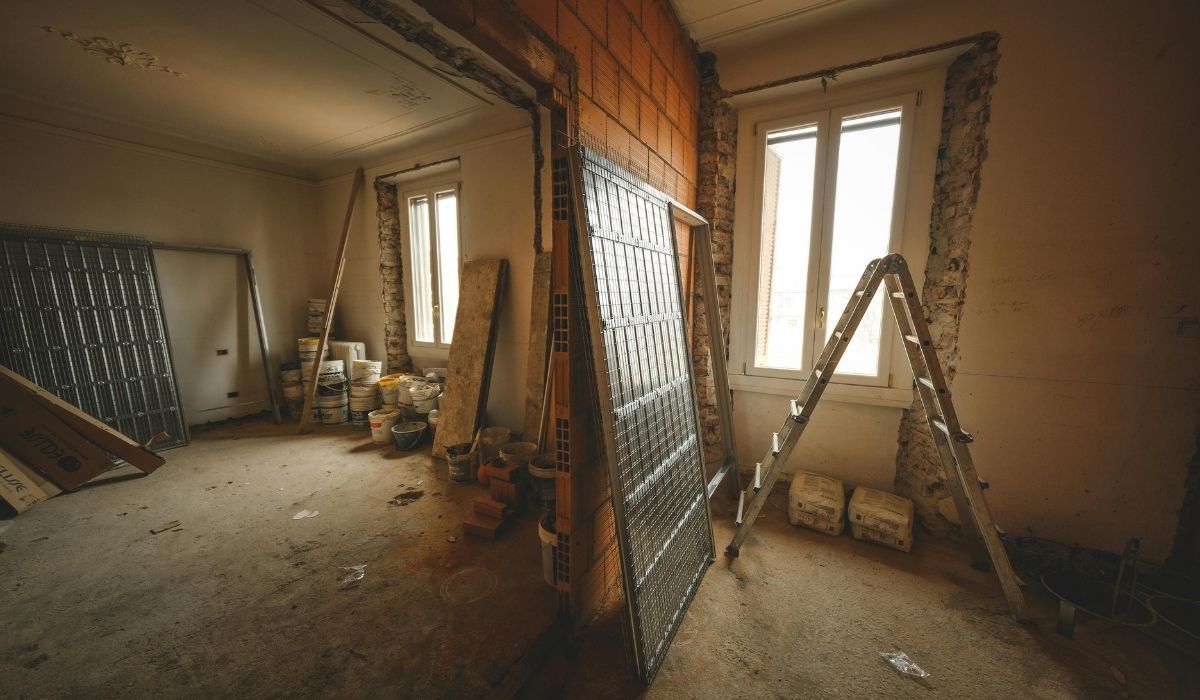
- Cutting out smoke-damaged or water-damaged drywall
- Checking insulation and studs inside the wall
- Removing any materials with heavy smoke damage
If the ceiling is impacted, they may remove sections of ceiling drywall too.
Step 3: Clean the Structure (Studs, Framing, and Surfaces)
Even after drywall is removed, soot can remain on framing. Pros may use:
- HEPA vacuuming
- Dry sponges designed for soot
- Specific cleaning agents for fire residue
- Odor control methods
This is crucial. If soot stays on framing, smells can come back and stain new finishes.
Step 4: Drying and Water Damage Restoration (If Needed)
If there was water damage, drying comes before rebuild:
- Dehumidifiers and air movers
- Moisture checks to prevent trapped dampness
- Prevention steps to avoid mold
This overlaps with water damage restoration and helps prevent future problems.
Step 5: Install New Drywall and Drywall Repair Steps
Next comes the rebuild:
- Hang new drywall sheets
- Tape and mud seams (this is classic drywall repair)
- Sand and smooth surfaces
- Match texture if needed for walls and ceilings
This part is often considered repair work within a larger fire restoration plan.
Step 6: Seal With the Right Primer
This step is huge after smoke. A normal primer may not block stains or odors. A restoration-grade primer helps:
- Lock in smoke stains
- Reduce odor bleed-through
- Prepare the surface for finish coats
Skipping this step is a common reason smoke stains show up again after painting.
Step 7: Paint and Finish Work
Finally:
- Apply paint coats
- Reinstall trim, outlets, and fixtures
- Complete final cleaning
- Confirm odor control results
This is when your home starts feeling like home again.
Smoke Smells That Won’t Go Away: Why It Happens
Sometimes homeowners repaint too soon or clean only the surface. Smoke odors can hide in:
- Wall cavities
- Insulation
- HVAC returns and ventilation ducts
- Porous materials like drywall paper
- Soot on framing or in attic spaces near the roof
That’s why replacing drywall alone is not always enough. True fire damage restoration treats both the surfaces you see and the spaces you don’t.
Insurance and Documentation Tips
Most people need help paying for repairs. Insurance may cover parts of the loss, depending on your policy and what caused the fire.
Helpful Tips for Insurance Claims
- Take photos and videos before cleanup and during demolition
- Keep receipts for emergency needs
- List damaged items room by room
- Ask your restoration team for detailed notes and moisture readings
- Don’t throw away major items until your adjuster confirms
If your home also had water damage or a flood from firefighting efforts, make sure that is documented too. The more complete your file is, the smoother the claim process often is.
How Long Does It Take to Replace Drywall After Fire Smoke Damage?
Every job is different, but timeline depends on:
- How many rooms are affected
- Whether the ceiling and insulation are damaged
- Amount of soot and smoke damage
- Whether drying is needed for water damage
- How fast materials and labor can be scheduled
A small drywall repair may take days, while full damage restoration can take weeks—especially if the roof or plumbing also needs repairs.
Why Hiring Specialists Matters
Fire cleanup is not normal home improvement. Smoke and soot behave differently than everyday dirt. Trained specialists use:
- Proper containment to reduce airborne particulate matter
- HEPA filtration
- Proven odor control steps
- Safe disposal of contaminated drywall
- Clear documentation for insurance
A qualified restoration team can also coordinate with a general contractor so the whole job moves smoothly from cleanup to rebuild.
Common Mistakes to Avoid
Here are mistakes that can cost time and money:
- Painting over smoke stains without the right primer
- Cleaning soot with water first (it can smear and sink in)
- Running HVAC without cleaning (spreads smoke damage)
- Waiting too long to dry wet drywall (raises mold risk)
- Rebuilding before a full inspection is done
If you want results that last, treat the project as complete fire damage restoration, not just cosmetic repair.
How Preferred Restoration Helps After Fire Damage
Preferred Restoration helps homeowners handle fire-related problems from start to finish, including:
- Full inspection and damage review
- Soot cleanup and odor control
- Drying and water damage restoration when needed
- Drywall removal and replace drywall planning
- Coordinating repair and rebuild work for home repair and renovation needs
The goal is safe, complete restoration—so you’re not stuck with lingering smells or hidden damage.
FAQs
Do I have to replace drywall after fire smoke damage?
Not always. Light smoke staining may be cleaned and sealed. But if soot is heavy, smells stay strong, or the drywall is wet from water damage, it’s often smarter to replace drywall.
Can smoke smell come back after drywall repair?
Yes. If soot remains on framing, insulation, or in ventilation systems, odors can return. That’s why fire cleanup needs deep cleaning, sealing with the right primer, and sometimes removing hidden contaminated materials.
What if my home had water damage from putting out the fire?
That’s very common. Firefighting can cause a flood in parts of the house. Wet drywall can grow mold, so quick drying and water damage restoration steps are important before rebuilding.
Will insurance pay to replace drywall after fire smoke damage?
Many policies help cover fire damage repairs, including drywall replacement, soot cleanup, and repainting. Coverage depends on your policy and cause of loss. Photos, receipts, and a professional inspection report help your claim.
Should I hire a general contractor or fire restoration specialists?
For smoke and soot, start with fire restoration and damage restoration specialists. They handle safety, soot removal, and odor control. A general contractor may then manage rebuilding and home improvement work like drywall install and paint.
Final Thoughts: The Safe Way to Replace Drywall After Fire Smoke Damage
If you’re dealing with smoke stains, soot, and stubborn smells, it’s normal to feel overwhelmed. The key is knowing when drywall can be saved and when it’s time to replace it. With a careful inspection, smart cleanup, and professional restoration, you can protect your home and your family—and make sure the smoke smell doesn’t come back.