Plumbing Leaks and Mold: What to Check Monthly (Easy Checklist)
If you’re worried about plumbing leak mold prevention, you’re not alone. A small leak can turn into a big problem fast. When water gets trapped in a wall, under a sink, or behind drywall, it creates the perfect place for mold. Mold can spread in just a day or two if there is enough moisture, humidity, and poor ventilation. That’s why acting quickly matters. If you need professional help, you can also learn more about mold removal and remediation here
Why Plumbing Leaks Cause Mold So Quickly
A hidden pipe leak can drip for days without you noticing. Even clean water can lead to mold if it soaks into materials like drywall, wood, and insulation. Once those materials stay wet, mold can start growing and causing damage.
Leaks are common around:
- The bathroom (toilet, shower, tub, vanity)
- Under the kitchen sink
- Behind washing machines
- Near windows where condensation forms
- Attic areas if a roof leak happens after rain
If you’ve had water damage from a leak or a flood, mold prevention should start immediately.
Early Signs You May Have a Plumbing Leak
Some leaks are easy to spot, but others hide behind a wall or under flooring. Watch for signs like:
- Musty odor
- Bubbling paint or stains on drywall
- Soft or warped wall areas
- Higher-than-normal water bills
- Wet spots near a bathroom or kitchen
- Peeling caulk around a shower
- Rust-colored marks (possible corrosion on a pipe)
If you notice these signs, don’t wait. Quick leak detection can protect your home and help prevent mold damage.
Why Mold Prevention Is Also About Your Health
Mold isn’t just a home issue—it can be a health issue too. When mold spores get into the air, they can lower indoor air quality. Some people feel symptoms fast, especially kids, older adults, and people with breathing problems.
Common reactions can include:
- Nose or throat irritation
- Coughing or sneezing
- Allergy symptoms (itchy eyes, runny nose)
- Worse asthma symptoms
If anyone in your home has asthma or allergies, mold prevention after a leak is even more important.
What To Do Immediately After You Find a Leak
The first 24–48 hours are the most important for mold prevention. Here’s a simple order to follow.
Stop the Water Source
Turn off the main water supply if needed. If it’s a small leak under a sink, you may be able to shut off the local valve.
Start Drying Right Away
Remove standing water with towels, a wet vacuum, or pumps if needed. If you’ve had a flood, drying may take longer, but you still need to start fast.
Increase Air Flow and Ventilation
Open windows when weather allows. Turn on fans. Use ventilation in the bathroom and kitchen. Moving air helps moisture dry faster and slows mold growth.
Use a Dehumidifier
A dehumidifier pulls extra humidity from the air. This is one of the best tools for preventing mold after water damage, especially in closed rooms.
Remove Wet Items That Can Hold Moisture
Wet rugs, towels, and boxes can hold moisture and spread mold. Get them out of the wet area quickly.
Drywall and Walls: The Biggest Mold Risk Areas
When a leak soaks into drywall, it often doesn’t dry fully on its own. Water can sit inside the wall cavity and feed mold.
How to Tell if Drywall Is Too Wet
- Soft, spongy spots
- Crumbling edges
- Stains that grow or darken
- Musty smell near the wall
If drywall has been wet for more than a day or two, it may need to be removed to stop mold. A professional inspection can confirm what’s happening behind the wall.
Bathroom Leaks and Mold Prevention Tips
The bathroom is one of the most common places for mold because it already has heat, humidity, and moisture.
Common sources:
- Loose toilet seals
- Cracked grout in the shower
- Leaky faucets
- Slow drainage that leaves puddles
- Bad exhaust fan or poor ventilation
Simple Bathroom Mold Prevention Habits
- Run the fan during showers and for 20 minutes after
- Wipe down walls and doors after the shower
- Fix dripping faucets fast
- Keep drains clear so drainage works well
- Watch for condensation on mirrors and walls
Kitchen Sink Leaks: Small Drips, Big Damage
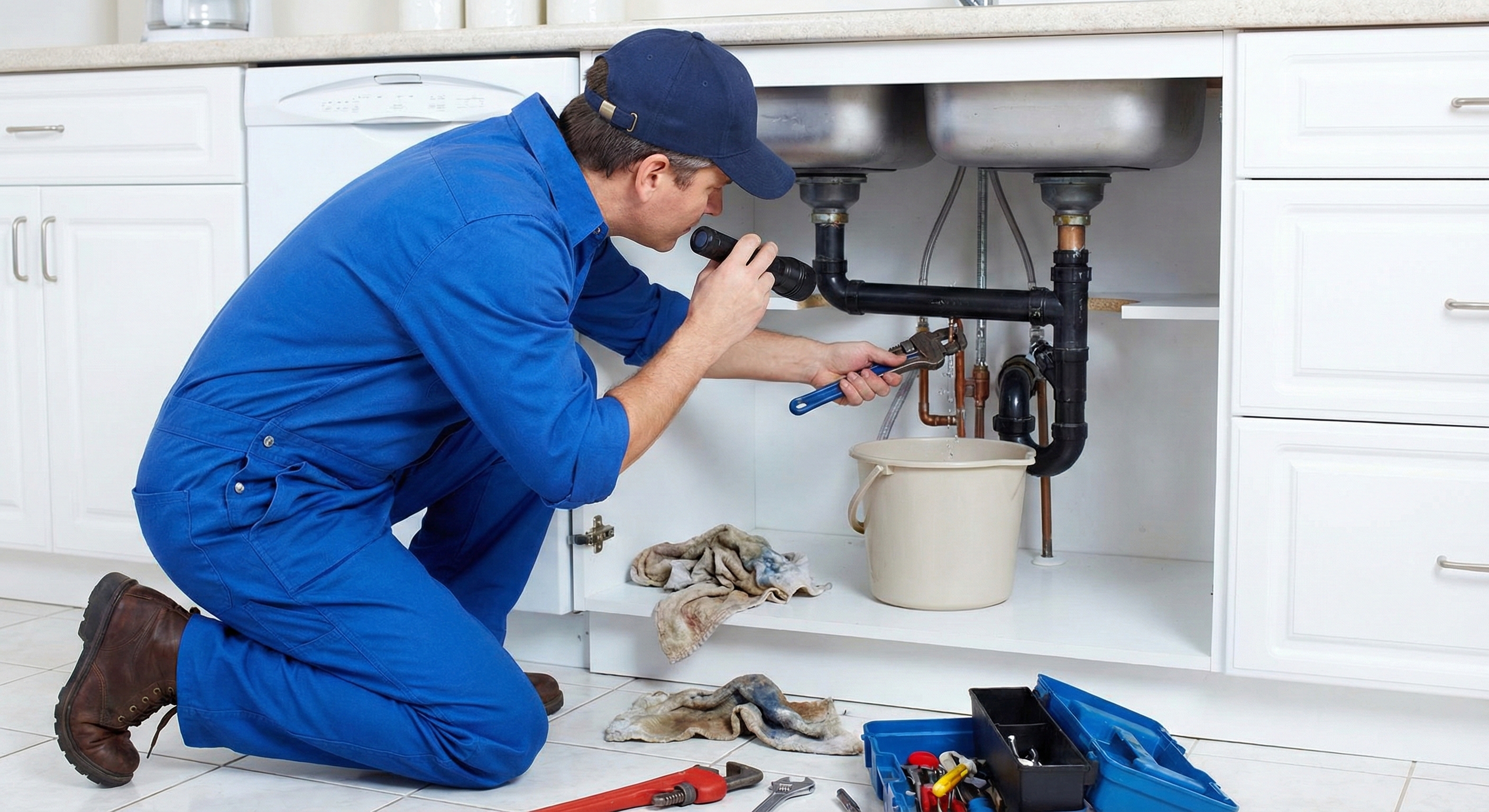
A slow leak under the kitchen sink can silently ruin cabinets and flooring. It can also cause hidden mold that smells like a stale or musty odor.
Check for:
- Wet cabinet bottoms
- Water stains on the back wall
- Damp cleaning supplies stored under the sink
- Loose connections on pipes
If you find wet areas, dry everything and consider leak detection if you’re not sure where the water is coming from.
Roof Leaks, Rain, and Mold Growth
People often think mold only comes from plumbing, but a roof leak after rain can soak ceilings and walls. If water runs behind insulation and drywall, it can create serious mold problems.
If you see:
- Ceiling stains
- Damp attic insulation
- Dripping during storms
Treat it like any other water emergency—stop the source, dry fast, and get an inspection if needed.
How Humidity and Condensation Fuel Mold
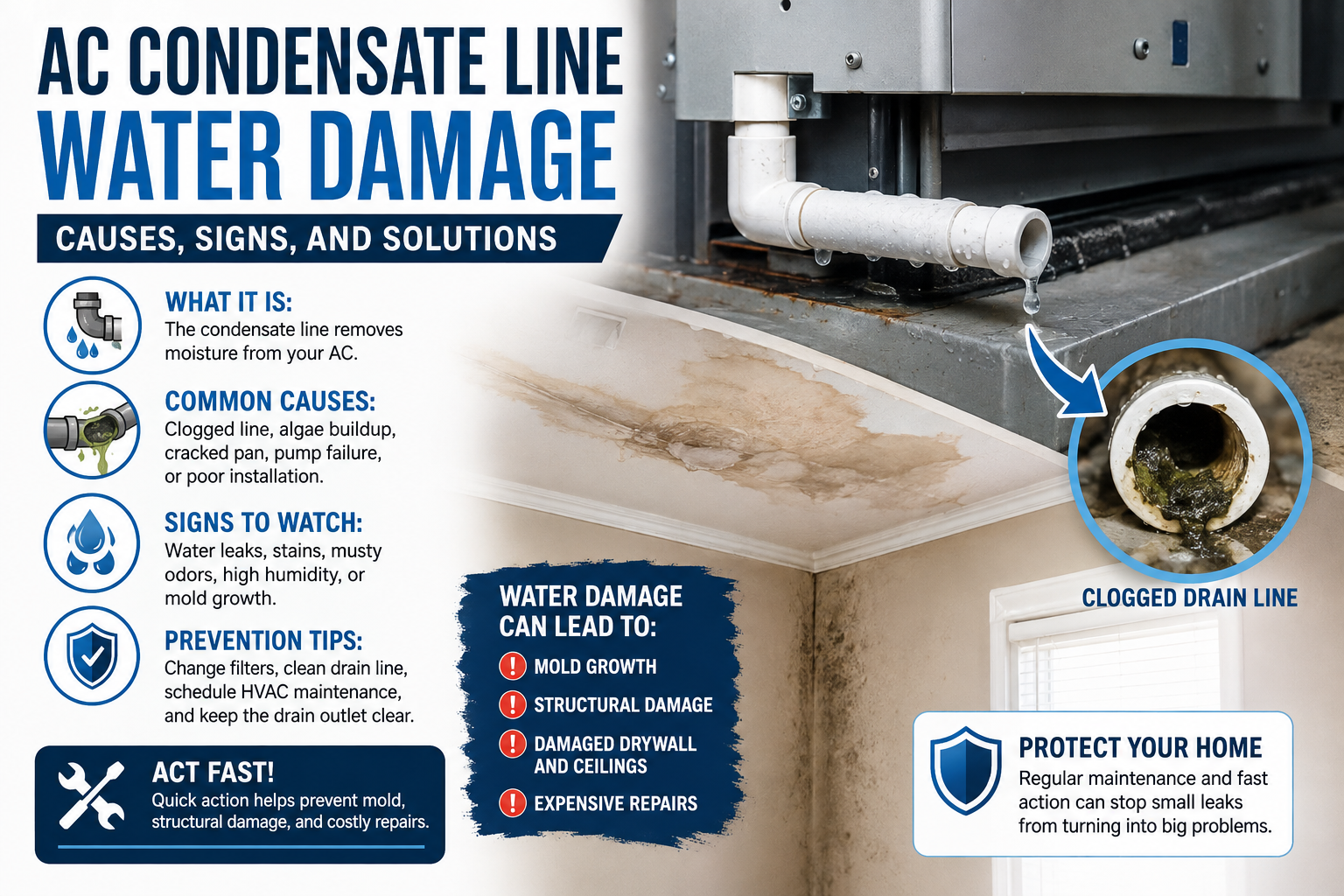
Even without an obvious leak, high humidity can lead to condensation on walls, pipes, and windows. That moisture can start mold in corners, closets, and bathrooms.
Places where condensation is common:
- Around windows
- On cold pipe surfaces
- In poorly ventilated rooms
- Behind furniture pushed against a wall
Humidity Targets for Mold Prevention
A good goal is keeping indoor humidity around 30%–50%. A dehumidifier, fans, and good airflow help a lot.
Leak Detection and Professional Inspection
Some leaks are hidden deep in walls or under floors. If you keep smelling a musty odor or see repeat water spots, you may need professional leak detection.
A professional inspection can help identify:
- Hidden wet materials
- Where mold may already be growing
- What should be removed vs. dried
- Whether repairs or remediation are needed
This is especially helpful after larger water events like a flood or major plumbing break.
Maintenance Tips That Prevent Plumbing Leaks and Mold
Preventing mold starts with preventing leaks. Here are simple maintenance habits that help protect your home:
Regular Plumbing Checks
- Look under sinks monthly
- Check supply lines for bulges or cracking
- Watch for slow drains (bad drainage can cause backups)
- Replace worn hoses and seals
Watch for Corrosion
Corrosion on pipes can lead to pinhole leaks. Look for discoloration, rust, or flaking. If you spot it, call a plumber.
Waterproofing in High-Risk Areas
Waterproofing can help in bathrooms, laundry rooms, and basements. Sealing grout, using water-resistant materials, and fixing cracks can reduce water absorption.
Improve Ventilation
Better ventilation reduces humidity and keeps surfaces dry. Upgrade bathroom fans, open windows when possible, and avoid trapping damp air in closets.
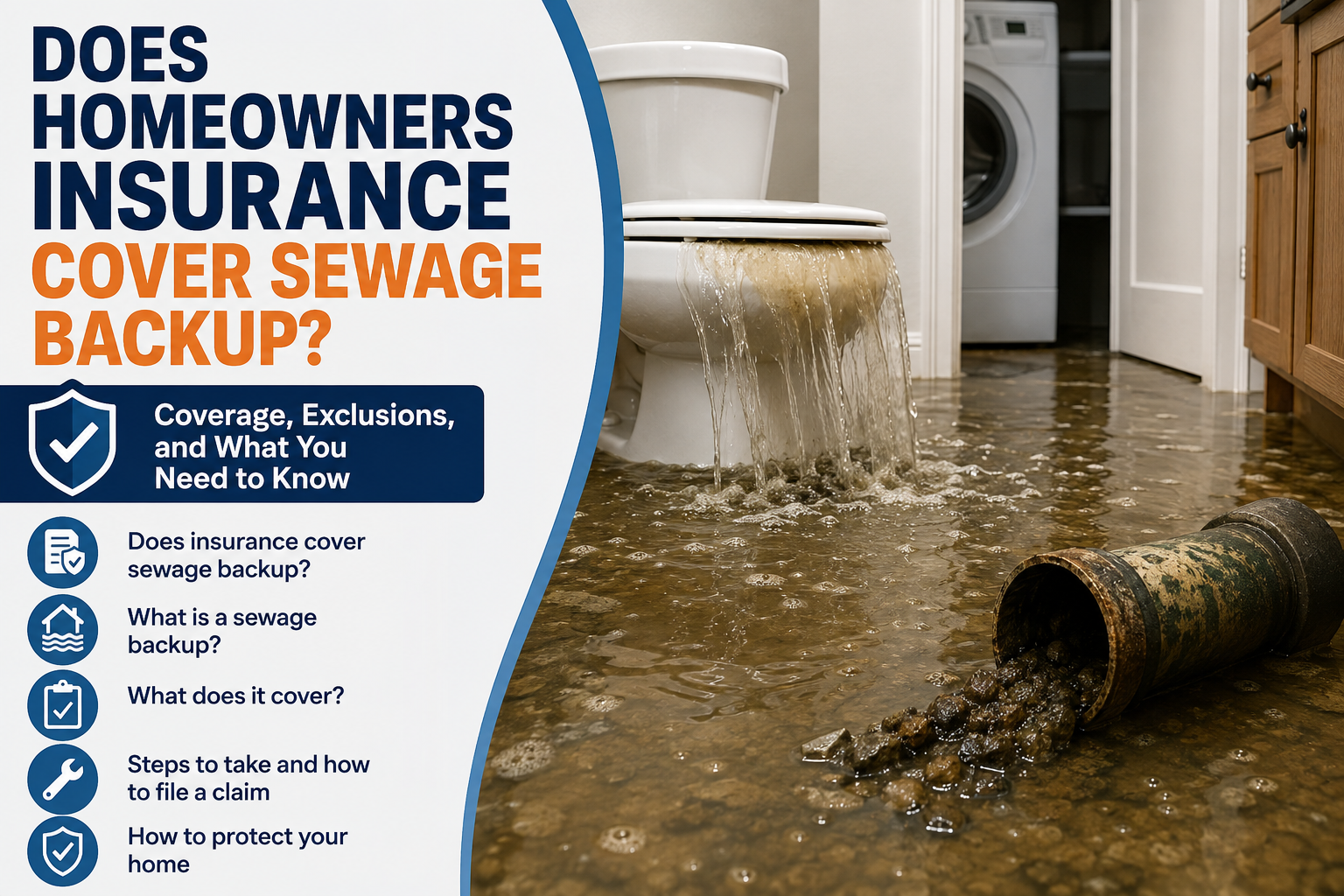
What About Insurance After Water Damage or Mold?
Many homeowners ask about insurance after water damage. In general, insurance coverage depends on the cause. Sudden events (like a pipe burst) may be handled differently than slow leaks that happened over time. Mold coverage also depends on the policy and the details of the loss.
If you have water damage:
- Take photos right away
- Save notes on what happened and when
- Keep receipts for emergency drying equipment
- Ask your adjuster what steps they need
Even if you’re unsure about coverage, quick drying and mold prevention still protects your home and reduces the overall damage.
When to Call Professional Services
Some leaks are too big or too hidden for DIY drying. If water spread into walls, flooring, insulation, or multiple rooms, it’s safer to call professional services.
Professional water and mold teams can bring:
- Moisture meters to find hidden wet areas
- Drying equipment and dehumidifiers
- Air movers for fast drying
- Containment tools if mold is present
If you also need repairs, plumbing services can fix the leak source so the problem doesn’t come back.
Mold Prevention Checklist After a Leak
Use this quick checklist after any leak or water event:
First Day
- Stop the leak and shut off water if needed
- Remove standing water
- Start fans and ventilation
- Run a dehumidifier
- Pull items away from walls to allow drying
Next 2–3 Days
- Check drywall and walls for soft spots
- Smell for musty odor
- Watch for stains growing
- Consider leak detection if moisture returns
- Schedule an inspection if you suspect mold
FAQs
How fast can mold grow after a plumbing leak?
Mold can start growing within 24–48 hours when materials stay wet. Fast drying and lowering humidity are key to mold prevention.
What is the best way to dry a wall after a leak?
Use airflow, ventilation, and a dehumidifier. If drywall is soaked or soft, it may need to be removed so hidden moisture doesn’t cause mold growth.
Can I prevent mold if the leak happened yesterday?
Yes—if you act quickly. Stop the leak, remove water, dry materials, and reduce humidity. A professional inspection can confirm if moisture is still trapped.
Why do I smell an odor but don’t see water?
A hidden leak or trapped moisture behind drywall can cause a musty odor. Leak detection and inspection can help find the source before mold damage spreads.
Will insurance cover mold from plumbing leaks?
It depends on your policy and whether the leak was sudden or long-term. Document the damage, take photos, and ask your insurance provider what’s covered.
Final Thoughts on Plumbing Leak Mold Prevention
Plumbing leak mold prevention is all about speed and moisture control. Fix the leak, dry everything fast, and keep humidity low with good ventilation and a dehumidifier. Watch high-risk areas like bathrooms, under sinks, and around windows where condensation forms. If you suspect hidden moisture or mold problems, professional inspection and services can protect your home, indoor air quality, and health.