Mold Inspection vs. Mold Testing: What’s the Difference?
Mold inspection vs mold testing can feel confusing at first. They sound the same, but they are not. A mold inspection is when a trained pro looks for mold growth, moisture, and water damage signs. Mold testing is when samples are collected to check what type of mold is present and how much is in the air or on surfaces. At Preferred Restoration, we help homeowners understand what they truly need, so they don’t waste time or money.
What is “mold inspection vs mold testing” in simple words?
A good way to remember it is:
- Mold inspection = “Find it and figure out why it’s there.”
- Mold testing = “Measure it and identify it.”
An inspection focuses on the source (like leaks, humidity, flooding, roof damage, plumbing problems, or poor ventilation). Testing focuses on data (like lab results and spore counts).
Both can be helpful, but you don’t always need both.
What does a mold inspection include?
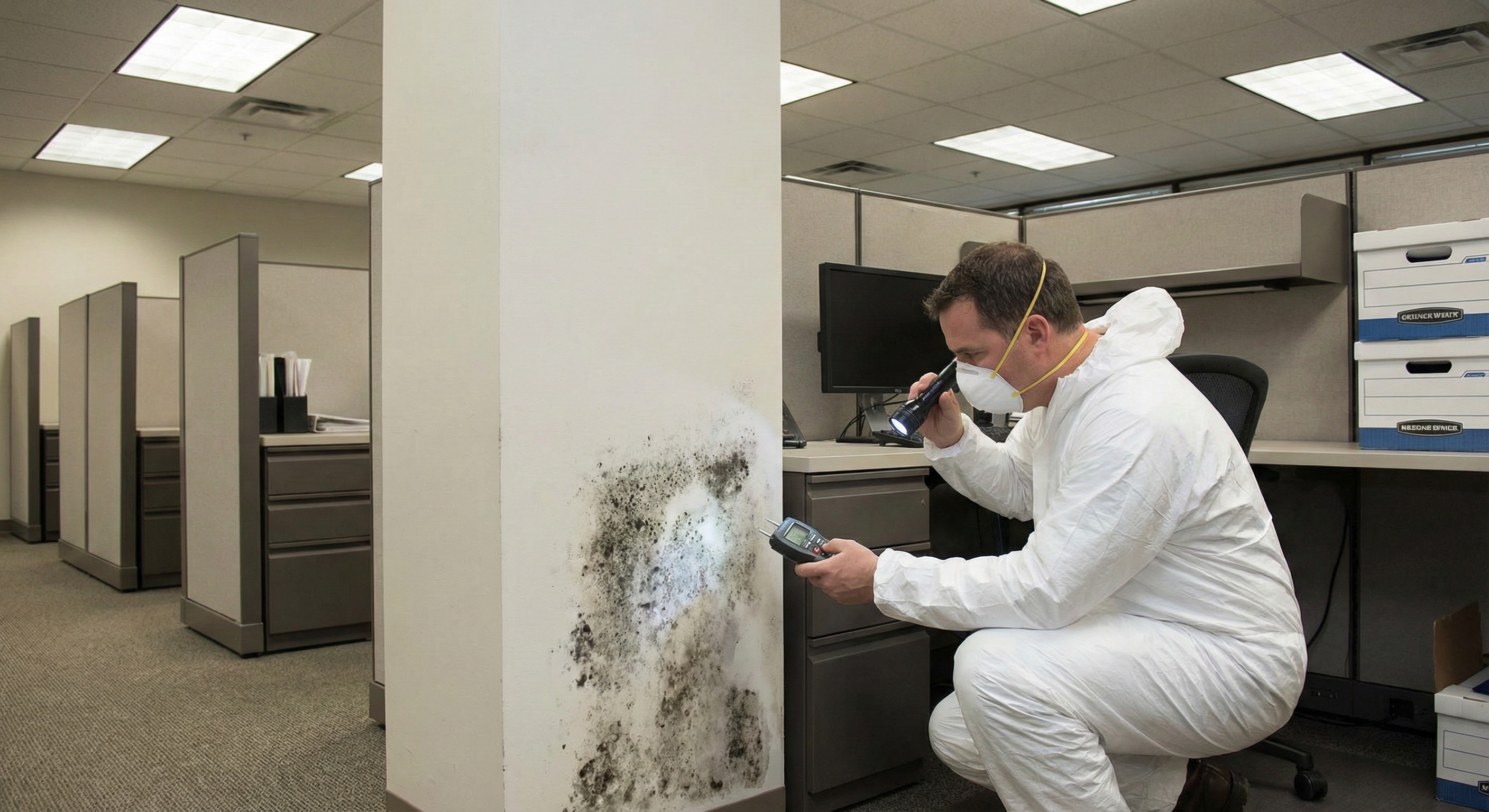
A mold inspection is a full check of your home or building to find:
- Visible mold growth (on drywall, wood, ceilings, under sinks)
- Musty odors (often a sign of hidden mold)
- Water intrusion (water getting in where it shouldn’t)
- Moisture problems (high humidity, wet materials, damp air)
- Past water damage (flooding, drainage issues, leaks)
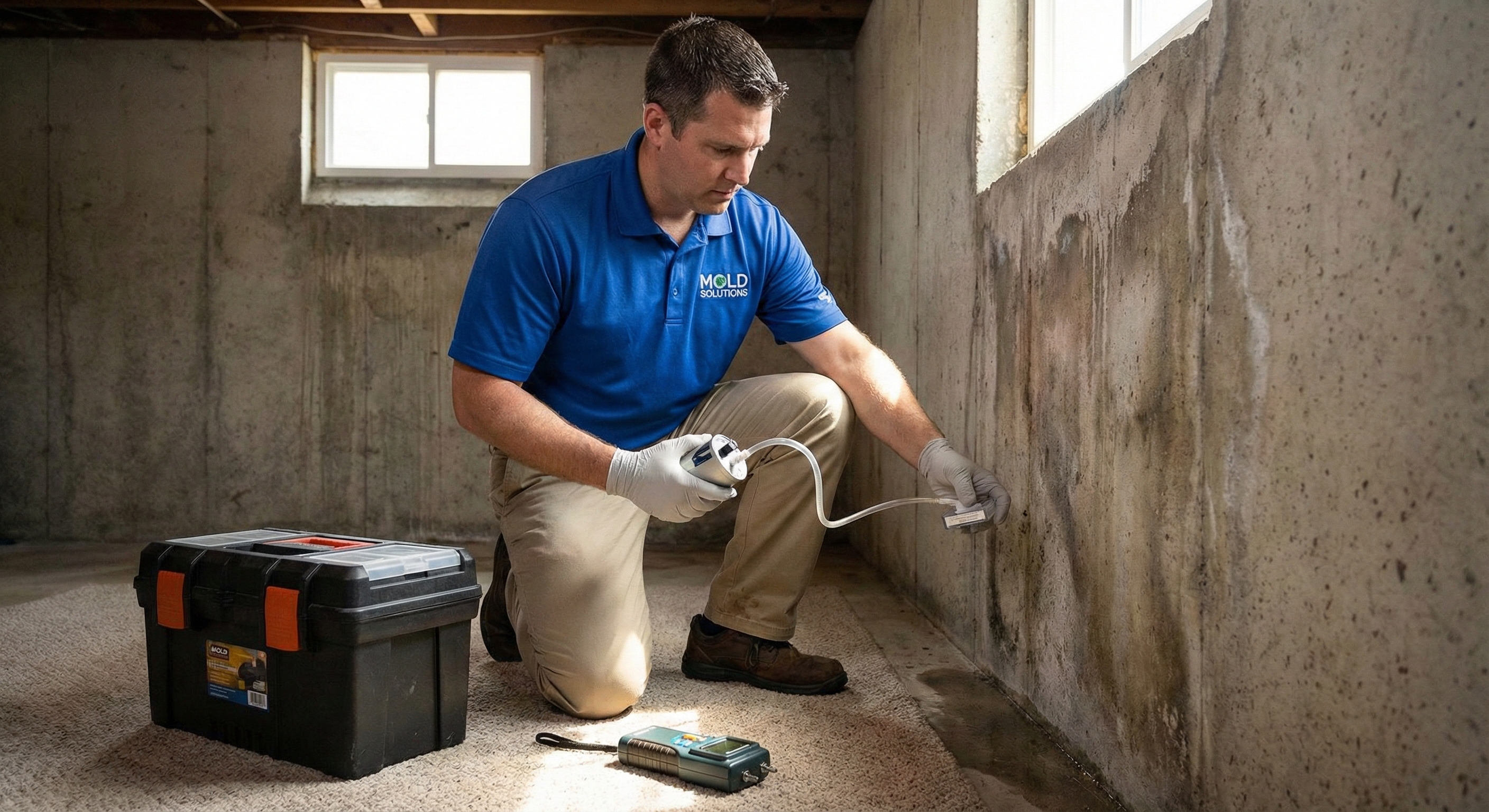
Inspectors may use tools like:
- Moisture meters (to find wet drywall or flooring)
- Thermal cameras (to spot hidden moisture behind walls)
- Flashlights and mirrors (to look in tight areas like crawl spaces)
- Humidity readings (to see if indoor air is too damp)
A strong mold inspection also includes a plan for what to do next, like drying, repairs, and steps to prevent mold from returning.
What does mold testing include?
Mold testing means collecting samples to learn more about mold levels and types. Common sample types include:
Air samples
Air testing measures mold spores floating in the air. This can help if:
- You smell mold but can’t see it
- People feel sick inside the home but better outside
- You want to compare indoor air to outdoor air
Surface samples
Surface sampling checks mold on a specific spot using:
- Swabs
- Tape lifts
- Bulk samples (a small piece of material)
Testing can confirm if something is mold and may identify the mold group. Many tests are sent to a lab for analysis.
Why mold inspection vs mold testing matters for homeowners
When you understand the difference, you can make smarter choices:
- If you need answers like “Where is the moisture coming from?” you likely need an inspection.
- If you need proof like “What type of mold is it?” you may need testing.
- If you need a plan like “How do I fix this safely?” you want an inspection from a professional restoration team.
For many homes, the biggest problem is not the mold itself—it’s the water that keeps feeding it.
When should you choose a mold inspection?
A mold inspection is usually the best first step when:
- You see staining on walls or ceilings
- There’s a musty smell in a room, closet, or basement
- You had a leak from plumbing, roof, or appliances
- You had flooding or drainage problems near the home
- Paint is bubbling or drywall feels soft
- You suspect mold in an attic, crawl space, or behind cabinets
An inspection helps locate the hazard, identify water sources, and reduce the chance of mold coming back.
When should you choose mold testing?
Mold testing can be helpful when:
- You cannot find mold, but symptoms or odors suggest it
- A real estate agent or home inspection flags possible mold
- A buyer or seller wants documentation for real estate
- You need evidence for an insurance claim (sometimes)
- You want baseline data before and after cleanup
- You suspect a hidden mold problem in HVAC or walls
Testing is not always needed when mold is clearly visible. If you can see mold growth, the focus should usually be on safe removal and fixing moisture issues.
Do you always need mold testing if you see mold?
Not always.
If mold is visible and there is a moisture problem, testing may not change the plan. Mold is mold—if it’s growing on materials, it must be removed and the area must be dried and repaired.
Testing can still be useful in certain cases, like:
- Large affected areas
- Repeat mold problems
- Hidden mold concerns
- Health concerns in the home
- Real estate paperwork needs
But in many situations, skipping testing and focusing on inspection + restoration is the most practical path.
Is mold inspection vs mold testing important for real estate and home inspection?
Yes, especially during buying or selling.
A general home inspection is not always a true mold inspection. A home inspector may note:
- water stains
- visible discoloration
- signs of moisture
But a mold-focused professional will go deeper with moisture mapping and a restoration mindset.
For real estate deals, people may want:
- a written report
- lab results
- documentation that cleanup was handled correctly
If you’re selling, it’s smart to address water damage and mold early. If you’re buying, it’s smart to ask questions and avoid guessing.
How much does mold inspection vs mold testing usually cost?
Prices can vary depending on home size, how many areas are checked, and how many samples are taken.
In general:
- Mold inspection costs often depend on the time and detail involved.
- Mold testing costs depend on the number of samples and lab analysis.
The most important thing is value: you want clear answers and a plan that prevents future mold.
At Preferred Restoration, we focus on finding the cause (moisture) and the solution (safe cleanup and repairs), not just collecting numbers.
What results do you get from an inspection compared to a test?
Mold inspection results usually include:
- Where mold is likely growing
- Where moisture is present
- What caused the moisture (leaks, roof issues, plumbing, humidity)
- What materials are affected (drywall, wood, insulation)
- Next steps for restoration and preventing water intrusion
Mold testing results usually include:
- Lab report identifying mold types or groups
- Spore counts (airborne mold levels)
- Comparison of indoor vs outdoor air samples
- Documentation for records, real estate, or insurance needs
Both can support a good plan, but inspection is typically the foundation.
Why moisture and water intrusion are the real problem
Mold needs moisture to survive. If the water source stays, mold often returns—even after cleaning.
Common moisture sources include:
- Plumbing leaks under sinks
- Slow leaks behind walls
- Roof leaks and damaged flashing
- Poor drainage near the foundation
- Basement dampness
- High humidity with poor airflow
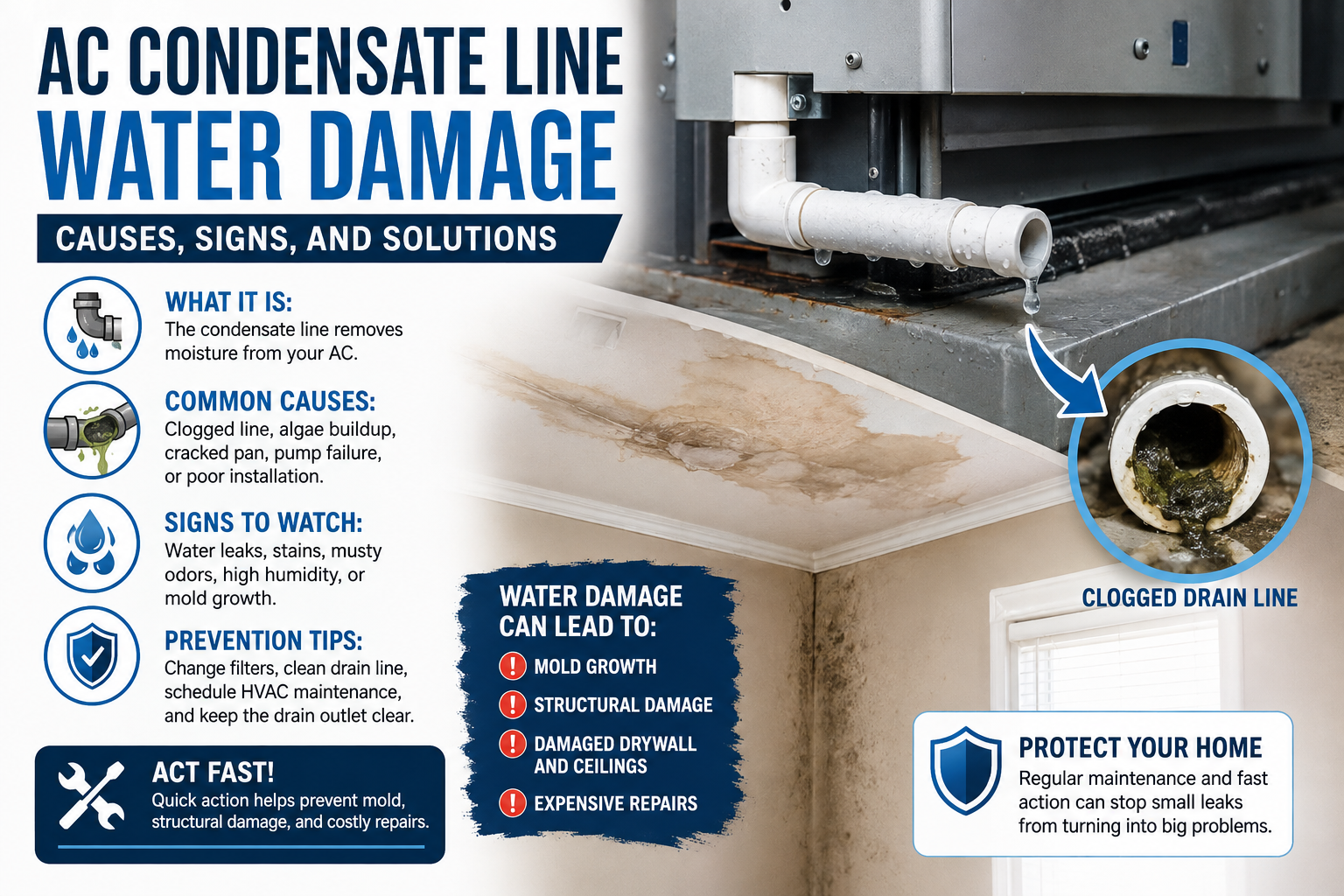
- HVAC issues or condensation
- Flood events without proper drying
Professional restoration focuses on:
- stopping the water
- drying the area
- removing damaged materials safely
- preventing future moisture problems
What happens if you ignore mold or delay action?
Delaying can lead to bigger damage, like:
- Soft or crumbling drywall
- Warped wood and flooring
- Stronger musty odors
- Larger mold spread behind walls
- Higher repair costs later
It can also cause stress during real estate transactions or insurance discussions. The sooner you act, the easier it is to control.
What should you do if you think you have mold in Orange County?
If you suspect mold, here are safe steps you can take right away:
Stop the moisture if you can
- Turn off water if there’s a plumbing leak
- Place towels or buckets to reduce water spread
Improve ventilation
- Open windows if outdoor air is dry
- Run bathroom fans
- Use a dehumidifier if you have one
Avoid disturbing the area
- Don’t scrub or sand moldy surfaces
- Don’t paint over stains without fixing moisture
- Don’t run fans that blow directly at mold (it can spread spores)
Call a professional restoration team
Preferred Restoration can help you understand whether you need an inspection, testing, or both—and what the next step should be.
How Preferred Restoration approaches mold inspection vs mold testing
We look at the whole problem, not just the mold spot. That means we focus on:
- Finding hidden moisture and water intrusion
- Understanding building materials and how mold spreads
- Recommending the right next step (inspection, testing, or immediate remediation)
- Helping prevent mold from coming back with repairs and moisture control
Our goal is simple: protect your home, lower risk, and restore it the right way.
FAQs
Is mold inspection vs mold testing the same thing?
No. Mold inspection finds mold and moisture sources. Mold testing collects samples to measure and identify mold. Many homes start with inspection first.
Do I need mold testing for an insurance claim?
Sometimes, but not always. Insurance decisions often focus on the cause of the water damage. A professional inspection and documentation may be more useful than testing alone.
Can a home inspection find mold?
A general home inspection may spot visible signs of mold or moisture, but it’s not always a full mold inspection. A mold-focused inspection is more detailed and moisture-based.
What if I smell mold but can’t find it?
This is a common reason to consider mold testing and a detailed inspection. Hidden mold can exist behind drywall, under flooring, in attics, basements, or HVAC areas.
Which is better: mold inspection or mold testing?
For most homeowners, a mold inspection is the best first step because it finds the moisture source and guides the fix. Testing can help when mold is hidden, documentation is needed, or data is required for real estate or records.